


Build Your Future with a Globally Connected Education in Ireland
Ireland is an English-speaking European study destination offering internationally recognised qualifications, a strong higher education system and opportunities to gain experience in a modern, technology-driven economy.
Ireland’s higher education system includes universities, technological universities and private higher education institutions. Students can choose from undergraduate degrees, postgraduate programmes, doctoral studies, diplomas and specialised programmes across a wide range of academic disciplines.
For international students, Ireland combines an English-speaking academic environment with European exposure and a growing international student community.
Why Study in Ireland?
Ireland offers an education system with universities, technological universities and private colleges, with institutions setting programme-specific entry requirements. English is the main language of instruction for higher education.
Key Advantages
English-speaking education environment
Students can study in an English-speaking European country, making academic and everyday communication easier for international students.
Internationally recognised qualifications
Irish universities and higher education institutions offer qualifications that are recognised internationally.
Wide range of programmes
Students can choose programmes across business, technology, engineering, science, healthcare, computing, finance, humanities, design and other disciplines.
Strong technology and business ecosystem
Ireland has a significant presence of international companies and technology-focused businesses, providing an environment connected to global industries.
European location
Ireland provides an opportunity to experience European culture while studying in an English-speaking environment.
Work opportunities for eligible students
Students holding eligible Stamp 2 permission can generally work up to 20 hours per week during term time and up to 40 hours per week during specified holiday periods.
Post-study opportunities
Eligible graduates may qualify for the Third Level Graduate Programme, allowing them to remain in Ireland for a defined period to seek graduate-level employment.
Life in Ireland
Ireland offers a combination of modern urban life, historic towns, natural landscapes and a strong student culture. International students can experience:
- University clubs and societies
- Sports and recreational activities
- Cultural festivals
- Music and entertainment
- Historic sites
- Coastal landscapes
- Countryside and national parks
- Cafés and restaurants
- International communities
- Student events
Student Lifestyle
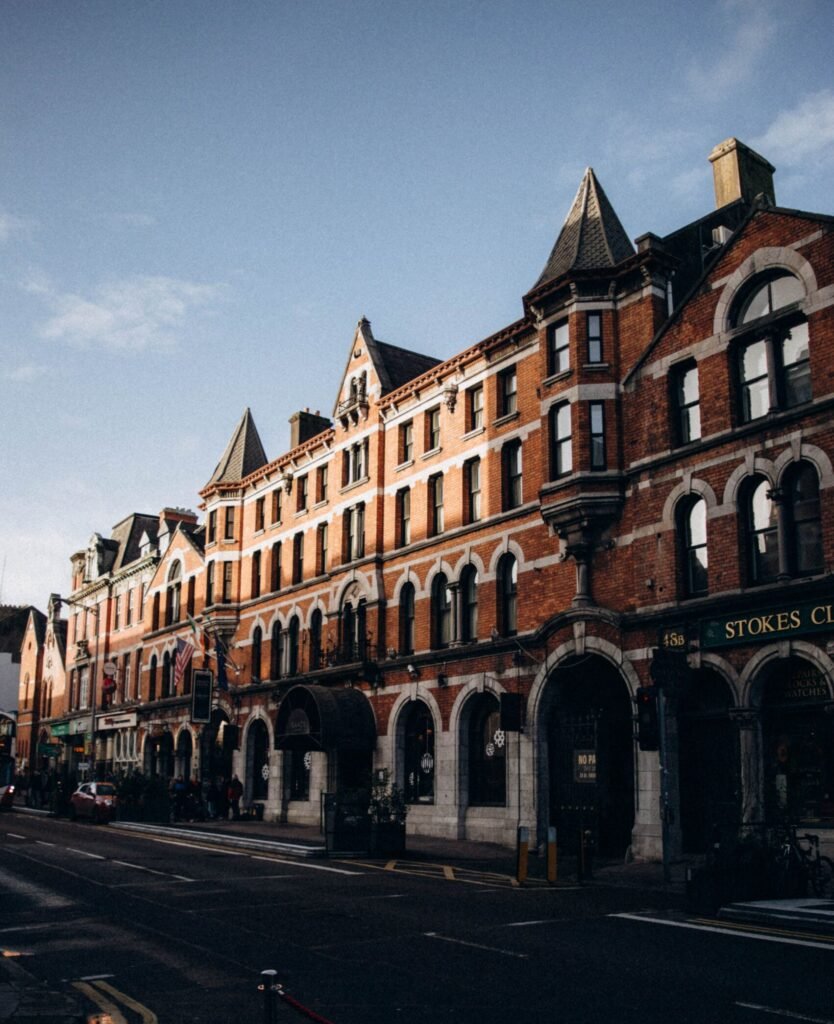
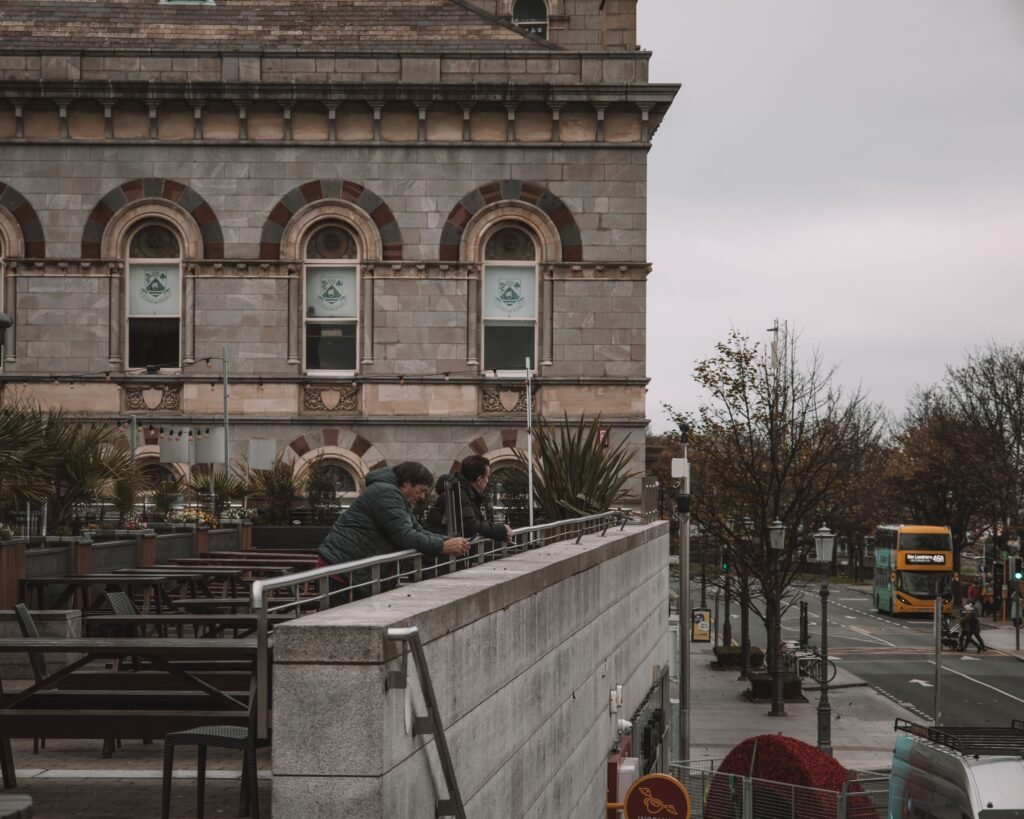
Dublin offers the largest metropolitan environment, while cities such as Cork, Galway, Limerick and Waterford provide alternative student experiences. Students should consider accommodation availability and cost carefully when selecting their study location, as housing can be competitive, particularly in larger cities.
Culture & Language
Irish Culture
Ireland is known for its:
- Literature
- Music
- Traditional culture
- Festivals
- Historic landmarks
- Sports
- Friendly social environment
- Coastal and countryside landscapes
Students can experience both traditional Irish culture and a modern, multicultural society.
Language
English is the main language used in higher education and everyday communication. Irish, or Gaeilge, is also an official language and forms an important part of Irish cultural identity.
International students generally do not need to learn Irish to study in Ireland, although learning a few Irish words and phrases can be an enjoyable way to engage with local culture.
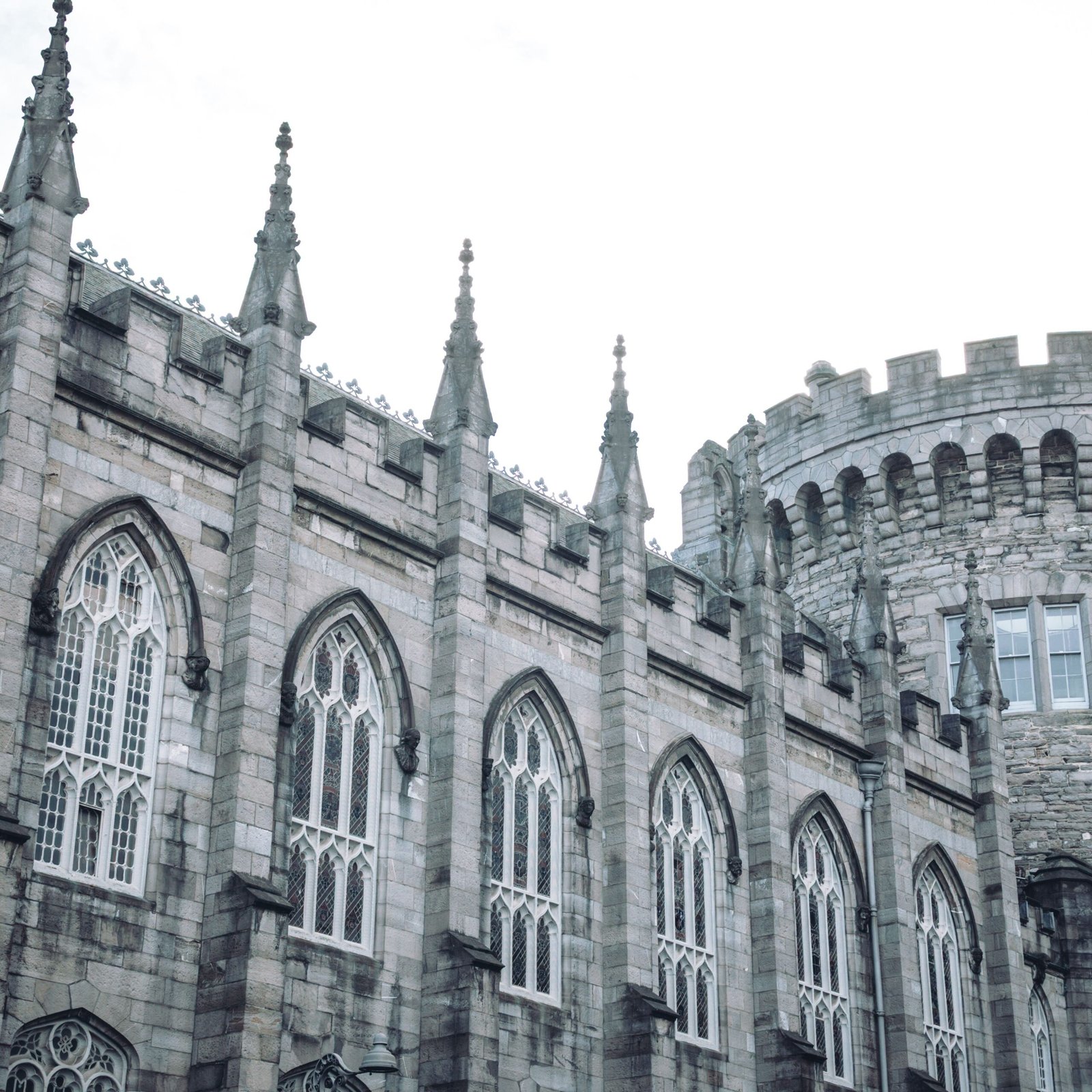
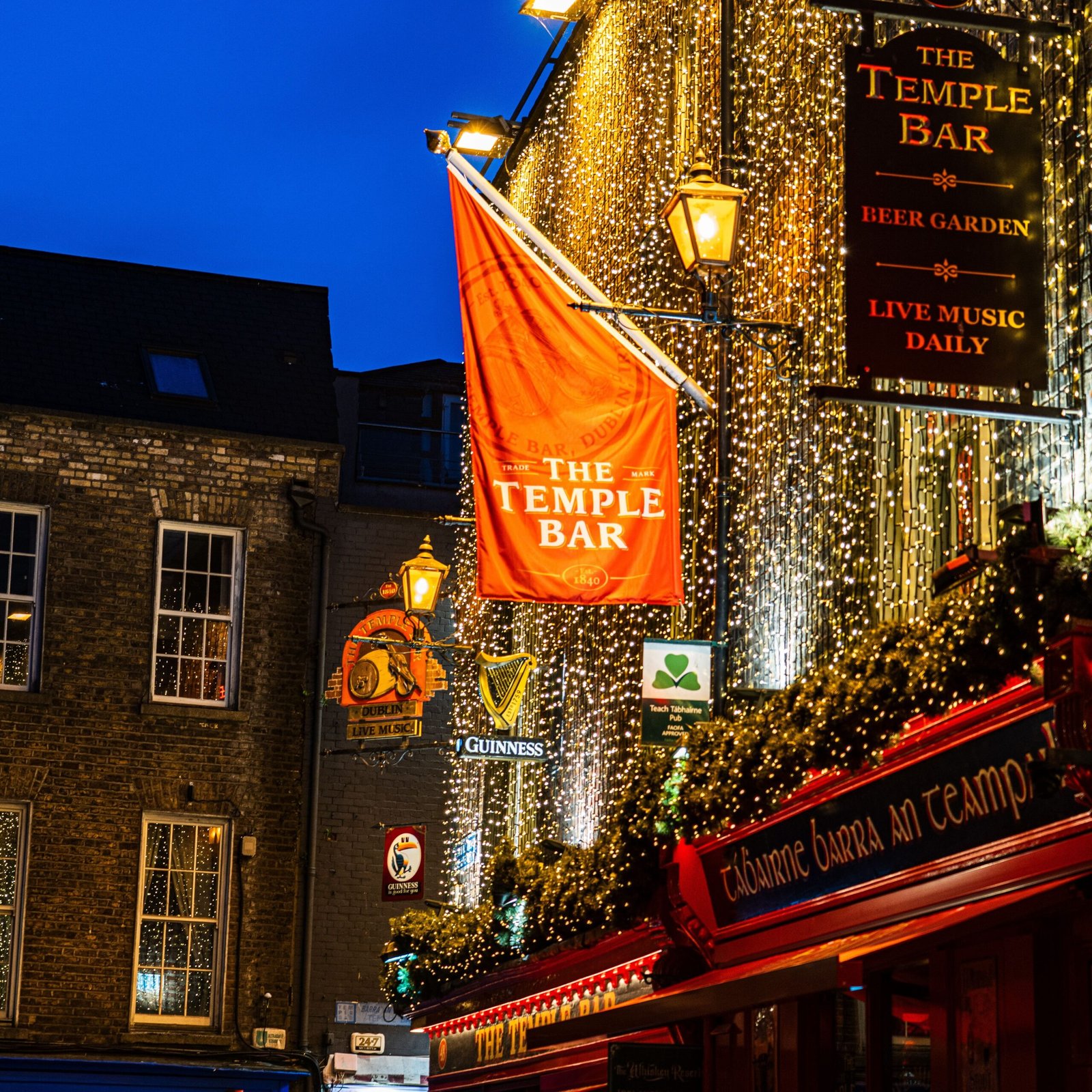
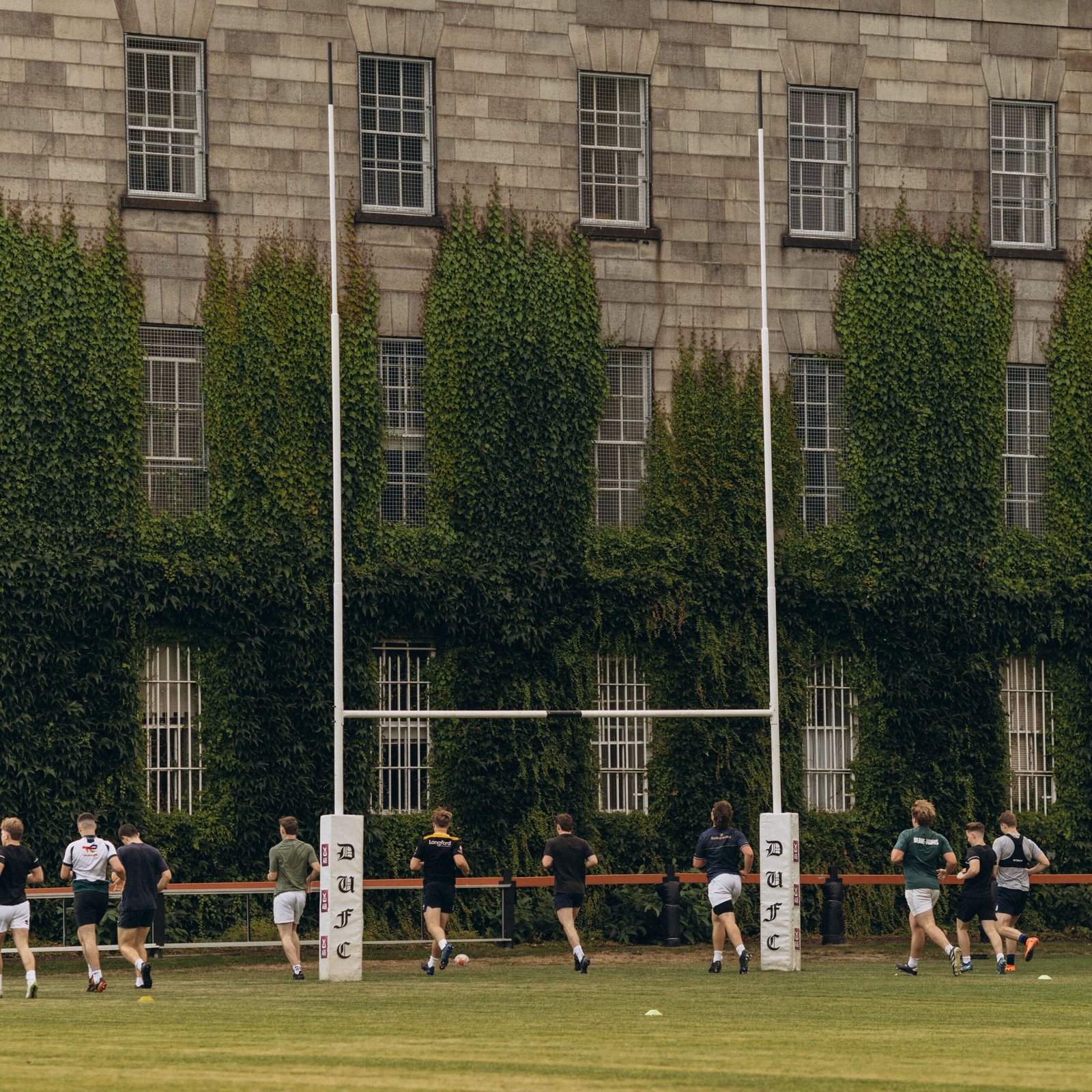
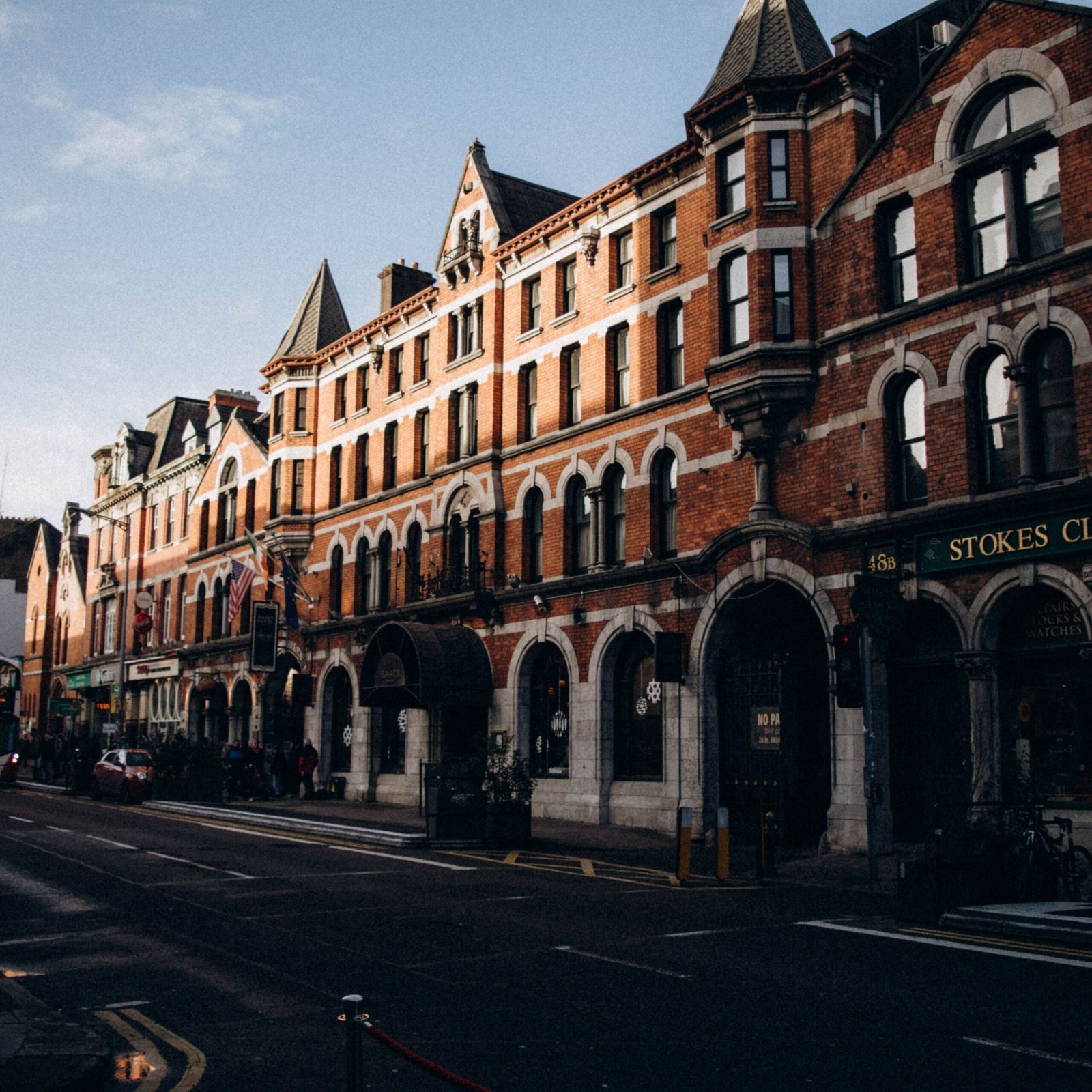
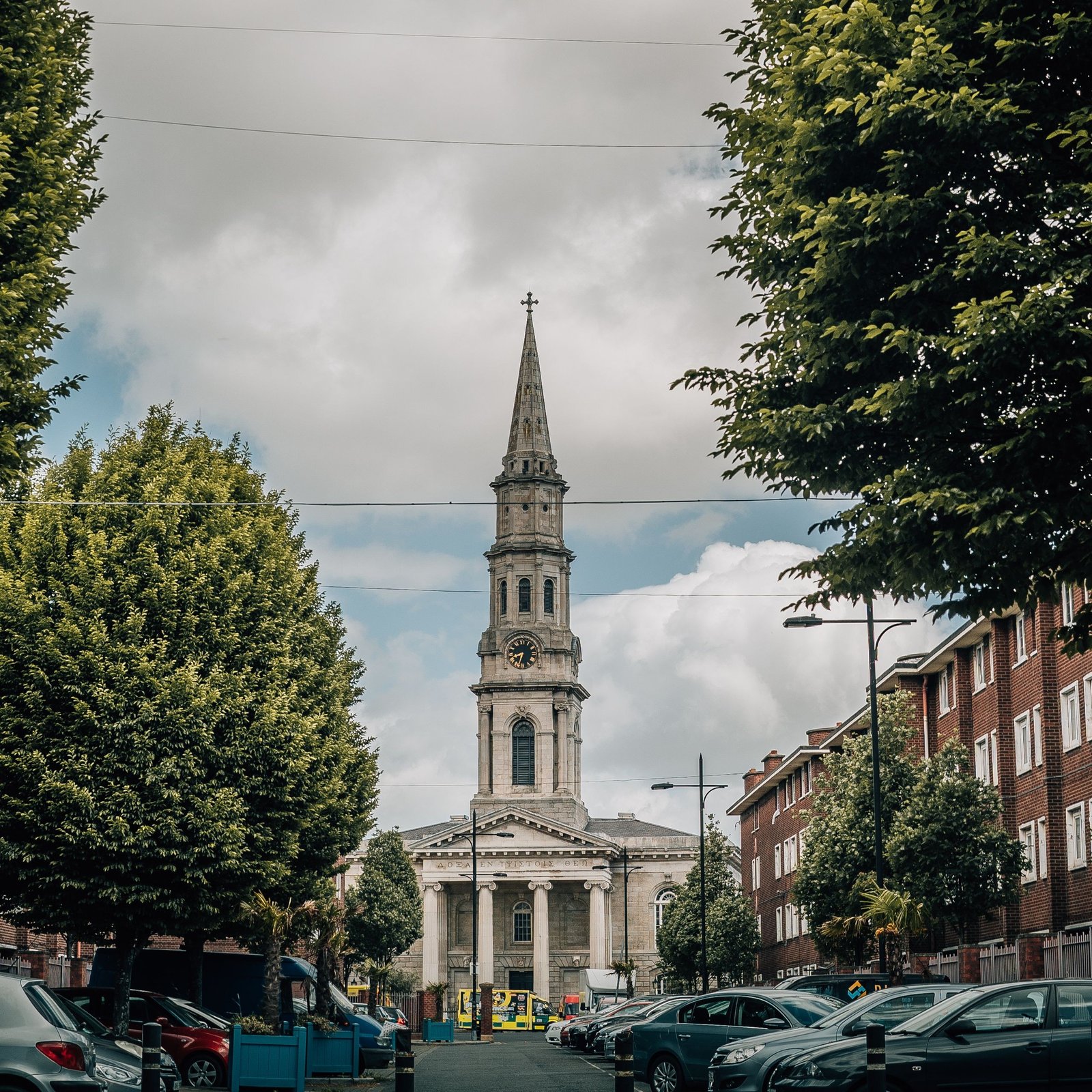
Famous Universities in Ireland
Ireland’s higher education system includes:
- Universities
- Technological universities
- Private colleges
- Specialist institutions
Each institution determines its own admission requirements.
Well-Known Institutions
Students may explore institutions such as:
- Trinity College Dublin
- University College Dublin
- Dublin City University
- University College Cork
- University of Galway
- University of Limerick
- Maynooth University
- Technological University Dublin
- Munster Technological University
- South East Technological University
- Atlantic Technological University
- Royal College of Surgeons in Ireland
- National College of Ireland
- Dublin Business School
- Griffith College
Education Ireland’s current institutional listings include universities, technological universities and private institutions across Ireland.
Study Options in Ireland
Bachelor’s Degree
Undergraduate degrees in Ireland commonly take around three to four years, depending on the programme and institution. Popular areas include:
- Business
- Computing
- Engineering
- Science
- Healthcare
- Arts
- Social Sciences
- Hospitality
- Design
Master’s Degree
Ireland offers a wide selection of postgraduate programmes, including:
- MSc
- MA
- MEng
- MBA
- Master of Finance
- Master of Business
- Specialised Master’s programmes
Many Master’s programmes are designed to be completed within one year, although duration varies by programme.
PhD / Doctoral Studies
Research-based doctoral programmes are available across areas including:
- Science
- Engineering
- Technology
- Business
- Medicine
- Social sciences
- Humanities
Higher Diplomas & Certificates
Students can also explore:
- Graduate diplomas
- Higher diplomas
- Professional qualifications
- Certificates
- Foundation programmes
- Pathway programmes
Ireland’s eligible study framework includes higher education programmes from NFQ Level 6 to Level 10, as well as foundation programmes and eligible English-language programmes.
Popular Courses to Study in Ireland
Business & Management
- Business Management
- International Business
- Finance
- Accounting
- Marketing
- Human Resource Management
- Supply Chain Management
- International Management
- Entrepreneurship
Computer Science & IT
- Computer Science
- Software Engineering
- Data Science
- Artificial Intelligence
- Cybersecurity
- Cloud Computing
- Information Systems
- Business Analytics
Engineering
- Mechanical Engineering
- Electrical Engineering
- Electronic Engineering
- Civil Engineering
- Biomedical Engineering
- Environmental Engineering
- Manufacturing Engineering
Science & Technology
- Biotechnology
- Pharmaceutical Science
- Chemistry
- Physics
- Life Sciences
- Environmental Science
- Applied Science
Healthcare & Life Sciences
- Public Health
- Healthcare Management
- Biomedical Science
- Nursing
- Pharmacy
- Health Sciences
- Clinical Research
Finance & Accounting
- Accounting
- Finance
- Financial Technology
- Investment Management
- Risk Management
- Banking
Arts & Humanities
- Psychology
- International Relations
- Sociology
- Literature
- Media
- Communications
- History
- Political Science
Hospitality & Tourism
- Hospitality Management
- Tourism Management
- Hotel Management
- Event Management
- Culinary Studies
Tuition Fees in Ireland
Tuition fees vary according to the institution, programme and study level.
Education Ireland’s published 2025/26 indicative ranges for non-EU students are:
| Study Area | Undergraduate Tuition | Postgraduate Tuition |
|---|---|---|
| Business | €10,300–€29,000 | €14,000–€40,000 |
| Engineering | €14,500–€28,500 | €15,000–€30,000 |
| Science & Technology | €14,500–€28,500 | €15,000–€31,000 |
| Arts & Humanities | €13,500–€28,200 | €12,000–€23,000 |
| Medicine & Health Sciences | €50,135–€62,500 | €11,000–€30,000 |
These are indicative published ranges and actual fees can differ between institutions and programmes. Students should verify the exact fee with the university before applying.
Additional Costs
Students should also budget for:
- Registration fees
- Accommodation
- Food
- Transport
- Health insurance
- Study materials
- Visa costs
- Personal expenses
- Travel
Scholarships & Financial Support
International students can explore scholarships offered by:
- Irish universities
- Government-supported initiatives
- Individual faculties
- Private organisations
- International organisations
Scholarship availability, eligibility and deadlines vary by institution and programme.
Government of Ireland International Education Scholarship
The Government of Ireland International Education Scholarship is one of the major scholarship schemes for international students and is aimed at high-calibre students applying for eligible Master’s or PhD study.
Students should check the current annual call for applications, eligible institutions and deadlines before applying.
University Scholarships
Many Irish universities also provide:
- Merit scholarships
- Academic excellence awards
- International student scholarships
- Faculty-specific scholarships
- Tuition fee reductions
Scholarships are competitive and are not guaranteed with admission.
Accommodation in Ireland
Accommodation is an important part of planning your studies in Ireland.
On-Campus Accommodation
Many universities offer student residences, usually consisting of shared apartments with individual bedrooms and shared kitchen, living and bathroom facilities. Availability can be limited and demand can be high.
Private Student Residences
Purpose-built student accommodation may offer:
- Furnished rooms
- Shared kitchens
- Study areas
- Internet
- Laundry facilities
- Common areas
Private Rental
Students may rent:
- Apartments
- Studios
- Shared houses
- Shared apartments
Host Family
Living with a host family can provide a supportive environment, particularly for students who are new to Ireland.
Important Accommodation Advice
Students should:
- Start searching early
- Check the distance from campus
- Compare rent and utility costs
- Verify the landlord/property before paying
- Understand the tenancy agreement
- Budget for deposits
Education Ireland specifically recommends starting accommodation planning early because student housing can be in high demand.
Cost of Living in Ireland
Living costs depend on:
- City
- Accommodation
- Lifestyle
- Transportation
- Food
- Personal spending
Dublin is generally more expensive than many other Irish cities.
Main Monthly Expenses
- Accommodation
- Food and groceries
- Public transport
- Mobile phone
- Internet
- Utilities
- Study materials
- Personal expenses
- Entertainment
Students should prepare a realistic budget rather than relying only on the minimum amount required for immigration purposes.
Local Transport
Ireland provides several public transport options.
Dublin
Students can use:
- Dublin Bus
- Luas
- DART
- Commuter rail
- Cycling
- Walking
Other Cities
Public transport options include:
- Bus services
- Regional rail
- Cycling
- Walking
- Local transport networks
Students may also qualify for student or young-adult travel discounts depending on the applicable scheme and eligibility.
Food Options for Indian Students
Ireland’s larger cities have international communities and a growing range of Indian restaurants and grocery stores.
Indian Food
Students can find:
- Indian restaurants
- Vegetarian restaurants
- Asian supermarkets
- Indian grocery stores
- International supermarkets
Vegetarian & Vegan Options
Vegetarian and vegan options are available in universities, restaurants and supermarkets.
Students who prefer to cook can purchase ingredients from supermarkets and specialist international stores.
Self-Catering
Shared accommodation with a kitchen can help students prepare familiar meals while managing food expenses.
Admission Requirements
Admission requirements vary by university, programme and academic level.
Bachelor’s Applicants
May generally need:
- Higher secondary qualification
- Academic transcripts
- English-language proficiency
- Passport
- Personal statement or motivation letter where required
- Programme-specific prerequisites
Master’s Applicants
May generally need:
- Recognised Bachelor’s degree
- Academic transcripts
- CV
- Statement of Purpose
- English-language test
- Letters of recommendation where required
- Relevant work experience for selected programmes
PhD Applicants
May require:
- Relevant Master’s degree
- Research proposal
- Academic transcripts
- CV
- Research experience
- Potential supervisor
- References
- English-language proficiency
Each institution sets its own admission requirements.
English Language Requirements
Because English is the primary language of higher education in Ireland, international students may need to demonstrate English proficiency.
Depending on the institution and programme, accepted tests may include:
- IELTS
- TOEFL
- PTE Academic
- Cambridge English
- Other recognised qualifications
The required score depends on:
- University
- Programme
- Degree level
- Academic background
Some programmes may have higher requirements, particularly in healthcare, education or other regulated fields.
How to Apply to Irish Universities
Ireland’s application process depends on the institution and programme.
For many international applicants, universities and colleges accept applications directly through their official websites.
Step 1 – Profile Assessment
Review:
- Academic qualifications
- English-language score
- Work experience
- Budget
- Career objectives
Step 2 – Select Course
Shortlist programmes based on your academic and career plans.
Step 3 – Shortlist Institutions
Compare:
- University
- Course structure
- Tuition fees
- Location
- Entry requirements
- Scholarships
- Career opportunities
Step 4 – Prepare Documents
Prepare academic, identity, financial and language documents.
Step 5 – Submit Application
Apply through the institution’s official application route or the relevant platform.
Step 6 – Receive Offer
You may receive:
- Conditional offer
- Unconditional offer
- Request for additional documents
Step 7 – Accept Offer
Complete the institution’s acceptance requirements and pay the required deposit or fees where applicable.
Step 8 – Prepare for Visa
After securing the required admission documentation, prepare the Irish long-stay study visa application if applicable.
Documents Required
Depending on the programme, students may need:
- Valid passport
- Academic certificates
- Academic transcripts
- English-language test result
- CV
- Statement of Purpose
- Letters of Recommendation
- Work experience letters
- Portfolio where applicable
- Passport-size photographs
- Admission/offer letter
- Fee payment evidence
- Financial documents
- Accommodation details
- Health insurance
- Visa application documents
Additional documents may be requested by the university or immigration authorities.
Ireland Student Visa
Students from countries that require an Irish visa and who intend to study in Ireland for more than 90 days generally need a Long Stay ‘D’ Study Visa. Students should first secure admission to an eligible programme and then complete the appropriate visa process.
For study programmes longer than 90 days, the selected programme must meet Ireland’s applicable eligibility requirements. Current Irish immigration guidance refers students to the eligible-programme framework and TrustEd Ireland providers.
Ireland Student Visa Process
Step 1 – Receive Admission
Obtain an official letter of acceptance from an eligible Irish institution.
Step 2 – Confirm Fee Payment
Irish immigration guidance states that where course fees are less than €6,000, the fees must be paid in full before applying for the visa.
Where fees are more than €6,000, at least €6,000 must generally be paid before the visa application, unless the institution requires a different payment arrangement.
Step 3 – Prepare Financial Evidence
Demonstrate sufficient funds to support your stay in Ireland.
Step 4 – Complete Online Visa Application
Complete the relevant application through Ireland’s official visa application system.
Step 5 – Submit Documents
Submit the required supporting documents according to the instructions generated for your application.
Step 6 – Visa Decision
The Irish immigration authorities assess the application and issue a decision.
Step 7 – Travel to Ireland
After receiving the visa, arrange travel and prepare for arrival.
Step 8 – Register Immigration Permission
Students staying in Ireland for more than 90 days must complete the applicable immigration registration after arrival.
Student Visa Financial Requirements
For visa-required students undertaking a course of more than eight months, Ireland currently requires evidence of immediate access to at least €10,000 for one academic year.
Students must also demonstrate access to at least €10,000 for each subsequent year, in addition to tuition fees.
For courses resulting in a stay of eight months or less, the requirement is generally:
€833 per month, or €6,665 in total, whichever is lower.
Financial Evidence May Include
- Bank statements
- Sponsor financial documents
- Education loan documentation
- Scholarship evidence
- Other permitted financial evidence
The Irish authorities require documentary evidence of finances, and bank statements generally need to show transaction history.
Important
The €10,000 immigration financial requirement should not be treated as the complete cost of studying in Ireland. Students must separately budget for tuition, accommodation, travel and other expenses.
Ireland Student Visa Fee
The standard Irish visa fees are currently:
- €60 – Single entry
- €100 – Multiple entry
- €25 – Transit visa
Additional service or consular charges may apply depending on where the application is submitted.
Work Opportunities During Study
Eligible non-EEA students holding Stamp 2 permission can generally work:
During Term Time: Up to 20 hours per week
During Specified Holiday Periods: Up to 40 hours per week
The specified periods include:
- June
- July
- August
- September
- 15 December to 15 January
These work rights are subject to the conditions of the student’s immigration permission.
Potential Student Jobs
Depending on availability, skills and eligibility, students may find work in:
- Retail
- Hospitality
- Restaurants
- Customer service
- Administration
- Campus roles
- Tutoring
- Other part-time positions
Students should not rely on part-time employment as their primary means of funding their studies because immigration rules require them to demonstrate sufficient finances independently.
Post-Study Work Opportunities
Ireland’s Third Level Graduate Programme provides an opportunity for eligible non-EEA graduates to remain in Ireland after completing an eligible Irish qualification and seek graduate-level employment.
Level 8 Graduates
Graduates with an eligible NFQ Level 8 qualification may receive up to: 12 months on Stamp 1G subject to the programme’s conditions.
Level 9 or Above
Graduates with an eligible NFQ Level 9 or higher qualification may receive up to: 24 months generally in two 12-month periods, subject to the relevant conditions.
What Can Graduates Do?
The graduate permission is intended to allow eligible graduates to:
- Seek graduate-level employment
- Apply for an employment permit
- Explore suitable career opportunities
- Transition to an appropriate employment-based immigration status
Stamp 1G permits full-time employment in accordance with employment law, but graduates cannot operate a business or be self-employed under this permission.
From Study to Employment
A typical pathway may look like:
Study in Ireland → Graduate Permission → Graduate-Level Employment → Employment Permit → Longer-Term Residence
The exact route depends on the graduate’s qualification, occupation, salary, employer and immigration status.
A graduate should secure an appropriate employment permit or other qualifying immigration permission if they wish to remain in Ireland after their graduate permission expires.
Permanent Residence & Long-Term Settlement
Studying in Ireland does not automatically lead to permanent residence or citizenship.
Students who wish to remain in Ireland long term must qualify under the relevant immigration route.
Depending on the individual’s circumstances, this may involve:
- Employment permit
- Critical Skills Employment Permit
- General Employment Permit
- Other qualifying residence permissions
- Long-term residence routes where applicable
Eligibility depends on the individual’s employment, residence history and the immigration rules in force at the time.
Intakes in Ireland
September Intake
The September intake is the primary intake for most Irish universities and higher education institutions.
It generally provides the widest range of:
- Courses
- Universities
- Scholarships
- Student accommodation
- Programme options
January Intake
Some universities and colleges offer a January intake, particularly for selected postgraduate and specialised programmes.
However, January availability is much more limited than September.
Students should check the exact intake available for their chosen course.
Recommended Application Timeline
For a September intake, students should ideally begin planning around 9–12 months in advance.
9–12 Months Before
- Assess academic profile
- Choose study field
- Research universities
- Compare tuition fees
- Check English-language requirements
- Plan finances
7–10 Months Before
- Take IELTS/PTE/TOEFL if required
- Prepare CV
- Prepare SOP
- Arrange recommendation letters
- Collect academic documents
6–9 Months Before
- Submit university applications
- Apply for scholarships where applicable
- Track application status
4–6 Months Before
- Receive admission decision
- Accept offer
- Pay required deposit/fees
- Arrange financial documentation
- Start accommodation planning
2–4 Months Before
- Prepare visa application
- Arrange health insurance
- Prepare financial evidence
- Organise accommodation
- Complete pre-departure planning
Before Departure
- Book flights
- Arrange airport transfer
- Prepare essential documents
- Organise finances
- Prepare for arrival in Ireland
Why Choose Metier International Academy?
At Metier International Academy, we can support students throughout their Ireland study-abroad journey.
Our Support Can Include
Profile Assessment
Evaluate your academic background, English proficiency, budget and career goals.
Course Selection
Explore suitable Bachelor’s, Master’s and specialised programmes.
University Shortlisting
Compare institutions based on course, location, tuition and entry requirements.
Application Assistance
Support with application preparation and submission.
SOP & Documentation Guidance
Guidance with motivation letters, CVs and supporting documents.
Scholarship Guidance
Identify relevant university and external scholarship opportunities.
Visa Guidance
Assistance with preparing your Ireland student visa documentation.
Financial Documentation Guidance
Understand the financial evidence required for your visa application.
Pre-Departure Support
Guidance regarding accommodation, travel, finances and settling into Ireland.
Your Study Abroad Journey with Metier
Step 1 – Profile Assessment
Understand your academic background, budget and career goals.
Step 2 – Course Selection
Explore programmes that match your interests and qualifications.
Step 3 – University Shortlisting
Compare suitable Irish institutions and locations.
Step 4 – Application Preparation
Prepare academic, language and supporting documents.
Step 5 – University Application
Submit applications and monitor admission decisions.
Step 6 – Offer Acceptance
Review your offer and complete the required acceptance and fee formalities.
Step 7 – Scholarship Guidance
Explore available funding and scholarship opportunities.
Step 8 – Visa Preparation
Prepare your financial, academic and immigration documentation.
Step 9 – Pre-Departure Preparation
Plan accommodation, travel, insurance and finances.
Step 10 – Begin Your Studies
Travel to Ireland and start your international education journey.
Metier Brochure
Download the brochure of the Ireland Study Abroad pathway using the button below.
Download Brochure
Start Your Study Abroad Journey in Ireland
Planning to study in Ireland?
Speak with our study-abroad counsellors to understand suitable courses, universities, eligibility requirements, tuition fees, application timelines and student visa requirements.
Get FREE Ireland Study Abroad Counselling
Disclaimer: Admission decisions, scholarship awards, visa decisions and immigration outcomes are determined by the relevant institutions and government authorities. Tuition fees, immigration rules, financial requirements and work conditions may change. Students should verify the latest requirements with the relevant university and official Irish authorities before applying.
FAQs
Ireland offers an English-speaking higher education environment, internationally recognised qualifications, a wide range of programmes and opportunities for eligible students to gain work experience during and after their studies.
Yes. English is the main language used in higher education and everyday communication.
September is the primary intake. Some institutions and programmes also offer January intake.
No. January intake is available only for selected programmes and institutions. September generally offers a wider choice.
Tuition varies by programme and institution. For 2025/26, Education Ireland lists indicative non-EU undergraduate fees ranging from approximately €10,300 to €62,500 depending on the subject, while postgraduate fees range from approximately €11,000 to €40,000 for the listed subject areas.
Living costs vary by city and lifestyle. Dublin generally requires a higher budget than many other Irish cities.
For courses longer than eight months, visa-required students generally need to demonstrate immediate access to at least €10,000 for one academic year, in addition to tuition requirements.
Eligible students with Stamp 2 permission can generally work up to 20 hours per week during term time and up to 40 hours per week during specified holiday periods.
Eligible Stamp 2 students can generally work up to 40 hours per week during the specified holiday periods, including June through September and 15 December to 15 January.
Eligible graduates may qualify for the Third Level Graduate Programme and receive Stamp 1G permission to seek graduate-level employment.
Eligible graduates with an NFQ Level 9 or higher qualification may receive up to 24 months under the Third Level Graduate Programme, subject to the applicable conditions.
An eligible Level 8 graduate may receive up to 12 months under the Third Level Graduate Programme.
Eligible graduates holding Stamp 1G can work full-time in accordance with employment law, subject to the conditions of their immigration permission.