


Build Your Nursing Career in Germany
Germany is one of Europe’s major healthcare markets and offers career opportunities for qualified nursing professionals across hospitals, elderly care facilities, rehabilitation centres, community healthcare and other healthcare settings.
The country has a strong and growing need for qualified nursing professionals. According to Germany’s official Make it in Germany portal, around 1.8 million people are employed in nursing jobs subject to compulsory social insurance, around 20% of whom are foreign nationals, while approximately 31,000 positions in care facilities are vacant.
For international nurses, Germany offers the opportunity to work in a structured healthcare environment, gain international experience, develop specialised skills and build a long-term career in Europe.
Nursing is a regulated profession in Germany. Internationally qualified nurses generally need recognition of their nursing qualification and official authorisation to practise.
At Metier International Academy, we help eligible international candidates understand the German nursing career pathway and provide structured support across profile assessment, German language preparation, documentation, recognition guidance, job search, interview preparation and recruitment support.
Why Choose Germany?
Germany combines a well-developed healthcare system with opportunities for qualified international nursing professionals.
Key Advantages
- Strong demand for qualified nursing professionals
- Opportunities for international nurses
- Public and private healthcare opportunities
- Hospitals and long-term care facilities
- Structured professional working environment
- Opportunities for career progression
- Multicultural communities
- Strong social security system
- Opportunities to work in different regions of Germany
- Potential long-term residence pathways
- Family reunification options under applicable immigration rules
- Opportunity to build a career within the European healthcare environment
Germany’s official skilled-worker portal identifies nursing as a profession in demand and highlights the continuing need for nursing professionals from abroad.
Life in Germany
Germany is Europe’s largest economy and is known for its organised infrastructure, healthcare system, public transportation, education and high standard of living.
The country consists of 16 federal states, each offering different employment opportunities, cities, lifestyles and living costs.
International professionals can choose between large metropolitan cities, smaller towns and regional communities depending on their employment opportunity and personal preferences.
Germany is known for:
- Historic cities
- Modern infrastructure
- Public transportation
- Strong healthcare and social systems
- Professional work culture
- Universities and research
- Football and sports
- Cultural festivals
- Scenic countryside
- Diverse food culture
Germany also has established international and Indian communities in many cities, providing access to Indian restaurants, grocery stores, cultural associations and community networks.
Culture & Language
Culture
German workplace culture generally places strong emphasis on:
- Punctuality
- Professionalism
- Responsibility
- Teamwork
- Clear communication
- Respect and equality
- Patient safety
- Professional accountability
- Privacy and confidentiality
- Structured working processes
Healthcare professionals are expected to communicate effectively with patients, relatives, doctors and multidisciplinary healthcare teams.
Language
Primary Language: German
German is particularly important for international nurses because nursing is a regulated profession and nurses need sufficient language skills to communicate safely with patients and healthcare teams.
Depending on the specific recognition and employment pathway, candidates may need to demonstrate German language proficiency. The applicable requirement can vary by authority and pathway.
For nursing registration, B2 German is commonly relevant to professional recognition, while some stages or alternative pathways can have different language requirements. Candidates should verify the requirements applicable to their individual case.
Capital City – Berlin
Berlin
Berlin is the capital and largest city of Germany and one of Europe’s major cultural, political and international centres.
The city has a large healthcare sector, universities, research institutions and international communities.
Berlin offers:
- Major hospitals
- Healthcare institutions
- Universities
- Public transportation
- International communities
- Cultural attractions
- Diverse employment opportunities
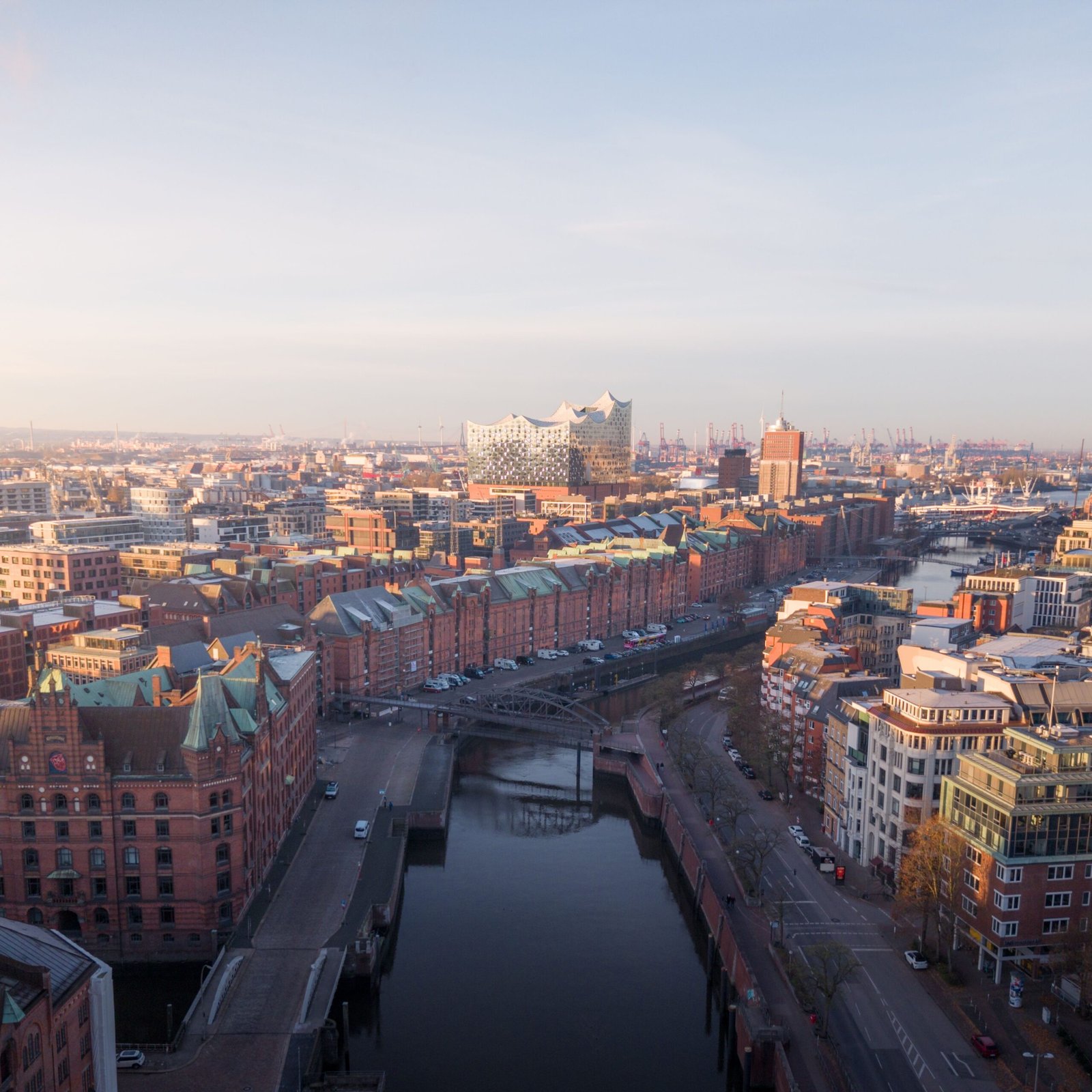
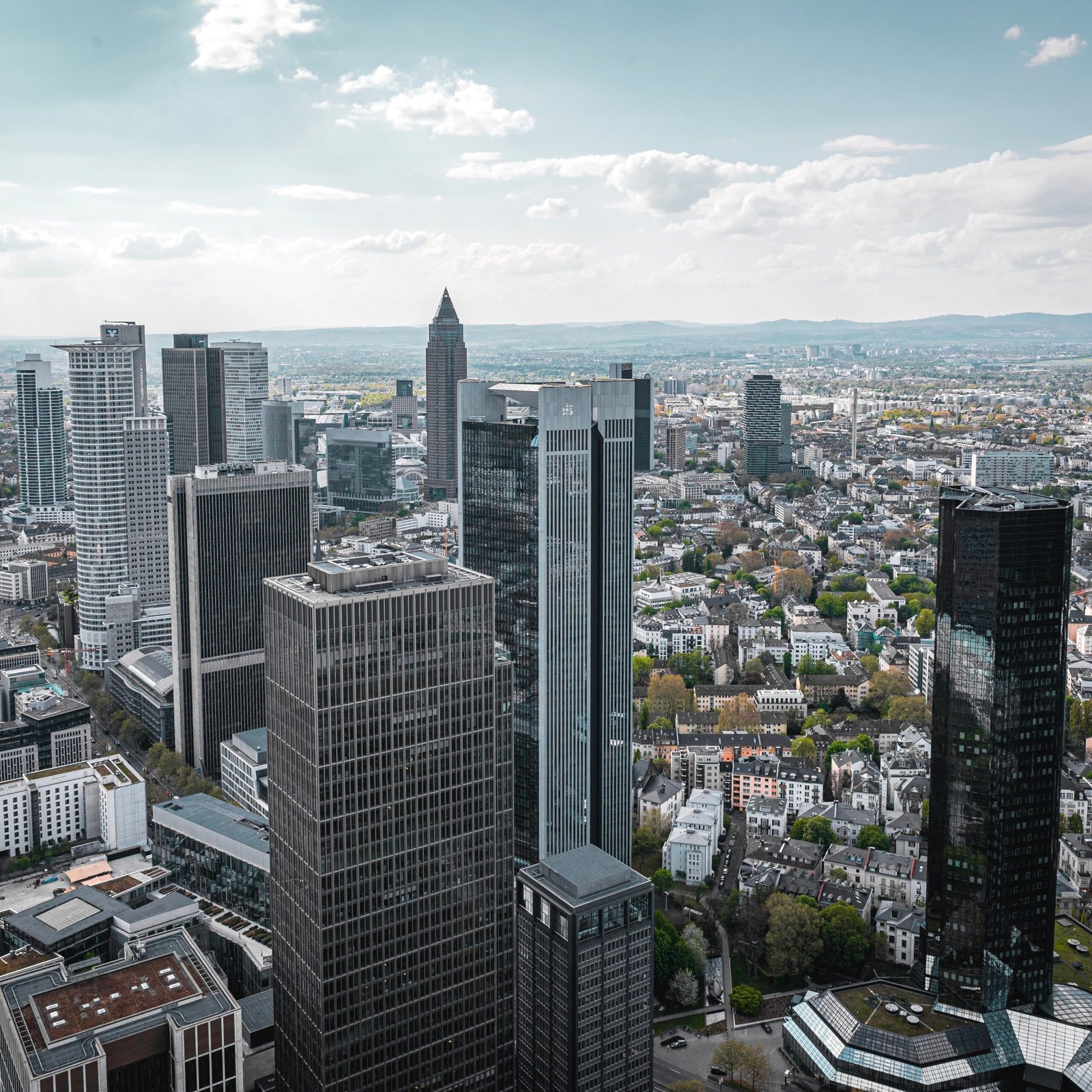
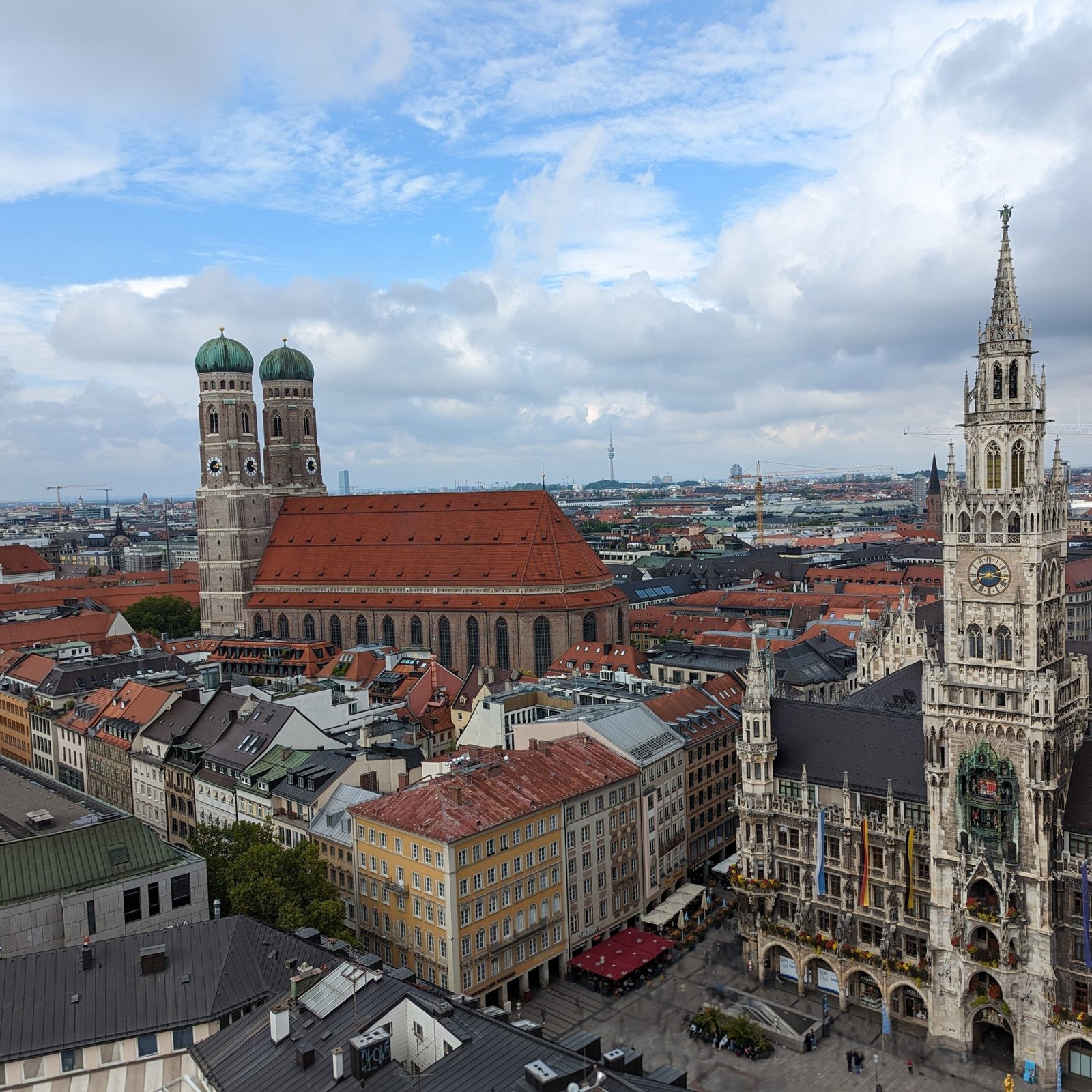
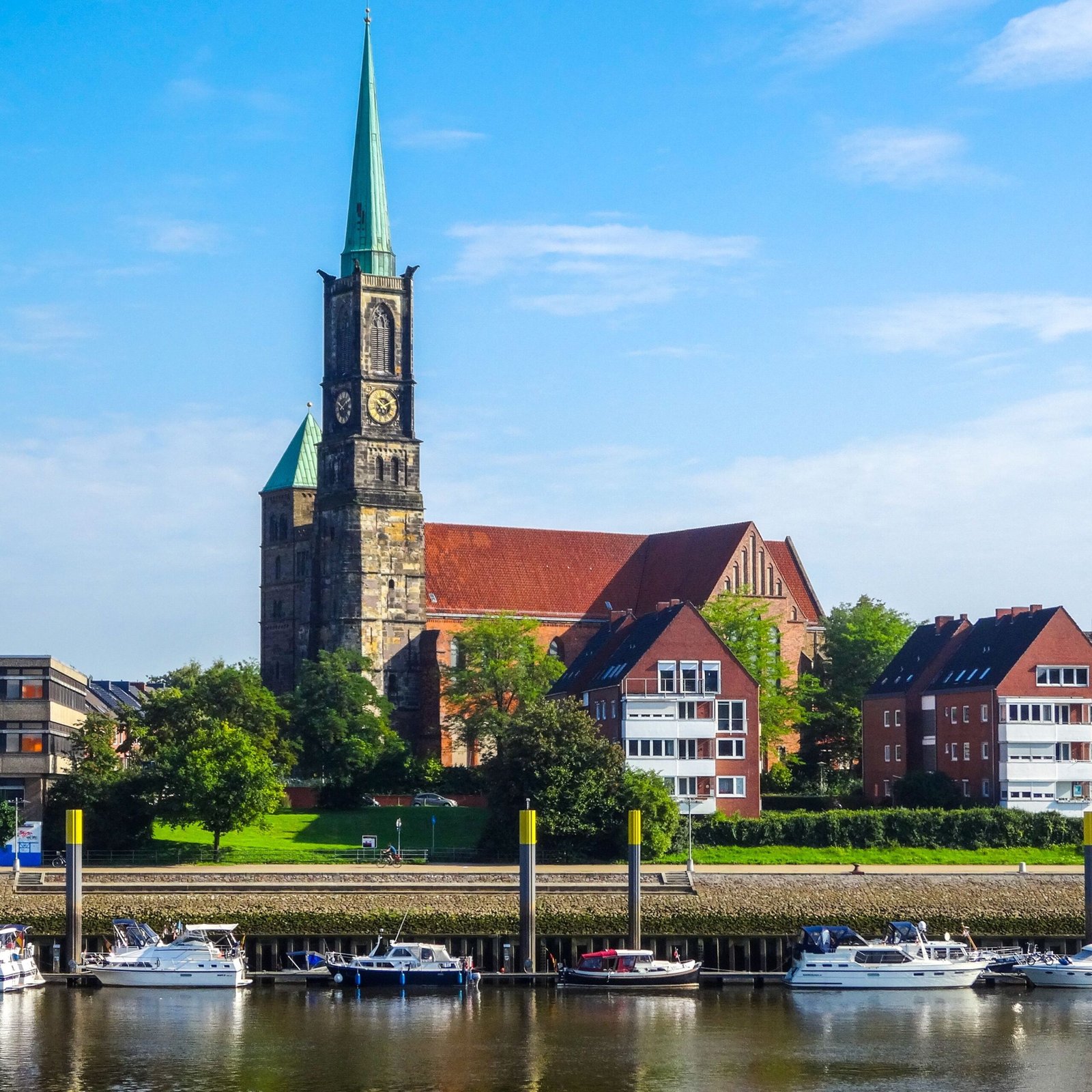
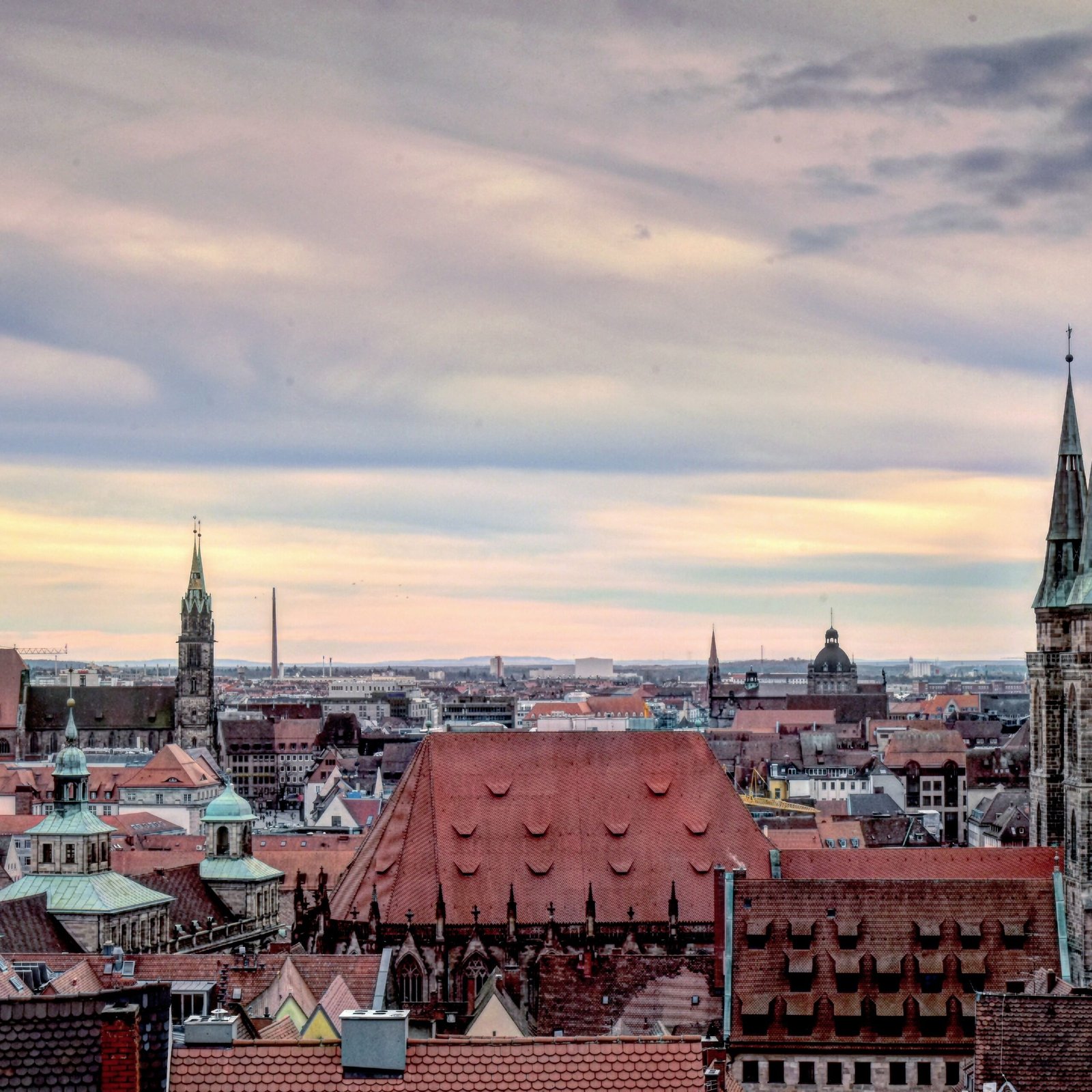
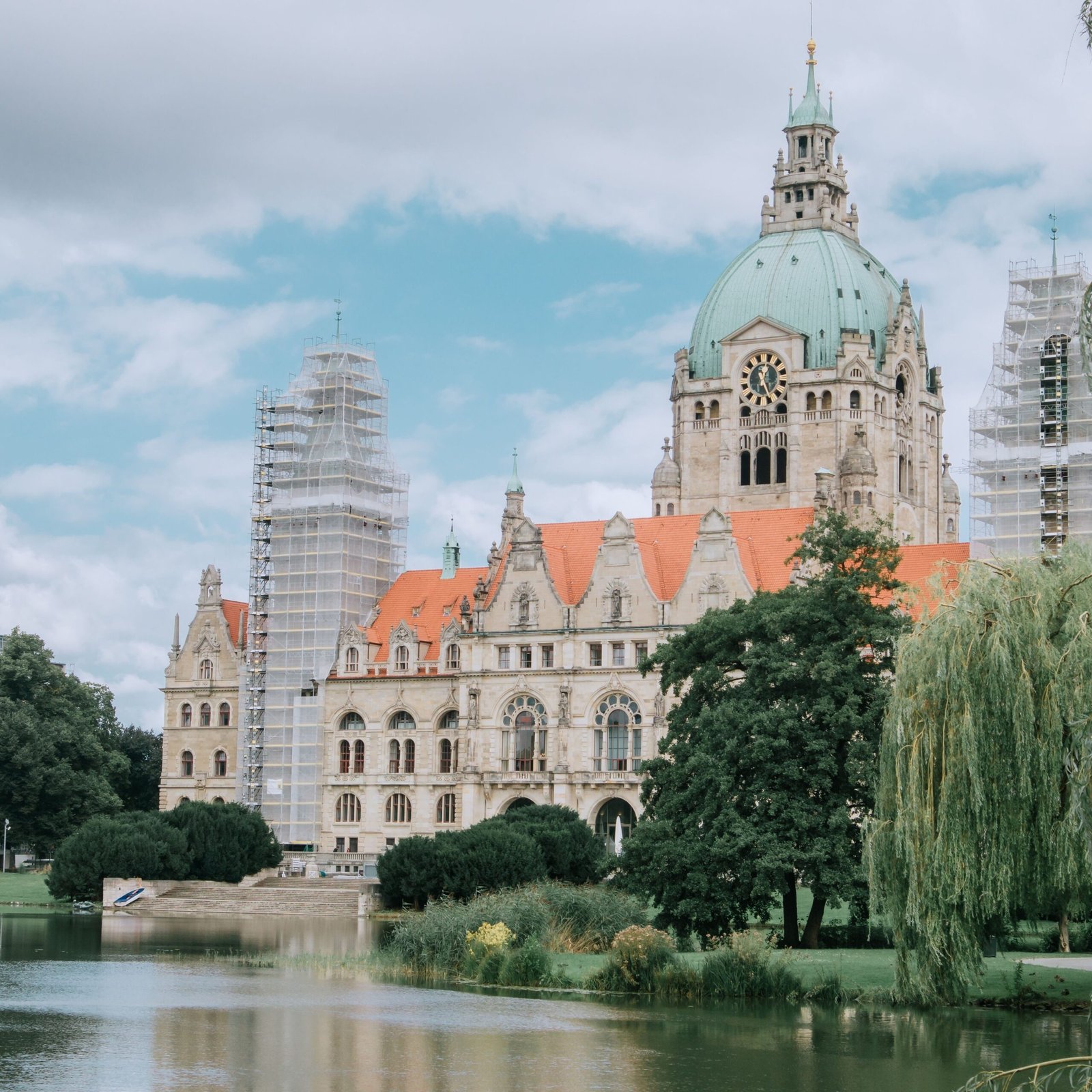
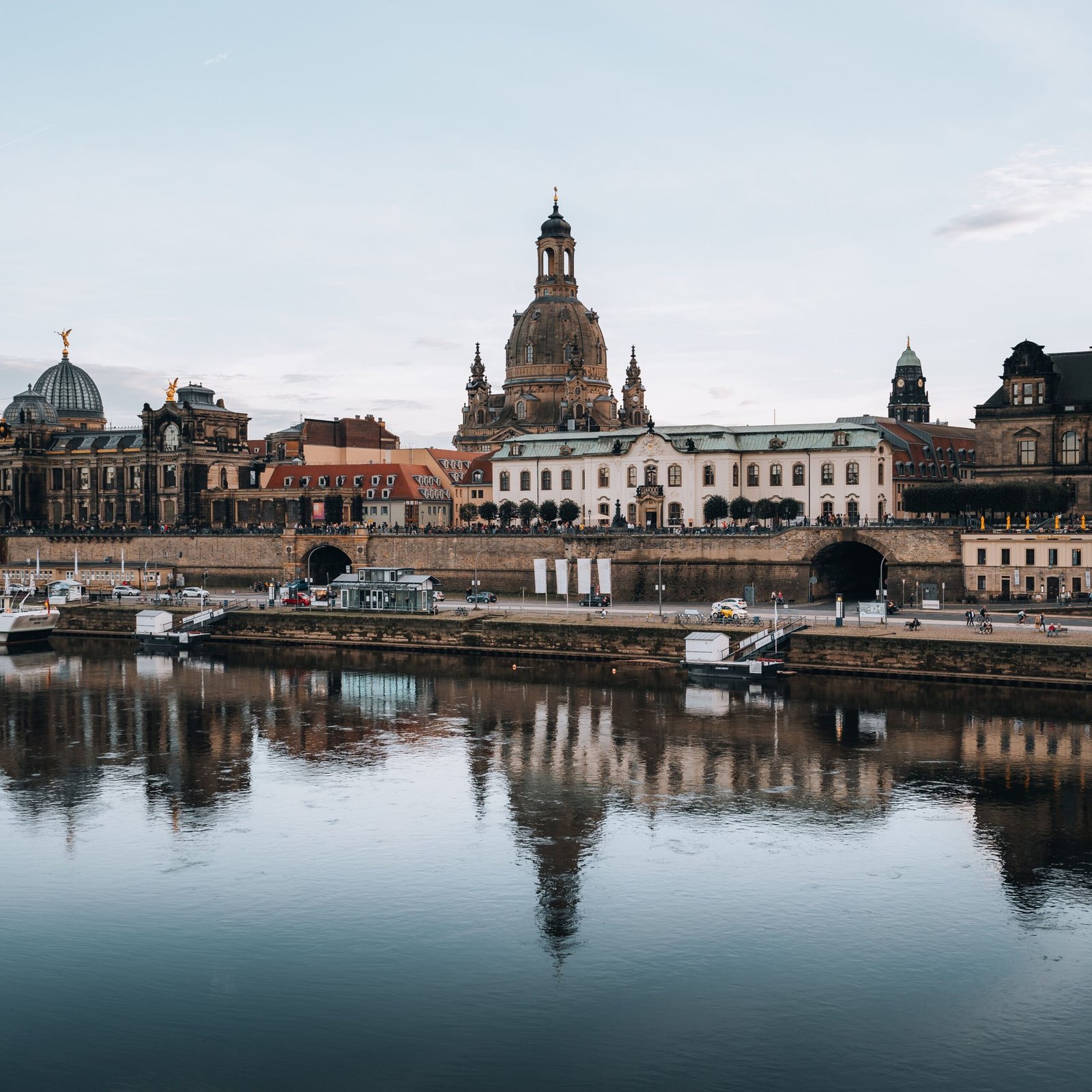
Famous Places in the Germany



Famous Healthcare Organisations & Hospitals
Germany has an extensive healthcare network comprising university hospitals, public hospitals, private hospitals, rehabilitation centres, elderly care facilities and specialist healthcare organisations.
Well-Known German Healthcare Institutions
- Charité – Universitätsmedizin Berlin
- University Hospital Munich
- University Hospital Heidelberg
- University Hospital Frankfurt
- University Hospital Cologne
- University Hospital Düsseldorf
- University Hospital Hamburg-Eppendorf
- University Hospital Freiburg
- University Hospital Leipzig
- University Hospital Tübingen
International candidates may also find opportunities with:
- Public hospitals
- Private hospitals
- Rehabilitation centres
- Elderly care facilities
- Nursing homes
- Community healthcare providers
- Home-care organisations
- Specialist healthcare facilities
Important: Availability of vacancies, employer sponsorship and specific nursing roles varies by employer and location.
Opportunities for International Nurses
Germany offers nursing opportunities across multiple healthcare environments.
International candidates may explore roles in:
- Hospitals
- Elderly care
- Nursing homes
- Rehabilitation centres
- Community healthcare
- Home healthcare
- Mental health services
- Medical wards
- Surgical departments
- Intensive care
- Emergency care
- Geriatric care
- Paediatric care
- Rehabilitation nursing
- Long-term care
- Specialist healthcare facilities
Germany’s official labour-market information identifies nursing as a profession with significant demand and vacancies.
The availability of a particular role depends on the candidate’s qualification, professional recognition, German language proficiency, experience and employer requirements.
Nursing Jobs in the Germany
Common Job Roles
Pflegefachfrau / Pflegefachmann
Qualified nursing professionals provide professional nursing care in hospitals, care facilities and other healthcare environments.
Registered / Qualified Nurse
International nurses whose qualifications have been recognised may work in eligible nursing positions according to their German professional authorisation.
Geriatric Nurse
Nurses may work with elderly patients in residential care, rehabilitation and other long-term care settings.
Hospital Nurse
Provide direct patient care across medical, surgical and specialist hospital departments.
Specialist Nurse
Experienced nurses may pursue opportunities in areas such as:
- Intensive Care
- Emergency Nursing
- Mental Health
- Paediatrics
- Oncology
- Surgical Nursing
- Geriatric Care
- Rehabilitation
- Community Nursing
Senior / Supervisory Nursing Roles
Experienced nurses may progress into senior clinical, supervisory or management positions depending on their qualifications and German professional experience.
Salary Expectations
Nursing salaries in Germany vary according to:
- Employer
- Federal state
- Healthcare setting
- Experience
- Qualification
- Position
- Collective agreement
- Working hours
- Shift patterns
- Specialisation
Salary structures can differ between public-sector employers, private employers and care providers.
Indicative Salary Structure
| Position / Experience | Approximate Gross Annual Salary |
|---|---|
| Entry-Level Qualified Nurse | €35,000 – €42,000+ |
| Experienced Nurse | €40,000 – €48,000+ |
| Specialist / Senior Nurse | €45,000 – €55,000+ |
| Senior / Supervisory Roles | €50,000+ |
Note: These figures are indicative only. Actual salary depends on employer, location, qualification, experience, collective agreement, shift allowances and employment contract.
Candidates should always verify the salary and benefits included in their individual employment offer.
Working Hours
Nurses in Germany generally work according to their employer’s roster and employment contract.
Nursing roles may involve:
- Day shifts
- Evening shifts
- Night shifts
- Weekend shifts
- Public holiday shifts
- Rotational shifts
- Full-time employment
- Part-time employment
Healthcare facilities operate around the clock, so shift-based working is common in hospitals and residential care facilities.
Actual working hours depend on the employer, department and employment agreement.
Overtime Opportunities
Overtime availability depends on the employer, department and staffing requirements.
Nurses may have opportunities to work:
- Additional shifts
- Weekend shifts
- Night shifts
- Public holiday shifts
- Additional hours
- Extra rostered duties
Additional compensation or time off may apply according to the applicable employment agreement or collective agreement.
Candidates should review their employment contract for details regarding overtime, shift allowances and additional payments.
Eligibility for International Nurses
Eligibility depends on the candidate’s nursing qualification, professional registration, German language proficiency, recognition status, experience and immigration pathway.
Candidates generally need:
- Recognised nursing qualification
- Valid passport
- Nursing registration documents
- Academic transcripts
- Nursing education documents
- Professional experience, where required
- German language proficiency
- Professional references
- Employment documentation
- Qualification recognition
- Medical fitness documentation
- Police clearance / good conduct documentation
- Visa eligibility
- Other employer-specific documents
Germany’s official guidance confirms that nursing is a regulated profession and that foreign nursing qualifications generally need to be recognised before the candidate can work as a fully qualified nurse.
German Nursing Qualification Recognition
Recognition of Foreign Nursing Qualifications
Recognition is one of the most important steps for international nurses planning to work in Germany.
The competent German authority assesses the candidate’s foreign nursing qualification against the relevant German qualification.
The recognition process can result in:
- Full recognition
- Partial recognition
- Requirement for additional compensatory measures
Germany’s official guidance states that candidates can either undergo an equivalence assessment based on their training documents or, in applicable cases, proceed directly to an adaptation measure.
How the Recognition Process Works
Step 1 — Profile Assessment
Review your nursing qualification, experience and professional background.
Step 2 — Document Preparation
Collect academic, professional and personal documents required for recognition.
Step 3 — Qualification Assessment
The competent German authority evaluates the foreign qualification.
Step 4 — Recognition Decision
The authority determines whether the qualification is:
- Fully equivalent
- Partially equivalent
- Requires compensatory measures
Step 5 — Adaptation / Compensatory Measures
If required, the candidate may need to complete an adaptation period or examination to address identified differences.
Step 6 — Professional Authorisation
Once the applicable requirements are completed, the candidate can obtain the required authorisation to practise as a nurse.
Germany’s recognition procedure generally results in an official decision indicating full recognition, partial recognition or no recognition.
German Language Requirement
Why German Is Important
German language proficiency is a critical part of the nursing pathway.
Nurses need to communicate with:
- Patients
- Doctors
- Nursing colleagues
- Families
- Healthcare administrators
- Allied healthcare professionals
Candidates may need to demonstrate German language proficiency as part of professional recognition and/or immigration requirements.
Common Language Levels
A1 – Beginner
Basic everyday communication.
A2 – Elementary
Basic communication and certain recognition-related pathways may accept A2 at specific stages.
B1 – Intermediate
More independent everyday communication.
B2 – Upper Intermediate
Commonly relevant for professional nursing recognition and clinical communication.
The exact language level required depends on the candidate’s pathway, competent authority and stage of the process. The official German portal notes that requirements can differ by pathway and that higher German proficiency may be required for qualification measures.
Recognition Partnership
Germany also provides a recognition partnership pathway that can allow certain international professionals to enter Germany and complete the recognition procedure with employer support.
Under this pathway, the candidate and employer agree in writing to complete the recognition process after entry into Germany.
The official requirements include German language skills of at least A2, although a higher level may be needed depending on the profession and qualification measures. For regulated healthcare professions such as nursing, candidates may work in an assistant capacity until the required professional authorisation is obtained.
Important: Eligibility for a recognition partnership depends on the candidate, employer and applicable immigration requirements.
Accommodation in Germany
Accommodation costs vary significantly across states and cities.
1. Shared Accommodation
Approximate monthly cost: €400 – €700+ per month
2. Private Room / Studio
Approximate monthly cost: €600 – €1,000+ per month
3. One-Bedroom Apartment
Approximate monthly cost: €800 – €1,500+ per month
Important
Rental prices can vary significantly according to:
- City
- Neighbourhood
- Distance from workplace
- Property size
- Furnishing
- Local demand
Cities such as Munich, Frankfurt and some parts of Berlin can be substantially more expensive than smaller cities and towns.
Candidates should consider: Rent + Utilities + Internet + Transport + Insurance + Food + Other Living Expenses
when planning their monthly budget.
Local Transport
Germany has an extensive public transportation network.
Available Options
- Trains
- Regional trains
- Buses
- Trams
- Underground / U-Bahn
- S-Bahn
- Taxis
- Ride-hailing services
- Cycling
- Walking
Major cities such as Berlin, Munich, Hamburg, Frankfurt and Cologne have extensive public transportation networks.
In smaller towns and rural locations, public transport availability may be more limited and candidates may prefer cycling or private transportation.
Food for Indian Professionals
Germany’s multicultural environment makes it increasingly easy for Indian professionals to find familiar food and ingredients.
Indian restaurants, supermarkets and grocery stores are available in many major cities.
Vegetarian Options for Indians
Common options include:
- Dal
- Rice
- Roti
- Naan
- Paneer
- Vegetable curries
- Chole
- Rajma
- Samosa
- Dosa
- Idli
- South Indian meals
- Vegetarian biryani
- Indian thali
Indian grocery stores may also provide:
- Spices
- Pulses
- Rice
- Atta
- Pickles
- Ready-to-eat foods
- Indian snacks
Non-Vegetarian Options for Indians
Common options include:
- Chicken curry
- Chicken tikka
- Tandoori chicken
- Chicken biryani
- Mutton/lamb curry
- Fish curry
- Kebabs
- Grilled chicken
- Seafood
Halal and other dietary options are also available in many German cities.
Germany Work Visa Options
Germany offers several residence and work pathways for qualified international professionals.
For international nurses, the appropriate route depends on professional recognition, employment status, German language proficiency and the candidate’s individual circumstances.
Work Visa for Qualified Professionals
Nurses are part of Germany’s regulated healthcare professions. Candidates who want to work as qualified nurses need the required professional authorisation.
Germany’s official guidance states that applicants working in regulated professions such as healthcare need the relevant licence to practise.
A typical pathway may involve:
Recognised Nursing Qualification
↓
German Job Offer
↓
Professional Authorisation
↓
Work Visa / Residence Permit
↓
Germany
↓
Start Nursing Career
Visa for Recognition of Foreign Qualifications
If an international nurse’s qualification has not yet achieved full recognition, Germany has a residence pathway that can allow candidates to enter Germany for a qualification or recognition measure.
For regulated professions such as nursing, this can include an adaptation period or examination.
This pathway may be relevant where additional training or assessment is required before full professional recognition.
Recognition Partnership Visa
The recognition partnership pathway allows eligible candidates to enter Germany and complete the recognition process with employer support while working under the applicable conditions.
The official German government guidance states that candidates generally need at least A2 German for this pathway, while higher language proficiency may be required depending on the profession and qualification measures.
Opportunity Card
Germany’s Opportunity Card (Chancenkarte) can allow eligible third-country nationals to enter Germany to look for employment under applicable conditions.
The suitability of this route depends on the candidate’s qualifications, recognition status, language skills, points and other requirements.
For regulated nursing employment, professional authorisation remains important before working as a fully qualified nurse.
EU Blue Card
Important: The EU Blue Card should not be presented as the standard visa route for nurses on this page.
Germany’s official nursing guidance specifically notes that the EU Blue Card does not apply to nursing professionals in the standard nursing pathway.
Therefore, for your Germany nursing page, I recommend focusing on:
- Qualified Professional Work Visa
- Recognition Visa
- Recognition Partnership
- Other applicable skilled-worker residence pathways
rather than advertising the EU Blue Card as a nursing route.
Work Visa Duration
The duration of a German residence permit depends on the specific visa or residence pathway, employment contract and individual circumstances.
Candidates may be able to extend their residence permit if they continue to meet the applicable requirements.
The exact duration should be confirmed based on the candidate’s specific visa category and employment situation.
Permanent Residency in Germany
Germany does not use the term “Green Card” for permanent residence.
The equivalent status is generally called:
Settlement Permit – Niederlassungserlaubnis
Eligible skilled workers may eventually qualify for a permanent settlement permit if they meet the applicable residence, employment, language, pension, financial and other requirements.
The exact qualifying period depends on the residence title and individual circumstances.
Permanent Residency Eligibility
Depending on the applicable pathway, requirements may include:
- Valid residence permit
- Qualifying employment
- Sufficient income
- German language proficiency
- Social security contributions
- Pension insurance contributions
- Adequate living space
- No serious criminal record
- Knowledge of the German legal and social system
- Other applicable requirements
Immigration rules can change, so candidates should verify the latest requirements before applying.
Expected Settlement Timeline
A typical career pathway may look like:
Profile Assessment
↓
German Language
↓
Qualification Recognition
↓
Professional Authorisation
↓
German Job Offer
↓
Work Visa
↓
Work in Germany
↓
Meet Settlement Requirements
↓
Apply for Permanent Settlement
The actual timeline depends on the candidate’s residence status, employment history, language proficiency and applicable immigration regulations.
Documents Required
The exact document list depends on the candidate, recognition authority, employer and visa pathway.
Common Documents
- Valid Passport
- Nursing Qualification Certificates
- Nursing Registration Documents
- Academic Transcripts
- Nursing Curriculum / Training Records
- Experience Certificates
- Professional References
- German Language Certificate
- Recognition Application Documents
- Recognition Decision / Bescheid
- Professional Registration / Authorisation Documents
- Job Offer / Employment Contract
- Employer Documents
- Police Clearance / Certificate of Good Conduct
- Medical Fitness Certificate
- Proof of Accommodation, where required
- Health Insurance
- Visa Application Documents
- Other immigration documents
Candidates should verify the latest documentation requirements with the competent German authority and German immigration authorities before submitting an application.
Germany Nursing Recruitment Intake
Recruitment Throughout the Year
Unlike university admissions, German nursing recruitment does not follow a single fixed annual intake.
Job opportunities are primarily based on:
- Current vacancies
- Employer requirements
- Nursing qualification
- Recognition status
- German language proficiency
- Clinical experience
- Location
- Employer recruitment cycles
International candidates can register their profiles and begin the placement process throughout the year.
Once the candidate meets the applicable eligibility and documentation requirements, their profile can be considered for suitable vacancies as they become available.
How the Recruitment Cycle Works
1. Profile Registration
Submit your professional and educational details for an initial assessment.
2. Eligibility Assessment
Review your nursing qualification, experience, registration and suitability for the German pathway.
3. German Language Preparation
Develop the German language skills required for your selected pathway.
4. Document Preparation
Prepare academic, professional, identity and experience documents.
5. Qualification Recognition
Submit the applicable recognition application and complete the required assessment process.
6. Adaptation / Examination
If required, complete an adaptation programme or examination to achieve full professional recognition.
7. Vacancy Matching
Your profile may be matched with suitable German nursing vacancies based on your qualification, experience, recognition status and language level.
8. Interview & Selection
Shortlisted candidates may participate in employer interviews and clinical discussions.
9. Job Offer
Selected candidates may receive an employment offer subject to employer requirements.
10. Visa Process
Apply for the appropriate German residence/visa pathway.
11. Relocation to Germany
Prepare for travel, accommodation and your transition to Germany.
12. Start Your Career
Begin your professional nursing career in Germany.
Important Note
German nursing recruitment and immigration timelines can vary depending on qualification recognition, German language proficiency, document verification, employer vacancies, adaptation measures, visa processing and individual circumstances.
There is no guarantee of a fixed monthly intake, job offer, employer sponsorship, visa approval or permanent residence.
All recruitment, recognition and immigration processes are subject to employer requirements, candidate eligibility and prevailing German regulations.
Your Germany Nursing Career Journey
01 — Profile Assessment
Understand your qualifications, experience and eligibility for the German nursing pathway.
02 — German Language
Build the German language skills required for your professional journey.
03 — Document Preparation
Prepare your academic, professional and personal documents.
04 — Qualification Recognition
Complete the applicable German qualification recognition process.
05 — Adaptation / Examination
Complete any required compensatory measures or examinations.
06 — Professional Authorisation
Obtain the applicable authorisation to practise as a qualified nurse.
07 — CV & Profile Building
Create a professional Germany-focused nursing profile.
08 — Job Search
Explore suitable nursing vacancies based on your profile.
09 — Interview Preparation
Prepare for employer interviews and clinical discussions.
10 — Job Offer
Proceed with the employer’s recruitment and selection process.
11 — Visa Process
Apply for the appropriate German visa or residence permit.
12 — Relocation
Prepare for accommodation, travel and your transition to Germany.
13 — Start Your Career
Begin your professional nursing journey in Germany.
Metier Brochure
Download the brochure of Germany Pathway using the below button.
Download Brochure
Start Your Germany Nursing Career
Your German Nursing Career Could Begin With One Conversation.
Explore your eligibility, understand the German nursing recognition pathway and discover career opportunities available for your professional profile.
Get Your Germany Career Assessment
Talk to Our Career Counsellor
Job availability, salary, qualification recognition, German language requirements, visa eligibility, accommodation costs, processing times and permanent residence pathways are subject to employer policies, competent authorities and the latest German regulations. Placement support does not guarantee employment, visa approval or permanent residence.
FAQs
Qualified nurses with recognised or recognisable nursing qualifications may explore opportunities in Germany, subject to qualification recognition, German language, professional authorisation, employer and immigration requirements.
Yes. Indian-trained nurses can pursue German nursing recognition and employment pathways if they meet the applicable qualification, language, professional recognition and immigration requirements.
Eligibility depends on the candidate’s nursing qualification, training, experience and the outcome of the German recognition process. A profile assessment is recommended before beginning the process.
Yes. B.Sc. Nursing graduates may pursue German nursing recognition and employment pathways, subject to the assessment of their qualification and other requirements.
Requirements can vary according to the employer, position and immigration pathway. Some employers may prefer or require relevant clinical experience.
Germany’s nursing pathway primarily requires German language proficiency, rather than IELTS or OET as the main professional language requirement. The applicable German language requirement depends on the recognition and employment pathway.
Yes, German language proficiency is an important part of the nursing pathway. The exact level depends on the recognition, employment and immigration route. B2 is commonly relevant for professional nursing recognition.
B2 German is commonly relevant to professional nursing recognition, but the exact requirements can depend on the competent authority and pathway. Candidates should verify the current requirement applicable to their case.
Yes. Nursing is a regulated profession in Germany, and international nurses generally need recognition of their foreign qualification and professional authorisation to work as qualified nurses.
The official German government portal states that the equivalence assessment generally takes around three to four months, although the actual timeline can vary depending on the authority, documents and individual case.
Certain pathways may allow eligible candidates to enter Germany for recognition measures or work in an assistant capacity while completing the recognition process. The recognition partnership is one example of a pathway that can allow recognition to continue after entry under specific conditions.
Opportunities may exist in hospitals, elderly care, rehabilitation, community healthcare, mental health, critical care, emergency nursing, medical-surgical nursing and other healthcare settings.
Metier can provide profile assessment, career guidance and placement support for eligible candidates. Employment depends on employer vacancies, candidate eligibility, recognition and successful selection.
Nursing salaries vary according to employer, state, experience, qualification, collective agreement, position and shift allowances. Candidates should verify the salary stated in their individual employment offer.
Working hours depend on the employer and employment contract. Hospital and residential care nursing commonly involves shift work, including nights, weekends and public holidays.