



Build Your Future in One of the World's Most Dynamic Cities
Dubai has developed into a major international education hub, with universities and higher education institutions offering programmes from the UAE as well as international branch campuses. Students can choose from undergraduate, postgraduate, doctoral and specialised programmes in fields including business, engineering, technology, finance, healthcare, media, design, hospitality and aviation.
Dubai’s higher education landscape includes international branch campuses and locally established institutions. KHDA regulates higher education institutions in Dubai, while the relevant UAE accreditation authorities oversee academic licensing and accreditation. (khda.gov.ae) Dubai also offers students the opportunity to study in a multicultural city with strong connections to the Middle East, Asia, Africa and Europe.
Why Study in Dubai?
Dubai offers an international higher education environment with institutions from different countries and a wide range of academic programmes.
According to KHDA, Dubai had 41 private higher education institutions in the 2024–25 academic year, including 37 international campuses, with international students accounting for 35% of the student body at these institutions. (khda.gov.ae)
Key Advantages
International education environment
Dubai hosts international universities and branch campuses, allowing students to pursue qualifications from institutions with international academic backgrounds.
English-taught programmes
A large number of programmes are delivered in English, particularly in private and international institutions.
Multicultural student community
Dubai attracts students and professionals from many countries, creating a diverse international environment.
Strategic global location
Dubai is geographically well positioned between Asia, Europe and Africa, with extensive international air connectivity.
Strong business environment
Students can study in a city with significant activity across finance, technology, tourism, logistics, aviation, real estate, hospitality and entrepreneurship.
Industry exposure
Dubai’s economy provides opportunities for students to interact with companies, events, business communities and professional networks.
Modern infrastructure
Students have access to modern transportation, technology infrastructure, shopping, entertainment and lifestyle facilities.
International university options
Dubai’s higher education sector includes international branch campuses alongside local institutions. KHDA regulates higher education institutions in Dubai and maintains requirements relating to quality assurance and programme approval. (khda.gov.ae)
Life in Dubai
Dubai offers a modern urban lifestyle with a highly international population. Students can experience:
- Modern shopping centres
- Beaches
- Restaurants and cafés
- Cultural attractions
- Sports and fitness facilities
- Entertainment venues
- Student clubs and societies
- Business events
- International communities
- Desert experiences
- Museums and heritage sites
Dubai’s climate is generally hot for much of the year, with milder winter months.
Student Lifestyle
Students can choose accommodation close to campus or in other parts of Dubai depending on budget and transport requirements.
When selecting accommodation, students should consider:
- Distance from university
- Public transport access
- Rent
- Utilities
- Food expenses
- Safety
- Lifestyle preferences
Culture & Language
Culture
Dubai combines Emirati heritage with a highly international population. Students can experience:
- Emirati traditions
- Arabic culture
- Islamic heritage
- International festivals
- Global cuisine
- Modern architecture
- Art and design
- Business and cultural events
Students should also familiarise themselves with local laws, customs and cultural expectations before travelling to the UAE.

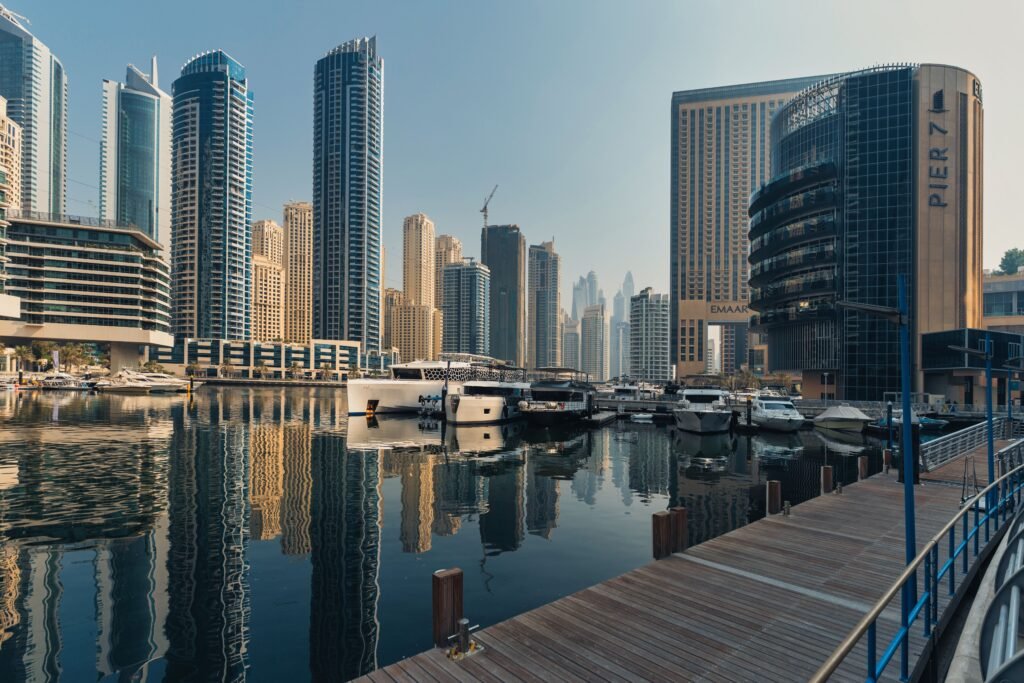
Language
Arabic is the official language of the UAE. However, English is widely used in business, education, retail, hospitality and everyday communication in Dubai.
Most international university programmes are taught in English, although exact language requirements depend on the institution and programme.
Capital City
Abu Dhabi – Capital of the UAE
Abu Dhabi is the federal capital of the United Arab Emirates. Dubai is the largest city in the Emirate of Dubai and is one of the UAE’s major economic, business and tourism centres.
Famous Places
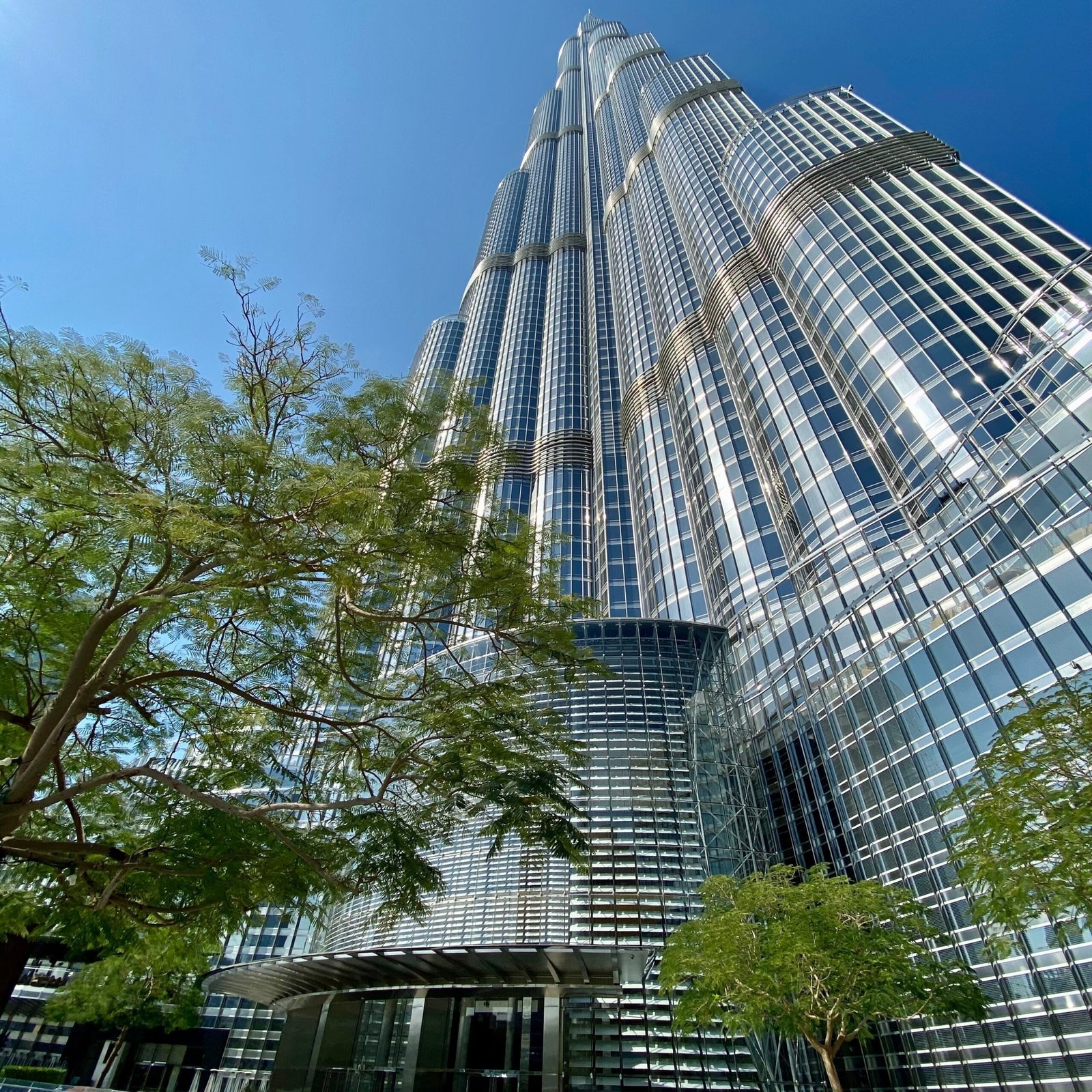


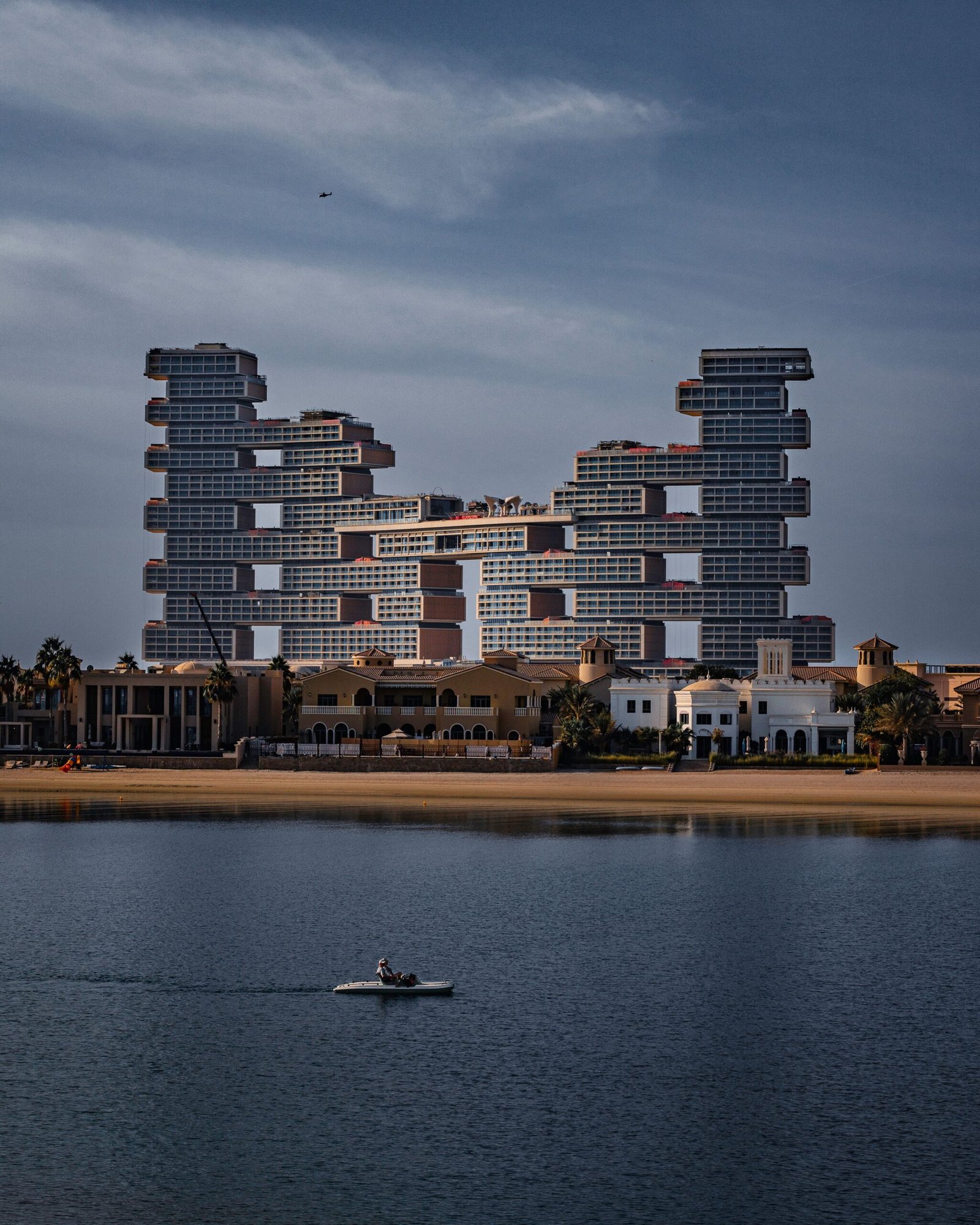

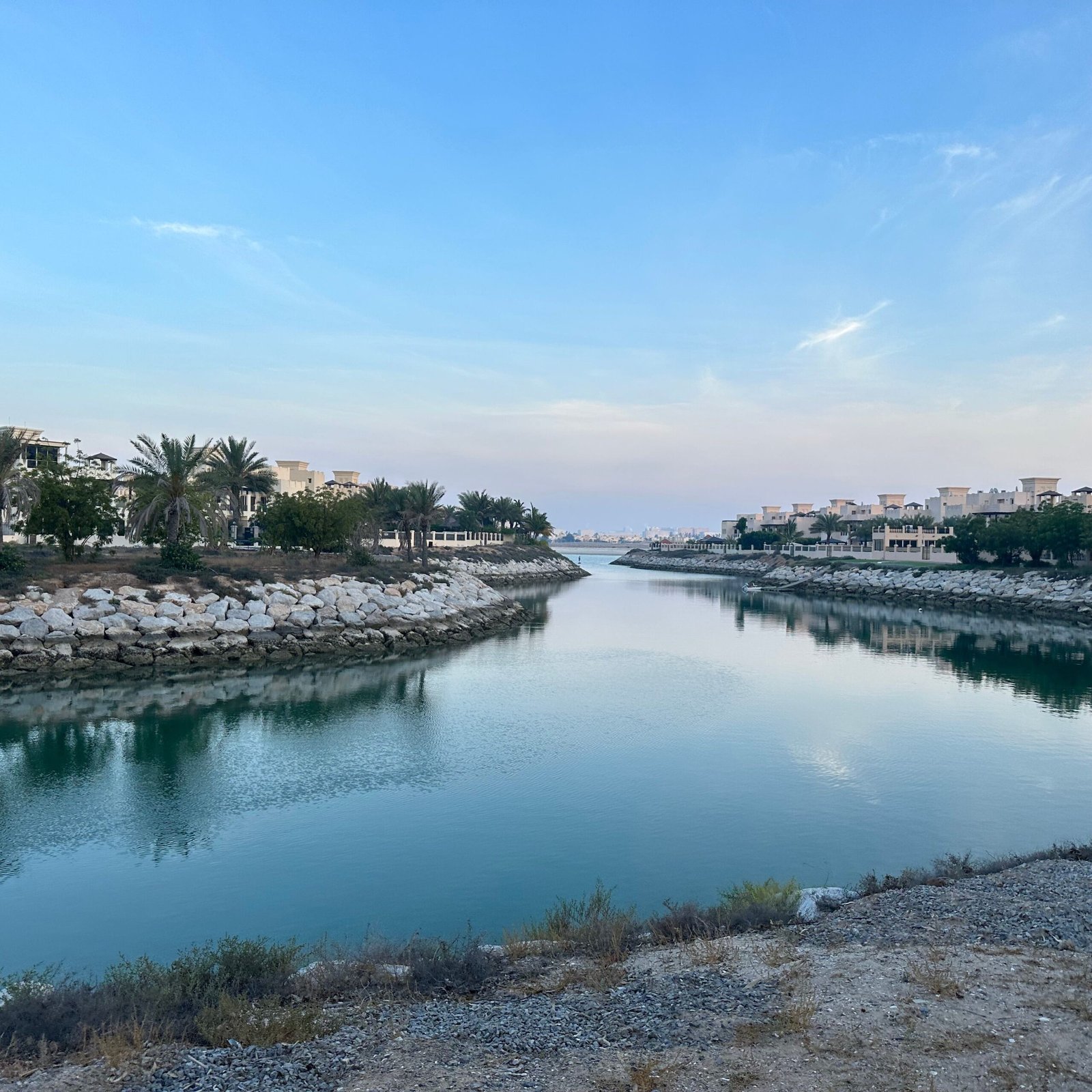

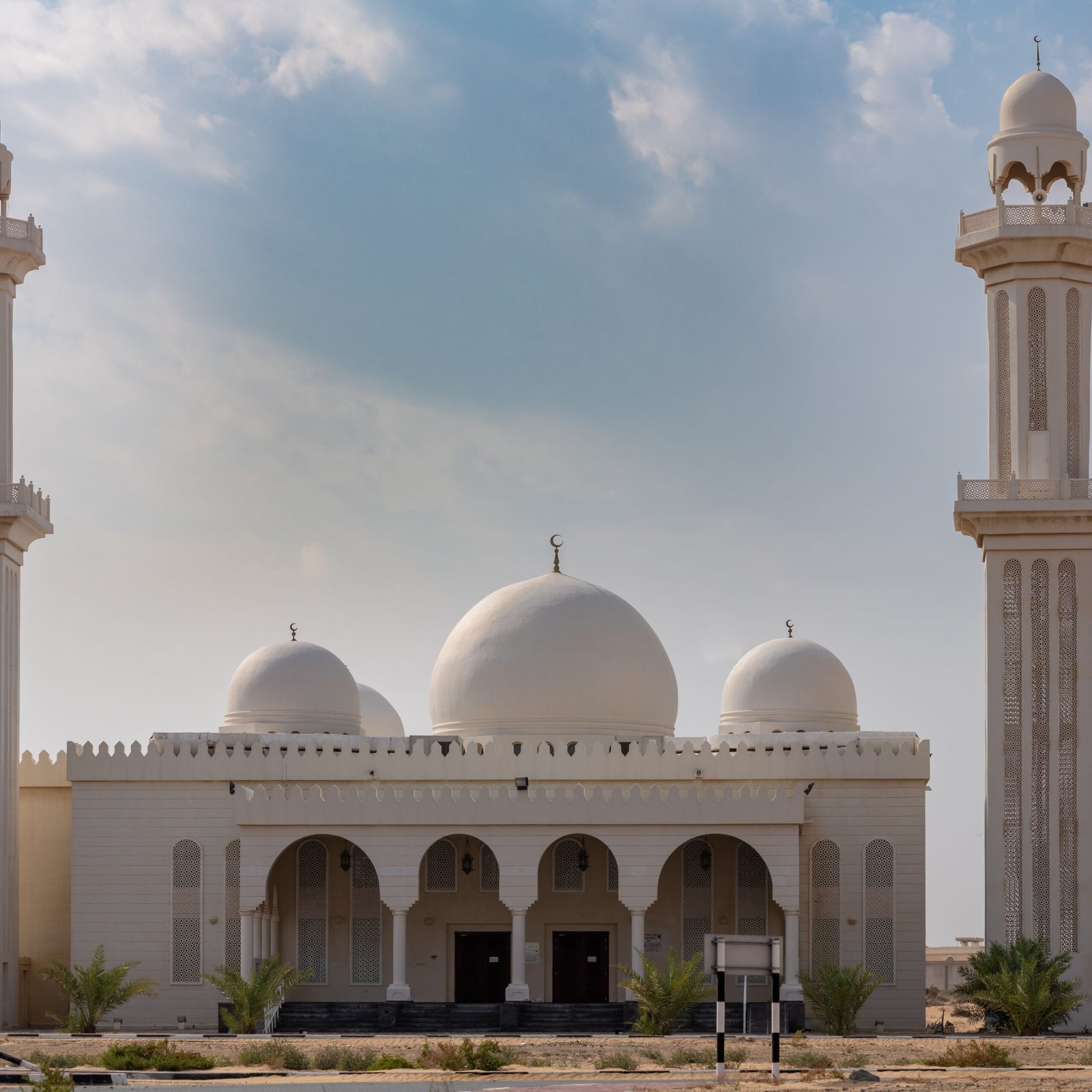
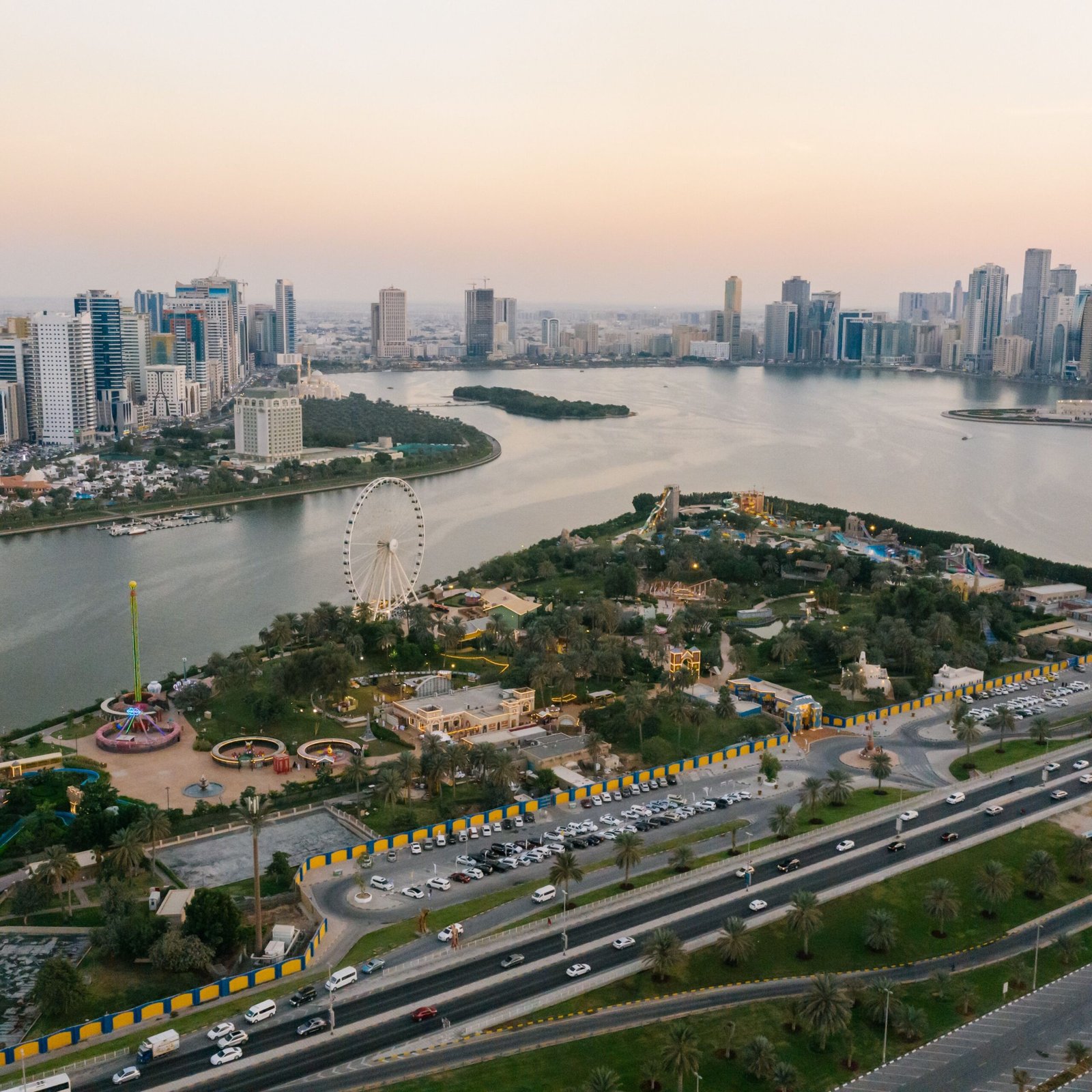

Famous Universities in Dubai
Dubai’s higher education sector includes:
- International branch campuses
- Private universities
- Specialised institutions
- Business schools
- Professional institutions
KHDA oversees higher education institutions in Dubai, while accreditation and licensing arrangements depend on the type and location of the institution. (khda.gov.ae)
Examples of Institutions in Dubai
Students may explore:
- University of Birmingham Dubai
- University of Wollongong in Dubai
- Middlesex University Dubai
- Heriot-Watt University Dubai
- Curtin University Dubai
- Murdoch University Dubai
- Canadian University Dubai
- American University in Dubai
- Dubai International Academic City institutions
- Emirates Aviation University
- Rochester Institute of Technology – Dubai
- SP Jain School of Global Management
- Amity University Dubai
- Manipal Academy of Higher Education – Dubai
Dubai’s higher education sector continues to attract international universities. For example, KHDA announced the opening of additional international university campuses during the 2025–26 academic year. (khda.gov.ae)
Important
Before applying, students should verify:
- University licence
- Programme approval
- Accreditation
- Awarding body
- Campus location
- Qualification recognition
- Professional accreditation where relevant
KHDA provides information about approved higher education institutions and programmes in Dubai. (khda.gov.ae)
Study Options in Dubai
Bachelor’s Degree
Undergraduate programmes are available across areas such as:
- Business
- Engineering
- Computer Science
- Finance
- Media
- Design
- Hospitality
- Aviation
- Healthcare
Programme duration is commonly around three to four years, depending on the institution and programme.
Master’s Degree
Students can choose from:
- MSc
- MA
- MBA
- MEng
- Master of Finance
- Master of Management
- Specialised Master’s programmes
Many Master’s programmes can be completed in one to two years depending on the programme structure.
Doctoral / PhD Programmes
Selected Dubai institutions offer doctoral programmes across:
- Business
- Engineering
- Technology
- Management
- Education
- Healthcare
- Social sciences
Availability varies by institution.
Diplomas & Professional Programmes
Students may also find:
- Graduate diplomas
- Professional diplomas
- Certificates
- Foundation programmes
- Pathway programmes
- Executive education
- Short-term specialised programmes
Popular Courses to Study in Dubai
Business & Management
- Business Administration
- International Business
- Marketing
- Finance
- Human Resource Management
- International Management
- Entrepreneurship
- Supply Chain Management
- Project Management
Computer Science & Technology
- Computer Science
- Software Engineering
- Artificial Intelligence
- Data Science
- Cybersecurity
- Cloud Computing
- Information Technology
- Business Analytics
- Digital Transformation
Engineering
- Mechanical Engineering
- Civil Engineering
- Electrical Engineering
- Electronics
- Mechatronics
- Computer Engineering
- Aerospace Engineering
- Engineering Management
Finance & Banking
- Finance
- Accounting
- Investment Management
- Banking
- Financial Technology
- Risk Management
- Islamic Finance
Healthcare & Life Sciences
- Healthcare Management
- Public Health
- Biomedical Science
- Nursing
- Pharmacy
- Biotechnology
- Health Sciences
Professional licensing may be required for regulated healthcare professions.
Hospitality & Tourism
- Hotel Management
- Hospitality Management
- Tourism
- Event Management
- Culinary Arts
- International Hospitality
Media & Design
- Media & Communications
- Digital Media
- Graphic Design
- Fashion
- Interior Design
- Animation
- Film
- Advertising
Aviation
- Aviation Management
- Aerospace-related programmes
- Airport Management
- Airline Management
- Aviation Safety
Tuition Fees in Dubai
Dubai does not have a single national tuition fee structure for international students. Fees vary according to:
- University
- Awarding institution
- Programme
- Degree level
- Credit load
- Duration
- Campus
- Specialisation
Indicative Examples
Current programme listings on Study in Dubai show significant variation between institutions.
For example, University of Birmingham Dubai lists selected Bachelor’s programmes at around AED 94,080 for the full three-year programme, while Middlesex University Dubai lists selected three-year Bachelor’s programmes at around AED 161,400. (studyindubai.ae) (studyindubai.ae)
Selected postgraduate programmes at Middlesex University Dubai are listed from approximately AED 53,800, with MBA programmes listed at around AED 107,600, depending on the programme. (studyindubai.ae)
These figures are examples rather than a Dubai-wide fee range.
Students Should Also Budget For
- Application fees
- Registration fees
- Student visa/residence costs
- Health insurance
- Accommodation
- Transportation
- Books and study materials
- Personal expenses
- Air travel
Always verify the latest fee schedule directly with the university before accepting an offer.
Scholarships & Financial Support
Scholarship opportunities vary by institution. Students may find:
- Academic merit scholarships
- Early application scholarships
- International student scholarships
- Sports scholarships
- Need-based assistance
- Tuition discounts
- Programme-specific awards
University Scholarships
Some Dubai universities offer scholarships based on:
- Academic performance
- School grades
- Undergraduate results
- Entrance performance
- Sports or extracurricular achievements
- Other university-defined criteria
Scholarship availability and eligibility differ by institution. Students should apply early and check the scholarship terms before making financial plans.
Accommodation in Dubai
Students can choose from several accommodation options.
University Accommodation
Some universities offer student residences either on campus or through affiliated accommodation providers.
Options may include:
- Single rooms
- Shared rooms
- Shared apartments
- Furnished rooms
- Study areas
- Internet
- Laundry facilities
Private Student Accommodation
Purpose-built student accommodation may offer:
- Furnished rooms
- Shared facilities
- Security
- Gym
- Study spaces
- Common areas
- Transport links
Private Apartments
Students can rent:
- Studios
- One-bedroom apartments
- Shared apartments
Shared Accommodation
Sharing accommodation can help reduce monthly housing costs.
Accommodation Costs
Costs vary significantly by location, room type and facilities.
For example, current listings for Middlesex University Dubai accommodation show different rates for single and shared rooms, demonstrating the significant variation in student housing costs. (studyindubai.ae)
Students should compare the total cost, including:
- Rent
- Utilities
- Internet
- Deposit
- Transportation
- Food
Cost of Living in Dubai
Dubai offers a wide range of lifestyles and therefore living costs vary considerably.
Major expenses include:
- Accommodation
- Food
- Transportation
- Mobile phone
- Internet
- Utilities
- Study materials
- Personal expenses
- Entertainment
The official Dubai student portal provides guidance on budgeting, student discounts and cost-of-living planning. (visitdubai.com)
How Students Can Manage Costs
Students can consider:
- Shared accommodation
- Student residences
- Public transport
- Student discounts
- Cooking at home
- Monthly budgeting
- Choosing accommodation close to campus
Dubai’s cost of living can be higher than some other study destinations, particularly for private accommodation in central areas.
Local Transport
Dubai has a modern public transportation system.
Metro
The Dubai Metro connects major areas of the city and is widely used by students and professionals.
Bus
Dubai’s bus network provides connections to areas not directly served by the Metro.
Tram
The Dubai Tram serves areas including Dubai Marina and surrounding communities.
Taxi
Taxis are widely available across Dubai.
Cycling & Walking
Some communities offer dedicated cycling and pedestrian infrastructure. Students can use the Nol card for eligible public transport services.
Choosing Accommodation
Students should consider the distance from their university and access to Metro or bus routes before signing a rental agreement.
Food Options for Indian Students
Dubai is highly multicultural, making it relatively easy for Indian students to find familiar food.
Indian Food
Students can find:
- North Indian cuisine
- South Indian cuisine
- Gujarati cuisine
- Punjabi cuisine
- South Indian vegetarian food
- Street food
- Indian restaurants
- Indian grocery stores
Vegetarian & Vegan Food
Vegetarian food is widely available across Dubai.
Halal Food
Halal food is widely available, with many restaurants offering halal-certified or halal-compliant options.
Self-Catering
Students can also purchase groceries and prepare meals in shared apartments or student accommodation.
Self-catering can help students manage food preferences and monthly expenses.
Admission Requirements
Requirements depend on the university and programme.
Bachelor’s Applicants
May generally need:
- Class 12 or equivalent qualification
- Academic transcripts
- Passport
- English-language proficiency
- Programme-specific prerequisites
- Personal statement where required
Some programmes may require specific subjects or minimum grades.
Master’s Applicants
May generally need:
- Recognised Bachelor’s degree
- Academic transcripts
- CV
- Statement of Purpose
- English-language proficiency
- Recommendation letters where required
- Relevant work experience for selected programmes
PhD Applicants
May require:
- Relevant Master’s degree
- Research proposal
- Academic transcripts
- CV
- Research experience
- Academic references
- English-language proficiency
- Potential supervisor
Exact requirements should always be confirmed with the university.
English Language Requirements
Many Dubai universities teach programmes in English.
Depending on the institution and programme, students may be required to provide:
- IELTS
- TOEFL
- PTE Academic
- Cambridge English
- Other recognised English-language qualifications
- University English-language assessment
For example, Middlesex University Dubai lists different English requirements for undergraduate and postgraduate programmes, including IELTS, PTE and TOEFL benchmarks. (studyindubai.ae)
Requirements vary by university and programme.
How to Apply to Universities in Dubai
Step 1 – Profile Assessment
Review:
- Academic qualifications
- English proficiency
- Budget
- Career objectives
- Preferred location
- Programme interests
Step 2 – Select Your Course
Shortlist programmes based on:
- Course content
- Duration
- Tuition fees
- Career relevance
- Entry requirements
Step 3 – Shortlist Universities
Compare:
- Accreditation
- Awarding body
- Programme recognition
- Tuition
- Location
- Scholarships
- Accommodation
- Career support
Step 4 – Prepare Documents
Collect academic, identification and language documents.
Step 5 – Submit Application
Applications are generally submitted through the university’s official application system or through an authorised representative.
Step 6 – Receive Admission Decision
The institution may issue:
- Conditional offer
- Unconditional offer
- Additional document request
Step 7 – Accept the Offer
Complete the required acceptance and fee formalities.
Step 8 – Arrange Student Residence
Once the admission and visa arrangements are confirmed, prepare accommodation and travel plans.
Documents Required
Depending on the university and programme, students may need:
- Valid passport
- Passport-size photographs
- Class 10 and 12 certificates
- Academic transcripts
- Bachelor’s degree and transcripts for postgraduate study
- English-language test result
- CV
- Statement of Purpose
- Recommendation letters
- Work experience documents
- Portfolio where applicable
- Admission/offer letter
- Fee payment evidence
- Health insurance documentation
- Visa/residence documents
International academic documents may need attestation or verification depending on the university and programme.
Student Residence Visa for Dubai
International students studying at an accredited institution in Dubai generally require an appropriate UAE residence status. A foreign student enrolled in an accredited university, college, educational institution or research institute can obtain a student residence permit, with the educational institution acting as the host/guarantor where applicable. (gdrfad.gov.ae)
The UAE Government also states that students may reside in the UAE under sponsorship of an accredited university/college or, in applicable circumstances, under sponsorship of a UAE-resident parent. (u.ae)
Dubai Student Visa / Residence Process
Step 1 – Receive University Admission
Secure an admission or offer from an eligible institution.
Step 2 – Complete Fee & Enrolment Formalities
Pay the required deposit or tuition amount according to the university’s conditions.
Step 3 – University Initiates Visa Process
Where the university sponsors the student, the institution generally coordinates the residence application.
Step 4 – Entry Permit / Status Process
Complete the applicable immigration procedures.
Step 5 – Medical Examination
A medical fitness examination may be required for residence issuance.
Step 6 – Emirates ID
Complete the applicable Emirates ID process.
Step 7 – Health Insurance
Health insurance is among the requirements listed by GDRFA Dubai for student residence permits. (gdrfad.gov.ae)
Step 8 – Residence Permit
Once the applicable requirements are completed, the student receives the relevant residence permission.
Student Residence Visa Requirements
GDRFA Dubai currently lists requirements including:
- Recent passport photograph
- Passport copy
- Approved medical examination
- Emirates ID-related documentation
- Health insurance
The educational institution must be licensed and have the required approval from the relevant education authority. (gdrfad.gov.ae)
Important
Visa requirements, fees and processing procedures can change. Students should follow the latest instructions from their university and the relevant UAE immigration authority.
Student Visa Costs
Student residence costs are not identical across all Dubai universities because institutions may package visa processing, medical examination, insurance and other services differently.
For example, the current Study in Dubai listing for the University of Wollongong in Dubai shows a one-year student visa package of approximately:
- AED 7,035 for applicants outside the UAE
- AED 8,577.50 for applicants inside the UAE
The university notes that these fees are subject to change and include several visa-related services and charges. (studyindubai.ae)
Students should therefore check the exact visa and residence costs with their chosen institution.
Financial Planning for Dubai
There is no single Dubai-wide student budget because expenses depend on accommodation, location and lifestyle. Students should plan for:
Education
- Tuition fees
- Application fees
- Registration fees
- Books and study materials
Accommodation
- Rent
- Security deposit
- Utilities
- Internet
Living
- Food
- Transportation
- Mobile phone
- Personal expenses
Immigration
- Residence visa
- Medical examination
- Emirates ID
- Health insurance
- Other applicable charges
Students should maintain sufficient funds to cover their expenses independently rather than relying on part-time work.
Work Opportunities During Study
International students should not assume that a UAE student residence permit automatically provides unrestricted employment rights.
Employment must comply with UAE labour and work-permit requirements.
The UAE provides different work permits, including part-time work permits and student training/employment permits under applicable conditions. (u.ae)
Possible Opportunities
Subject to the applicable permissions and employer requirements, students may explore:
- Internships
- Part-time roles
- Campus-related opportunities
- Hospitality
- Retail
- Administration
- Customer service
- Tutoring
- Industry placements
Important
Students should obtain the appropriate work authorisation before undertaking employment. The university’s career services or student affairs team can help clarify the permitted options.
Internships & Industry Exposure
Dubai’s business environment can provide students with exposure to sectors such as:
- Technology
- Finance
- Banking
- Aviation
- Hospitality
- Tourism
- Logistics
- Real estate
- Healthcare
- Media
- Marketing
- Entrepreneurship
Internship availability depends on:
- Programme
- University
- Employer
- Student eligibility
- Applicable work authorisation
Some programmes may include internships or industry projects as part of the curriculum.
Post-Study Work Opportunities
Unlike countries with a dedicated post-study work visa covering graduates generally, the UAE’s long-term stay options are linked to the individual’s qualifying residence category.
After graduation, students may transition to an appropriate employment or other residence status if they meet the relevant requirements.
Possible Routes
Employment-based residence
A graduate who secures eligible employment may move to an employment-based residence arrangement sponsored by the employer.
Jobseeker visa
The UAE also offers a jobseeker visit visa for eligible applicants seeking employment in the UAE. Eligibility conditions apply. (u.ae)
Golden Residence
Outstanding students and graduates may qualify for a UAE Golden Residence if they meet the specific criteria. (u.ae)
Golden Residence for Outstanding Students & Graduates
The UAE offers Golden Residence options for certain outstanding students and graduates.
Outstanding School Students
Eligible high-achieving students may qualify subject to the applicable academic criteria.
Outstanding University Graduates
Graduates of UAE universities and eligible international universities may qualify under specific conditions relating to:
- University ranking
- GPA
- Graduation date
- Qualification
- UAE authority approval
For example, GDRFA Dubai currently lists criteria for top graduates of international universities, including graduation from a university ranked within the top 100 under the approved international classification and a minimum Bachelor’s GPA of 3.5 for the specified route. (gdrfad.gov.ae)
Important
Golden Residence is not automatically granted to every international student or graduate. Eligibility depends on the applicable category and government approval.
Permanent Residence & Long-Term Settlement
The UAE does not operate a conventional permanent-residence system equivalent to countries such as Canada or Australia. Instead, eligible foreign nationals can maintain lawful residence through qualifying residence categories.
These may include:
- Employment residence
- Investor/business residence
- Golden Residence
- Other qualifying residence categories
Students should not assume that completing a degree automatically leads to permanent residence or citizenship.
Intakes in Dubai
Dubai universities may offer multiple intakes throughout the year.
September / October Intake
Usually the major intake for many undergraduate and postgraduate programmes.
It may offer the widest selection of programmes.
January / February Intake
Many institutions offer selected programmes during the winter intake.
May / June Intake
Some universities also offer selected programmes during summer intake.
Important
Intake availability varies significantly by:
- University
- Programme
- Degree level
- Faculty
Students should check the exact intake for their chosen programme.
Recommended Application Timeline
For the September intake, students should ideally start planning 6–9 months before the intended start date.
6–9 Months Before
- Profile assessment
- Course selection
- University research
- Budget planning
- English-language test
4–6 Months Before
- Prepare academic documents
- Apply to universities
- Apply for scholarships
- Compare offers
2–4 Months Before
- Accept offer
- Pay required fees
- Begin student residence process
- Arrange accommodation
1–2 Months Before
- Complete visa/residence requirements
- Arrange flights
- Organise insurance
- Prepare finances
Before Departure
- Confirm accommodation
- Organise airport transfer
- Carry essential documents
- Prepare for university registration
Why Choose Metier International Academy?
At Metier International Academy, we can support students through the different stages of their Dubai study-abroad journey.
Our Support Can Include
Profile Assessment
Evaluate your academic qualifications, interests, budget and career objectives.
Course Selection
Identify suitable Bachelor’s, Master’s and specialised programmes.
University Shortlisting
Compare universities based on programme, fees, location and accreditation.
Application Assistance
Support with application preparation and submission.
SOP & Documentation Guidance
Guidance with CVs, statements and supporting documents.
Scholarship Guidance
Explore university-specific scholarship opportunities.
Visa Guidance
Assistance with student residence documentation and the applicable process.
Accommodation Guidance
Explore suitable student accommodation and residential options.
Pre-Departure Support
Prepare for travel, finances, accommodation and arrival in Dubai.
Your Study Abroad Journey with Metier
Step 1 – Profile Assessment
Understand your academic background, budget and career objectives.
Step 2 – Course Selection
Identify suitable courses based on your interests and qualifications.
Step 3 – University Shortlisting
Compare institutions, programmes, fees, locations and accreditation.
Step 4 – Application Preparation
Prepare academic, identification and language documents.
Step 5 – University Application
Submit applications and track admission decisions.
Step 6 – Offer Acceptance
Review the offer and complete the required acceptance and fee formalities.
Step 7 – Scholarship Guidance
Explore available scholarships and tuition discounts.
Step 8 – Student Residence Process
Prepare the required documents and complete the university-supported residence process where applicable.
Step 9 – Accommodation & Travel
Arrange accommodation, flights, insurance and finances.
Step 10 – Begin Your Studies
Travel to Dubai, complete university registration and begin your international education journey.
Metier Brochure
Download the brochure of the Dubai Study Abroad pathway using the button below.
Download Brochure
Start Your Study Abroad Journey in Dubai
Planning to study in Dubai?
Speak with our study-abroad counsellors to understand suitable courses, universities, eligibility requirements, tuition fees, accommodation options and student residence procedures.
Get FREE Dubai Study Abroad Counselling
Disclaimer: Admission decisions, scholarship awards, residence/visa decisions and employment outcomes are determined by the relevant institutions, employers and UAE authorities. Tuition fees, visa requirements, immigration rules and work-permit regulations may change. Students should verify current requirements with their chosen university and the relevant UAE authorities before applying.
FAQs
Dubai offers an international higher education environment, English-taught programmes, international universities, modern infrastructure and access to a diverse business and professional environment.
Dubai has a large international student population and a diverse higher education sector, including international branch campuses and private institutions. KHDA reported 42,026 students across 41 private higher education institutions in 2024–25, with international students representing 35% of the student body. (khda.gov.ae)
Yes. Indian students can apply to eligible Dubai universities and colleges subject to the institution’s admission requirements and UAE immigration requirements.
Many universities offer programmes in English, particularly international and private institutions. Students should check the language of instruction for their chosen programme.
Tuition varies significantly by university and programme. Current listings show Bachelor’s programmes ranging from tens of thousands to more than AED 100,000 for the full programme, depending on the institution. Students should check the exact current fee with the university.
Dubai can have a relatively high cost of living, particularly for private accommodation in central locations. Students can manage costs through shared accommodation, public transport and careful budgeting.
Accommodation costs vary according to location, room type and facilities. Shared student accommodation is generally less expensive than a private studio or apartment.
Students cannot assume unrestricted work rights under a student residence permit. Employment must comply with UAE work-permit requirements. Applicable permits include part-time and student training/employment permits under specific conditions. (u.ae)
Internships may be available depending on the university, programme and employer. Students should confirm the required work authorisation before starting an internship.
International students enrolled in accredited educational institutions can obtain a student residence permit under the applicable UAE immigration framework. The educational institution may act as the student’s host or guarantor. (gdrfad.gov.ae)
A student may be sponsored by an accredited university or college. In applicable circumstances, a UAE-resident parent may also sponsor the student. (u.ae)
Requirements can include a passport copy, photograph, medical fitness examination, Emirates ID-related documentation and health insurance, along with the institution’s sponsorship and approval requirements. (gdrfad.gov.ae)
There is no single university-wide cost. Fees vary according to the institution and what is included. Some universities package visa processing, medical examination, insurance and related charges together.