



Build Your Nursing Career in the United States
The United States is one of the world’s largest healthcare markets and offers diverse career opportunities for qualified nurses across hospitals, healthcare systems, long-term care facilities, outpatient centres, rehabilitation facilities and other healthcare settings.
For international nurses, the USA offers opportunities to gain international clinical experience, work in advanced healthcare environments, develop specialised nursing skills and build a long-term professional career.
The U.S. nursing pathway is regulated at the state level. Internationally educated nurses generally need to meet the requirements of the relevant State Board of Nursing and pass the NCLEX-RN examination before obtaining U.S. nursing licensure. Requirements can vary from one state to another.
At Metier International Academy, we help eligible international candidates understand the U.S. nursing career pathway and provide structured support across profile assessment, documentation, exam preparation, credentialing, job search, interview preparation and recruitment guidance.
Why Choose the USA?
The United States combines a large healthcare sector with strong demand for qualified nursing professionals and opportunities across multiple healthcare settings.
Key Advantages
- Large healthcare sector
- Opportunities for qualified international nurses
- Diverse nursing specialisations
- Advanced clinical and healthcare facilities
- Opportunities across multiple states
- Competitive salary potential
- Opportunities for professional growth
- Exposure to advanced healthcare technology
- Multicultural work environments
- Opportunities to pursue specialised nursing careers
- Potential long-term immigration pathways for eligible candidates
The U.S. Bureau of Labor Statistics projects 6% employment growth for registered nurses from 2025 to 2035, with approximately 180,800 RN openings per year on average over the decade.
Life in the United States
The United States is a large and diverse country made up of 50 states, each offering different lifestyles, climates, cultures and employment opportunities.
From major metropolitan cities and advanced healthcare centres to suburban communities and smaller towns, international professionals can experience a wide range of living environments.
The country is known for its multicultural population, professional work culture, technological innovation, higher education institutions, diverse food culture, entertainment and outdoor attractions.
For Indian professionals, large Indian and South Asian communities in many U.S. cities provide access to Indian grocery stores, restaurants, cultural associations and community networks.
Culture & Language
Culture
American workplace culture generally places strong emphasis on:
- Professional communication
- Punctuality
- Teamwork
- Individual responsibility
- Patient safety
- Professional accountability
- Respect and equality
- Evidence-based practice
- Clear documentation
- Workplace professionalism
Healthcare environments also place significant importance on patient privacy, ethical practice, infection control and adherence to clinical protocols.


Language
Primary Language: English
English is the primary language used in professional healthcare environments across the United States.
For nurses, effective English communication is particularly important because they must communicate with patients, families, physicians and multidisciplinary healthcare teams.
Capital City – Washington, D.C.
Washington, D.C.
Washington, D.C. is the capital of the United States and an important centre for government, international organisations, education and healthcare.
The United States’ major healthcare and employment centres, however, are distributed across many states and cities.
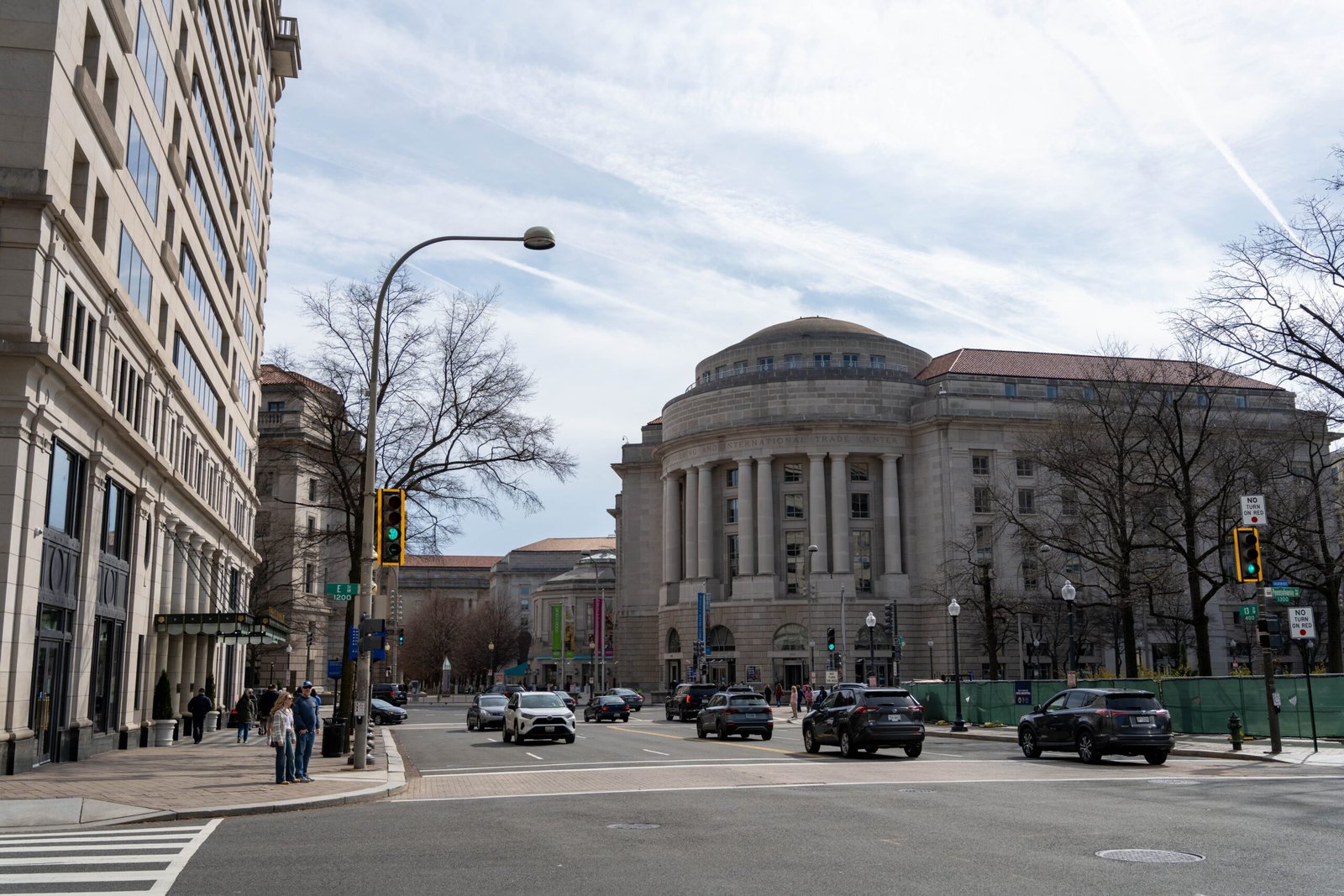
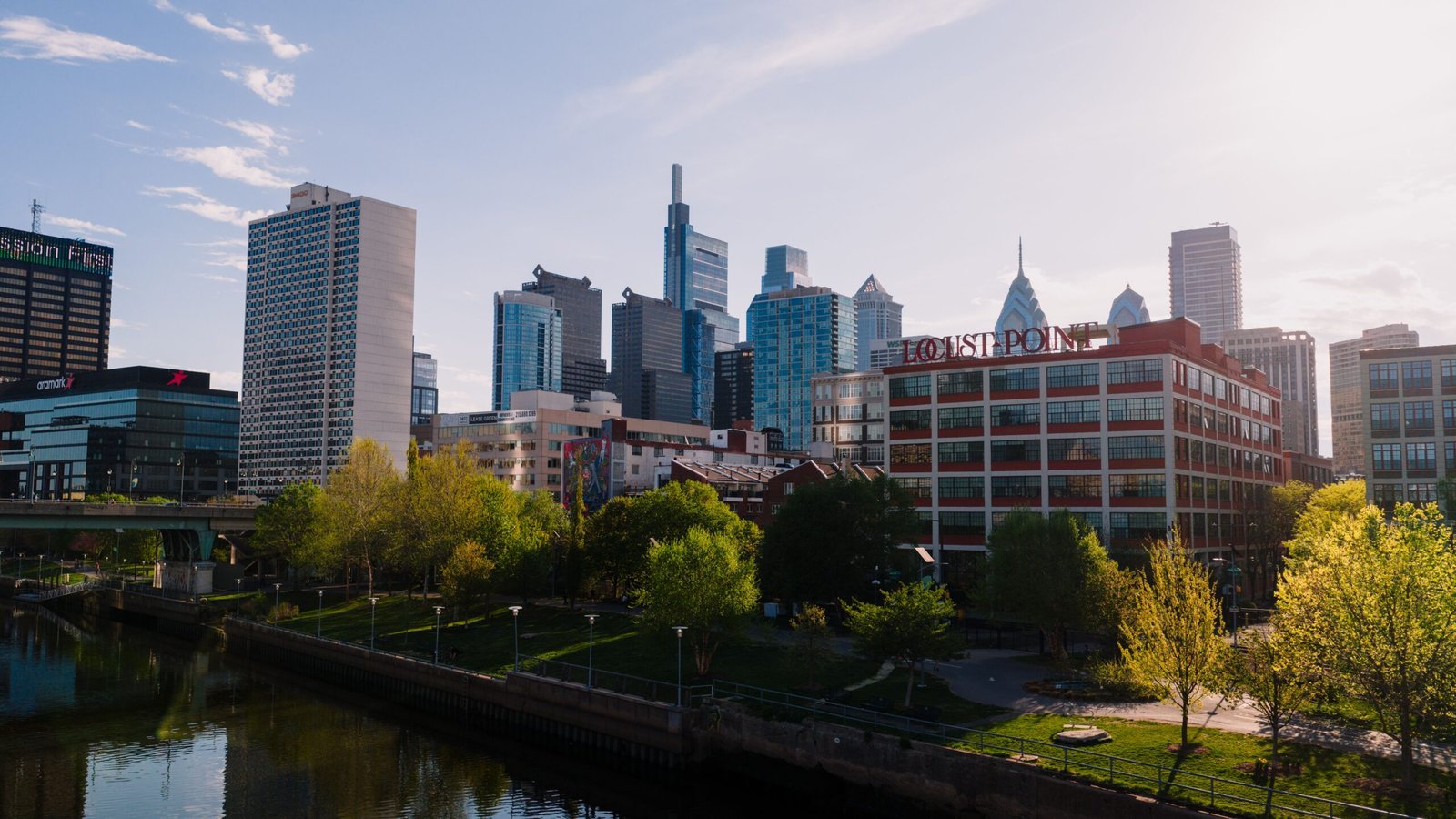
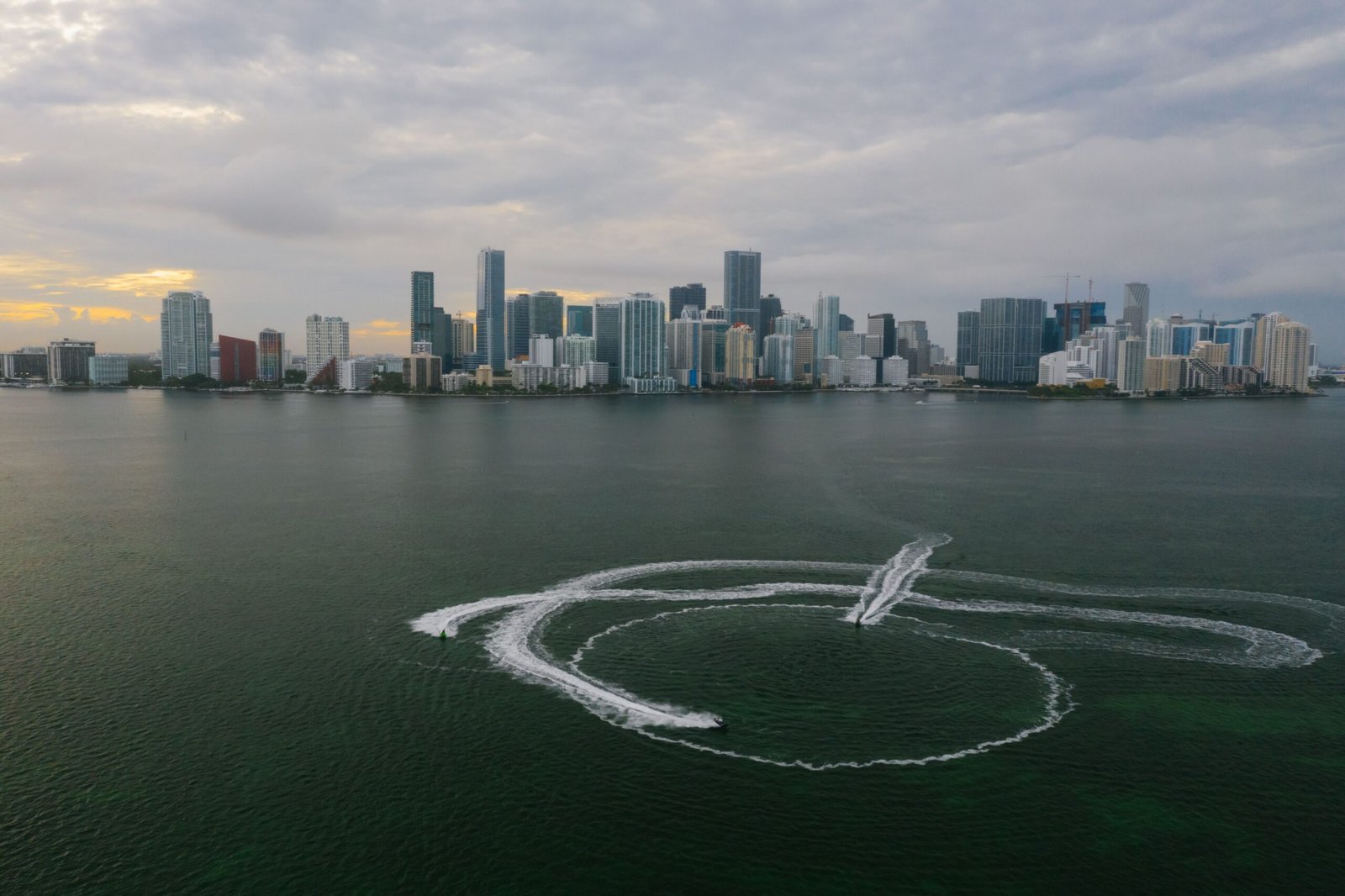
Famous Places in the USA







Famous Healthcare Organisations & Hospitals
The United States has a large network of hospitals, healthcare systems, academic medical centres, specialty hospitals and healthcare providers.
Well-Known U.S. Healthcare Institutions
- Mayo Clinic
- Cleveland Clinic
- Johns Hopkins Medicine
- Massachusetts General Hospital
- NewYork-Presbyterian Hospital
- UCLA Health
- Stanford Health Care
- Cedars-Sinai
- NYU Langone Health
- Houston Methodist
- Mount Sinai Health System
- Northwestern Medicine
International candidates may also find opportunities with regional hospitals, community hospitals, long-term care providers, rehabilitation facilities, outpatient healthcare organisations and other eligible employers.
Important: Availability of vacancies, sponsorship and specific nursing roles varies by employer, state and candidate profile.
Opportunities for International Nurses
The United States offers nursing opportunities across a wide range of healthcare environments.
International candidates may explore roles in:
- Hospitals
- Medical-surgical units
- Intensive Care Units
- Emergency Departments
- Operating Rooms
- Paediatric departments
- Maternity and women’s health
- Oncology
- Cardiac care
- Mental health
- Rehabilitation
- Long-term care
- Skilled nursing facilities
- Community healthcare
- Outpatient facilities
- Home healthcare
- Specialty healthcare centres
The availability of a particular role depends on the candidate’s education, licensure, clinical experience, employer requirements and state-specific regulations.
Nursing Jobs in the USA
Common Job Roles
Registered Nurse (RN)
Registered Nurses provide direct patient care across hospitals, clinics, healthcare facilities and community settings.
Staff Nurse
Staff nurses provide patient care within hospital departments and other healthcare facilities.
Charge Nurse
Experienced nurses may take responsibility for coordinating patient care and supervising nursing teams within a department.
Clinical Nurse
Clinical nurses work in specialised healthcare environments and may develop expertise in specific patient populations or clinical areas.
Specialty Nurse
Opportunities may exist in areas such as:
- Critical Care
- Emergency Nursing
- Paediatrics
- Oncology
- Mental Health
- Operating Room
- Cardiac Care
- Medical-Surgical Nursing
- Maternal & Child Health
- Geriatric Nursing
Advanced Nursing Roles
Experienced nurses who meet additional education, certification and state requirements may pursue advanced nursing roles such as Nurse Practitioner, Clinical Nurse Specialist or other advanced practice positions.
Salary Expectations
Nursing salaries in the United States vary according to:
- State
- City
- Employer
- Healthcare setting
- Clinical speciality
- Experience
- Education
- Shift
- Certifications
- Cost of living
According to the U.S. Bureau of Labor Statistics, the median annual wage for Registered Nurses was $97,550 in May 2025. The lowest 10% earned less than $68,940, while the highest 10% earned more than $137,470.
Typical Salary Range
| Experience / Position | Approximate Annual Salary |
|---|---|
| Entry-Level RN | $65,000 – $85,000+ |
| Experienced RN | $80,000 – $105,000+ |
| Specialty RN | $90,000 – $120,000+ |
| Senior / Advanced Roles | $110,000+ |
Note: These are indicative ranges for website information only. Actual compensation varies significantly by state, employer, speciality, experience, shift differentials and local market conditions. Candidates should verify the salary stated in their individual employment offer.
Working Hours
U.S. nurses generally work according to the schedule and contractual arrangements of their employer.
Nursing roles may involve:
- Day shifts
- Night shifts
- Weekend shifts
- Rotational shifts
- 8-hour shifts
- 10-hour shifts
- 12-hour shifts
- On-call arrangements
Hospital and nursing-care roles commonly use shift schedules to provide 24-hour patient coverage.
Some hospital nurses may work three 12-hour shifts per week, while other employers may use different scheduling models.
Actual working hours depend on the employer, department, employment contract and state requirements.
Overtime Opportunities
Overtime availability depends on the employer, department, staffing requirements and applicable employment rules.
Nurses may have opportunities to work:
- Additional shifts
- Weekend shifts
- Night shifts
- Holiday shifts
- Extra hours
- Per-diem or PRN shifts
- On-call assignments
Additional compensation may be available depending on the employer’s policies and applicable regulations.
Candidates should always review overtime rates, shift differentials and other compensation terms in their employment agreement.
Eligibility for International Nurses
Eligibility for U.S. nursing employment depends on the candidate’s education, professional background, state nursing board requirements, employer requirements and applicable immigration rules.
Candidates generally need:
- Recognised nursing qualification
- Valid passport
- Academic transcripts
- Nursing education documents
- Nursing registration documents
- Relevant clinical experience where required
- English language proficiency where applicable
- Credential evaluation where required
- NCLEX-RN eligibility
- NCLEX-RN qualification/pass
- State nursing licensure or eligibility for licensure
- Required healthcare worker certification where applicable
- Employment documentation
- Background checks
- Other state or employer-specific requirements
The U.S. nursing licensing process is state-specific. All U.S. boards of nursing use the NCLEX-RN for registered nurse licensure, but individual state requirements can differ.
Accommodation in the USA
Accommodation costs vary significantly across states and cities.
1. Shared Accommodation
Approximate monthly cost: $600 – $1,200+ per month
2. Private Room / Studio
Approximate monthly cost: $900 – $1,800+ per month
3. One-Bedroom Apartment
Approximate monthly cost: $1,200 – $2,500+ per month
Important
Rental prices can vary significantly depending on:
- State
- City
- Neighbourhood
- Distance from workplace
- Property type
- Utilities
- Furnished/unfurnished accommodation
Major cities such as New York, San Francisco, Boston and parts of California can have substantially higher housing costs than smaller cities and towns.
Candidates should consider: Rent + Utilities + Internet + Transportation + Health Insurance + Other Living Expenses when planning their monthly budget.
Local Transport
Transportation options vary by city and state.
Available Options
- City buses
- Metro / Subway
- Commuter trains
- Light rail
- Taxis
- Ride-hailing services
- Rental cars
- Personal vehicles
- Cycling
- Walking
Major cities such as New York, Boston, Chicago and Washington, D.C. have extensive public transportation systems.
In many suburban and smaller U.S. communities, however, having access to a car may be more practical.
Food for Indian Professionals
The United States has a large multicultural population, making it relatively easy for Indian professionals to find familiar food and ingredients in many cities.
Indian restaurants, grocery stores and supermarkets are widely available in major metropolitan areas and communities with large South Asian populations.
Vegetarian Options for Indians
Common options include:
- Dal
- Rice
- Roti
- Naan
- Paneer
- Vegetable curries
- Chole
- Rajma
- Samosa
- Dosa
- Idli
- South Indian meals
- Vegetarian biryani
- Vegetarian thali
Indian grocery stores also commonly provide spices, pulses, rice, atta, pickles and other familiar ingredients.
Non-Vegetarian Options for Indians
Common options include:
- Chicken curry
- Chicken tikka
- Tandoori chicken
- Chicken biryani
- Mutton/lamb curry
- Fish curry
- Kebabs
- Grilled chicken
- Seafood
Halal and other dietary options are also available in many U.S. cities.
USA Work Visa Options
The immigration pathway for international nurses is different from the UK and depends on the candidate’s circumstances, employer, occupation, state licensure and visa availability.
EB-3 Employment-Based Immigration
For professional nurses, EB-3 employment-based immigration is an important pathway that may be used by eligible nurses with a qualifying U.S. employer.
Professional nurses are included within the Department of Labor’s Schedule A occupations, which has specific procedures for qualifying professional nurse petitions. USCIS guidance identifies professional nurses within Schedule A and recognises qualifying routes involving CGFNS certification, a full unrestricted state nursing license, or passage of the NCLEX-RN.
A typical employment-based nursing pathway may involve:
U.S. Employer
↓
Job Offer
↓
Schedule A / EB-3 Process
↓
I-140 Immigrant Petition
↓
Priority Date
↓
Visa Availability
↓
Immigrant Visa / Adjustment Process
↓
U.S. Permanent Residence
Important
EB-3 visa availability is subject to annual numerical limits and country-specific priority dates.
For example, the September 2026 Visa Bulletin lists a separate EB-3 Final Action Date for India of 15 January 2014, demonstrating that Indian applicants can face a significant visa-number backlog. Visa dates can move forward, retrogress or become unavailable depending on demand and annual limits.
Therefore, job placement, sponsorship, visa issuance and permanent residence cannot be guaranteed within a fixed timeframe.
Work Visa Duration
The duration of employment in the United States depends on the immigration category under which the candidate enters the country.
For employment-based immigrant pathways such as EB-3, the objective is generally permanent employment and, subject to eligibility and visa availability, permanent residence rather than a simple fixed-term work visa.
Other temporary employment categories may have different validity periods and eligibility requirements.
Candidates should receive individual immigration advice based on their specific circumstances.
Permanent Residency / Green Card
Unlike the UK, the United States commonly uses the term Green Card for lawful permanent residence.
Eligible international nurses may pursue permanent residence through employment-based immigration pathways such as EB-3, subject to:
- Qualifying employment
- Employer sponsorship
- Immigration eligibility
- Required documentation
- Priority date
- Visa availability
- Admissibility requirements
- Other applicable immigration rules
Professional nurses are included among Schedule A occupations under the U.S. employment-based immigration framework.
Green Card Eligibility
Eligibility may involve requirements relating to:
- Recognised professional nursing qualification
- U.S. nursing licensure or eligibility
- NCLEX-RN
- Required credential evaluation
- Healthcare-worker certification where applicable
- Qualifying U.S. employment
- Employer sponsorship
- Immigration petition approval
- Visa availability
- Medical examination
- Background/security checks
- Immigration admissibility
- Other applicable U.S. immigration requirements
Expected Immigration Timeline
A typical employment-based nursing pathway may look like:
Profile Assessment
↓
Credential Evaluation
↓
English / NCLEX-RN
↓
State Licensure
↓
U.S. Job Offer
↓
Employer Sponsorship
↓
I-140 / Immigration Process
↓
Priority Date & Visa Availability
↓
Immigrant Visa Processing / Adjustment of Status
↓
Relocation to the USA
The actual timeline can vary substantially. In particular, visa-number availability can affect the final stage for candidates from countries with significant employment-based backlogs, including India.
Documents Required
The exact document list depends on the candidate, state board, credentialing organisation, employer and immigration pathway.
Common Documents
- Valid Passport
- Nursing Qualification Certificates
- Nursing Registration Documents
- Academic Transcripts
- Experience Certificates
- Professional References
- English Language Test Certificate, where applicable
- Credential Evaluation Documents
- NCLEX-RN Documents
- State Board Documents
- VisaScreen® / healthcare-worker certification, where applicable
- Employment Offer
- Employer Sponsorship Documents
- Immigration Petition Documents
- Police Clearance / Background Documents where required
- Medical Examination Documents
- Birth Certificate
- Marriage Certificate, where applicable
- Other immigration documents
Candidates should always verify the latest requirements with the relevant State Board of Nursing, U.S. immigration authorities and credentialing organisations.
USA Nursing Recruitment Intake
Recruitment Throughout the Year
Unlike university admissions, U.S. nursing recruitment does not follow one fixed annual intake.
Job opportunities are primarily based on:
- Current vacancies
- Employer requirements
- State licensure
- Candidate eligibility
- Clinical experience
- Employer recruitment cycles
- Immigration processing
- Visa availability
International candidates can begin their profile assessment and placement process throughout the year.
Once a candidate meets the required eligibility criteria and completes the necessary documentation, their profile can be considered for suitable opportunities as vacancies become available.
How the Recruitment Cycle Works
1. Profile Registration
Submit your professional and educational details for an initial assessment.
2. Eligibility & Document Verification
Your nursing qualification, experience, registration, English-language requirements and other documents are reviewed.
3. State & Pathway Assessment
Identify suitable state licensure and potential employment/immigration pathways based on your profile.
4. NCLEX & Licensure
Complete the applicable NCLEX-RN and state licensing requirements.
5. Vacancy Matching
Your profile may be matched with suitable U.S. nursing opportunities based on your qualifications, experience, licensure and employer requirements.
6. Interview & Selection
Shortlisted candidates may participate in employer interviews and clinical discussions.
7. Job Offer & Sponsorship
Selected candidates may receive an employment offer and proceed with the applicable employer-sponsored immigration process.
8. Visa / Immigration Processing
Complete the applicable immigration, credentialing and visa procedures.
9. Relocation to the USA
After the necessary approvals and formalities, candidates can prepare for relocation and joining.
Important Note
U.S. nursing recruitment and immigration timelines vary significantly based on candidate eligibility, state licensing requirements, employer vacancies, credential evaluation, immigration processing and visa availability.
There is no guarantee of a fixed monthly intake, job offer, employer sponsorship, visa approval or Green Card approval.
All recruitment and immigration processes are subject to employer requirements, candidate eligibility, applicable U.S. regulations and prevailing visa availability.
Your USA Nursing Career Journey
01 — Profile Assessment
Understand your qualifications, experience and eligibility for the U.S. pathway.
02 — Career Counselling
Identify suitable nursing career and immigration pathways.
03 — Credential Evaluation
Complete applicable academic and professional credential verification.
04 — NCLEX-RN Preparation
Prepare for the U.S. nursing licensure examination.
05 — State Licensure
Complete the applicable State Board of Nursing requirements.
06 — CV & Profile Building
Create a professional U.S.-focused nursing profile.
07 — Job Search
Explore suitable U.S. nursing vacancies based on your profile.
08 — Interview Preparation
Prepare for employer interviews and clinical discussions.
09 — Job Offer & Sponsorship
Proceed with employer recruitment and the applicable sponsorship process.
10 — Visa & Relocation
Complete the immigration process and prepare for your move to the USA.
11 — Start Your Career
Begin your professional nursing journey in the United States.
Metier Brochure
Download the brochure of USA Pathway using the below button.
Download Brochure
Start Your USA Nursing Career
Your U.S. Nursing Career Could Begin With One Conversation.
Explore your eligibility, understand the U.S. nursing pathway and discover the career opportunities available for your professional profile.
Get Your USA Career Assessment
Talk to Our Career Counsellor
Job availability, salary, employer sponsorship, state licensure, immigration eligibility, visa availability, accommodation costs and immigration timelines are subject to employer policies, state requirements and the latest U.S. regulations. Placement support does not guarantee employment, visa approval or Green Card approval.
FAQs
Qualified nurses with recognised nursing education may explore U.S. nursing opportunities, subject to state nursing board, employer, licensure and immigration requirements.
Yes. Indian-trained nurses can pursue U.S. nursing licensure and employment pathways if they meet the applicable education, credentialing, NCLEX-RN, state licensure and immigration requirements.
Eligibility depends on the candidate’s educational credentials and the requirements of the selected State Board of Nursing. Requirements vary by state, so a profile assessment is recommended before beginning the process.
Yes. B.Sc. Nursing graduates may pursue U.S. nursing licensure and employment pathways, subject to credential evaluation, state requirements, NCLEX-RN and other applicable conditions.
Work-experience requirements vary by employer, state and recruitment pathway. Some employers may prefer or require relevant clinical experience.
English-language requirements can depend on the State Board, credentialing organisation and immigration pathway. Candidates should verify the requirements applicable to their specific pathway.
Generally, internationally educated nurses seeking U.S. RN licensure need to meet the applicable state requirements and pass the NCLEX-RN. All U.S. boards of nursing use NCLEX-RN for RN licensure.
Yes. Nursing licensure in the United States is handled by individual State Boards of Nursing, and requirements vary by state.
Opportunities may be available in medical-surgical nursing, critical care, emergency nursing, paediatrics, oncology, operating rooms, mental health, rehabilitation, long-term care and other nursing specialties.
Metier can provide career guidance, profile assessment and placement support for eligible candidates. However, employment depends on employer vacancies, candidate eligibility, selection and applicable licensing and immigration requirements.
The U.S. Bureau of Labor Statistics reported a median annual wage of $97,550 for Registered Nurses in May 2025. Actual salaries vary by state, employer, speciality, experience and location.
Nursing schedules vary by employer. Hospital nurses commonly work shifts, including day, night, weekend and holiday shifts. Some positions use three 12-hour shifts per week, while others use different schedules.
Overtime opportunities may be available depending on the employer, staffing requirements, employment contract and applicable regulations.
Some employers may sponsor eligible international nurses, but sponsorship is employer-specific and cannot be guaranteed.
Employment-based immigration, including the EB-3 pathway for professional nurses, can be an important route for eligible nurses. Professional nurses are included in Schedule A.