



Build Your Future with a Globally Recognised Australian Education
Explore high-quality universities, practical learning opportunities and a welcoming multicultural environment with an internationally recognised qualification from Australia. At Metier International Academy, we help students explore suitable courses and institutions, understand admission requirements, prepare applications and receive guidance throughout their Australia study abroad journey.
Australia is a popular destination for international students seeking quality education, practical learning and a multicultural study environment. Australian universities, vocational institutions and higher education providers offer a wide range of programmes across business, engineering, information technology, healthcare, design, hospitality, science and other disciplines.
The Australian education system focuses on academic knowledge, practical skills, independent learning and industry engagement. Students may also benefit from internships, work-integrated learning, research opportunities and career development services, depending on their course and institution.
Australia offers study options in major cities as well as regional locations. Students can select an institution based on their academic background, career plans, budget, preferred lifestyle and future goals.
Why Study in Australia?
Key Advantages
Globally Recognised Qualifications
Australian universities and education providers offer qualifications recognised by employers and institutions in many countries.
Practical and Industry-Focused Learning
Many courses combine classroom learning with practical projects, laboratory work, industry placements and real-world assignments.
Wide Range of Courses
Students can choose from undergraduate, postgraduate, research, vocational education and English language programmes.
Multicultural Environment
Australia welcomes students from different countries and provides opportunities to interact with people from diverse cultural backgrounds.
High-Quality Education System
Australian institutions are known for academic standards, student support services, research facilities and modern learning environments.
Research Opportunities
Students may explore research projects, laboratories, innovation centres and academic collaborations, depending on their programme.
Work-Integrated Learning
Selected courses include internships, industry projects, placements or other practical learning opportunities.
Student Support Services
Many institutions offer international student orientation, academic support, career guidance, counselling and accommodation assistance.
Lifestyle and Natural Environment
Australia offers a combination of modern cities, beaches, national parks, outdoor activities and a relaxed lifestyle.
Life in Australia
Australia is known for its multicultural society, modern cities and outdoor lifestyle.
Students can choose to study in metropolitan areas, suburban locations or regional towns. Living costs vary according to the city, accommodation type, transport requirements and personal lifestyle.
Campus life may include:
- Student clubs and societies
- Sports facilities
- Cultural events
- Academic workshops
- Career fairs
- Student support services
- Libraries and research centres
- International student communities
- Volunteering opportunities
Australian institutions generally provide orientation programmes to help international students understand academic expectations, campus facilities and local services.
Culture & Language
Culture
Australian society is multicultural and includes people from a wide range of backgrounds. Students may experience a friendly, informal and diverse social environment.
Academic participation often includes:
- Classroom discussions
- Group projects
- Presentations
- Independent research
- Practical assignments
- Problem-solving activities


Language
English is the main language of instruction at Australian universities and colleges.
International students may need to demonstrate English language proficiency through tests such as:
- IELTS
- TOEFL iBT
- PTE Academic
- Cambridge English
The accepted test and minimum score depend on the institution, course and visa requirements.



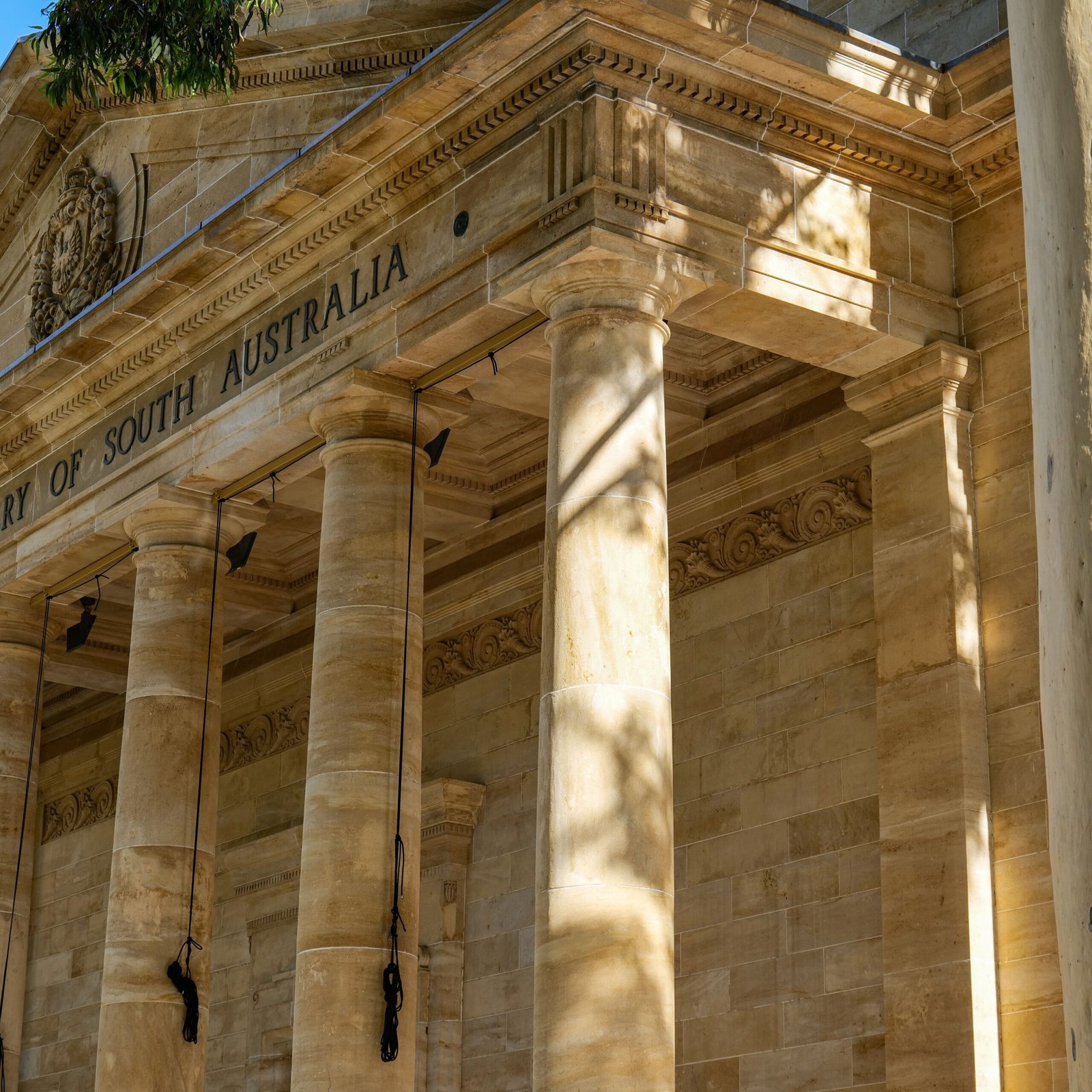
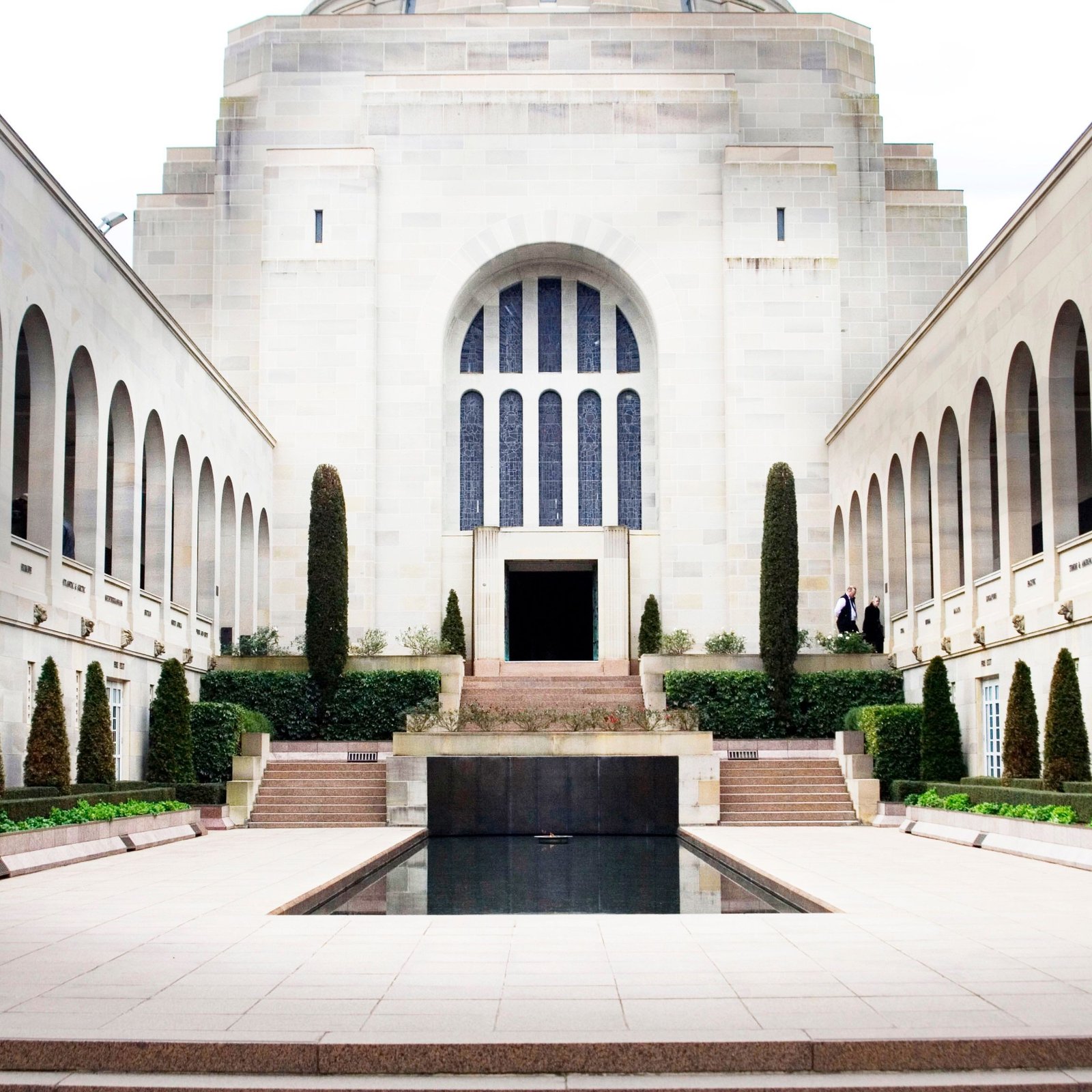

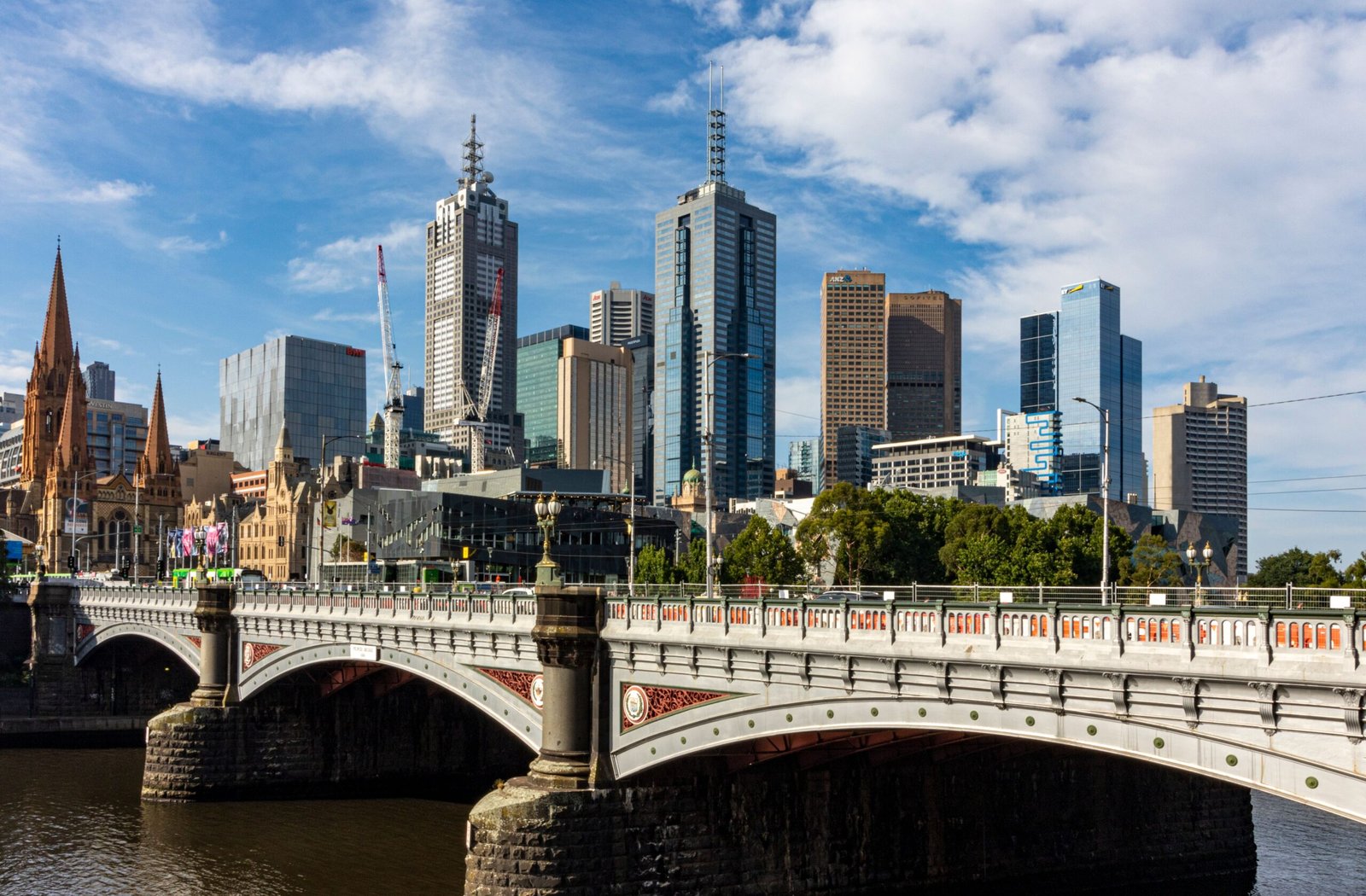



Famous Universities in Australia
Australia has a range of universities and higher education institutions offering programmes across different academic disciplines.
Examples of well-known institutions include:
- University of Melbourne
- University of Sydney
- Australian National University
- University of Queensland
- Monash University
- University of New South Wales
- University of Western Australia
- University of Adelaide
- University of Technology Sydney
- RMIT University
- Deakin University
- Macquarie University
- Queensland University of Technology
- University of Wollongong
- La Trobe University
- Curtin University
- Griffith University
- University of South Australia
- University of Tasmania
- Western Sydney University
Admission requirements, tuition fees and course availability vary by institution. Students should select universities according to their academic profile, career goals, preferred location and budget.
Study Options in Australia
Undergraduate Programmes
Bachelor’s degree programmes commonly take three to four years, although some professional courses may require additional time.
Popular undergraduate options include:
- Bachelor of Business
- Bachelor of Commerce
- Bachelor of Computer Science
- Bachelor of Engineering
- Bachelor of Nursing
- Bachelor of Information Technology
- Bachelor of Design
- Bachelor of Science
- Bachelor of Education
- Bachelor of Psychology
Postgraduate Programmes
Master’s degrees generally take one to two years, depending on the course and previous qualifications.
Examples include:
- Master of Business Administration
- Master of Information Technology
- Master of Data Science
- Master of Engineering
- Master of Public Health
- Master of Project Management
- Master of Professional Accounting
- Master of Education
- Master of Social Work
- Master of Nursing
Graduate Certificate and Graduate Diploma
Graduate certificates and graduate diplomas may be suitable for students seeking specialised knowledge or an additional qualification in a particular field.
Doctoral Programmes
Doctoral programmes are designed for students interested in advanced research and academic or professional specialisation.
Admission may require:
- A relevant master’s degree
- Research proposal
- Academic transcripts
- Recommendation letters
- Statement of purpose
- Research experience
- Academic publications, where applicable
Vocational Education and Training
Australia offers vocational education and training programmes through registered institutions.
Popular areas include:
- Business
- Hospitality
- Information technology
- Community services
- Early childhood education
- Construction
- Automotive studies
- Cookery
- Tourism
- Aged care
English Language Programmes
Students may also choose English language programmes for academic, professional or general communication purposes.
The appropriate visa category depends on the type and duration of the course.
Foundation and Pathway Programmes
Foundation and pathway programmes may help students meet academic or English language requirements before progressing to a degree programme.
Popular Courses to Study in Australia
Business and Management
- Business Administration
- Commerce
- Finance
- Marketing
- International Business
- Entrepreneurship
- Business Analytics
- Project Management
- Human Resource Management
- Supply Chain Management
Engineering
- Civil Engineering
- Mechanical Engineering
- Electrical Engineering
- Electronics Engineering
- Chemical Engineering
- Mining Engineering
- Environmental Engineering
- Biomedical Engineering
- Aerospace Engineering
Computer Science and Information Technology
- Computer Science
- Information Technology
- Data Science
- Artificial Intelligence
- Cybersecurity
- Software Engineering
- Cloud Computing
- Information Systems
- Business Analytics
- Game Development
Healthcare and Life Sciences
- Nursing
- Public Health
- Biotechnology
- Biomedical Science
- Pharmacy
- Physiotherapy
- Occupational Therapy
- Nutrition
- Health Administration
- Medical Laboratory Science
Education
- Early Childhood Education
- Primary Education
- Secondary Education
- Special Education
- Educational Leadership
- Teaching and Learning
Arts and Design
- Graphic Design
- Interior Design
- Fashion Design
- Fine Arts
- Animation
- Film and Television
- Media and Communication
- Digital Design
Hospitality and Tourism
- Hospitality Management
- Hotel Management
- Tourism Management
- Event Management
- Culinary Arts
- Travel Management
Social Sciences and Humanities
- Psychology
- Sociology
- Social Work
- International Relations
- Economics
- Political Science
- Anthropology
- Development Studies
Tuition Fees in Australia
Tuition fees depend on the institution, course, level of study and location.
| Study Level | Indicative Annual Tuition |
|---|---|
| Vocational Education and Training | AUD 4,000–22,000 |
| Undergraduate Programme | AUD 20,000–50,000+ |
| Master’s Programme | AUD 22,000–55,000+ |
| Doctoral Programme | Varies by university and funding |
| English Language Programme | Depends on duration and institution |
These figures are indicative only. Actual fees may vary, and students should confirm the latest tuition fees and additional charges directly with the institution.
The total education budget may include:
- Tuition fees
- Application fees
- Student service fees
- Overseas Student Health Cover
- Books and study materials
- Accommodation
- Food
- Local transport
- Personal expenses
- Visa-related charges
- Travel expenses
Scholarships and Financial Support
Some Australian universities and education providers offer scholarships to international students.
Possible funding options include:
- Academic merit scholarships
- International student scholarships
- Research scholarships
- University-specific grants
- Faculty scholarships
- Tuition fee reductions
- Research training support
- Government or external scholarships
Scholarship eligibility may depend on academic performance, course, nationality, study level and application timing.
Students should check the scholarship conditions, closing dates and required documents before applying.
Accommodation in Australia
International students can choose from different accommodation options.
On-Campus Accommodation
Some universities provide student residences, apartments or residential colleges.
Advantages may include:
- Proximity to classrooms
- Campus facilities
- Student community
- Security and support services
- Easier participation in campus activities
Purpose-Built Student Accommodation
Purpose-built student residences may offer:
- Furnished rooms
- Shared kitchens
- Study areas
- Laundry facilities
- Common rooms
- Fitness facilities
- Social activities
Shared Apartments
Students may rent an apartment with other students or working professionals.
Private Rental
Students may also choose a private apartment or house, depending on their budget and location.
Homestay
Homestay accommodation allows students to live with an Australian family or approved household.
Accommodation costs vary according to the city, location, room type and facilities provided.
Living Costs in Australia
Living expenses depend on the city, accommodation type and personal lifestyle.
Students should budget for:
- Rent
- Food and groceries
- Utilities
- Internet and mobile services
- Transport
- Health insurance
- Books and study materials
- Clothing
- Personal expenses
- Emergency funds
Major cities such as Sydney and Melbourne may have higher living costs than some regional locations. Students should prepare a realistic monthly budget before choosing a university and accommodation.
Local Transport
Australia offers several transport options for students.
Depending on the city, students may use:
- Buses
- Trains
- Trams
- Ferries
- Light rail
- Bicycles
- Walking
- Ride-sharing services
Many universities provide campus shuttle services or are located near public transport routes.
Students should check available transport options and concession fares in their selected state or territory.
Food Options for Indian Students
Australia offers a wide range of food options for international students.
Vegetarian Options
Students can find:
- Vegetarian sandwiches
- Salads
- Rice and vegetable bowls
- Pasta
- Pizza
- Vegetarian burgers
- Mexican food
- Asian food
- Indian vegetarian meals
- Grocery products suitable for vegetarian diets
Indian Food
Indian restaurants, grocery stores and South Asian communities are available in many Australian cities.
Students may also prepare their own meals in shared kitchens or student accommodation.
Admission Requirements
Admission requirements depend on the university, course and study level.
Undergraduate Admission
Common requirements may include:
- Class 12 certificates and transcripts
- Academic mark sheets
- Valid passport
- English language test score
- Statement of purpose, where required
- Portfolio, for selected courses
- Recommendation letters, where required
- Proof of financial support
- Any course-specific prerequisites
Postgraduate Admission
Common requirements may include:
- Bachelor’s degree
- Academic transcripts
- English language test score
- Statement of purpose
- Updated CV or resume
- Recommendation letters
- Relevant work experience, where required
- Portfolio or writing sample, where applicable
Doctoral Admission
Doctoral applicants may need:
- Relevant academic qualifications
- Research proposal
- Academic transcripts
- Statement of purpose
- Recommendation letters
- Research experience
- Publications, where applicable
- Supervisor approval or interview
Requirements vary by institution. Students should check the official programme page before submitting an application.
How the Australian University Admission Process Works
Step 1: Profile Assessment
Review your academic qualifications, English language ability, career goals and preferred study level.
Step 2: Course and University Selection
Identify suitable institutions based on:
- Course content
- Entry requirements
- Tuition fees
- Location
- Scholarships
- Internship opportunities
- Career services
- Accreditation
- Student support
- Future career plans
Step 3: English Language Preparation
Prepare for IELTS, PTE Academic, TOEFL iBT or another accepted English language test, if required.
Step 4: Document Preparation
Prepare academic certificates, transcripts, passport, English test results, statement of purpose and other required documents.
Step 5: Submit Applications
Submit applications through the university portal, education provider or approved application channel.
Step 6: Receive Admission Decision
The institution may issue an offer letter, conditional offer or request additional documents.
Step 7: Accept the Offer
Accept the offer and pay the required deposit or tuition amount, if applicable.
Step 8: Receive Confirmation of Enrolment
After completing the required admission and payment procedures, the institution may issue a Confirmation of Enrolment, commonly known as a CoE.
Step 9: Arrange Overseas Student Health Cover
Students generally need suitable Overseas Student Health Cover for the required period.
Step 10: Apply for the Student Visa
Prepare the required documents and submit the student visa application.
Documents Required
Students may need the following documents during the admission and visa process:
- Valid passport
- Academic certificates
- Academic transcripts
- English language test score
- Statement of purpose
- Updated CV or resume
- Letters of recommendation
- Portfolio, where required
- Work experience documents, where applicable
- Offer letter
- Confirmation of Enrolment
- Overseas Student Health Cover details
- Financial documents
- Bank statements
- Education loan documents, if applicable
- Scholarship or sponsorship documents
- Visa application documents
- Health examination documents, if required
The exact document list depends on the institution, course and visa requirements.
Australia Student Visa
Subclass 500 Student Visa
The Subclass 500 Student visa is generally used by international students who want to study an eligible course in Australia.
The visa may allow eligible students to:
- Study in Australia
- Include eligible family members
- Work subject to visa conditions
- Stay in Australia for the authorised period
- Participate in eligible education or training
Students must meet the applicable visa requirements and comply with all visa conditions.
Australia Student Visa Requirements
Applicants may need to demonstrate:
- Admission to an eligible course
- Confirmation of Enrolment
- Genuine Student requirement
- English language ability, where applicable
- Financial capacity
- Appropriate health insurance
- Health and character requirements
- Valid passport
- Any additional documents requested by the Department of Home Affairs
The Genuine Student requirement considers whether studying in Australia is the applicant’s primary reason for applying for the student visa.
Requirements may differ depending on the applicant’s circumstances, nationality, course and education provider.
Australia Student Visa Application Process
Step 1: Receive Admission
Obtain an offer from an eligible Australian education provider.
Step 2: Accept the Offer
Accept the offer and complete the required payment procedures.
Step 3: Receive Confirmation of Enrolment
Obtain the Confirmation of Enrolment issued by the institution.
Step 4: Arrange Health Insurance
Arrange Overseas Student Health Cover for the required period.
Step 5: Prepare Visa Documents
Prepare financial, academic, identity, health and other required documents.
Step 6: Create an ImmiAccount
Create an account through the Australian Department of Home Affairs visa application system.
Step 7: Submit the Application
Complete the online student visa application and upload the required documents.
Step 8: Complete Additional Requirements
Complete biometrics, medical examinations or additional requests if instructed.
Step 9: Receive the Visa Decision
The Department of Home Affairs will assess the application and issue a decision.
Students should apply early because processing times may vary.
Student Visa Financial Requirements
Applicants may need to show that they have sufficient funds to cover relevant expenses, which may include:
- Travel to Australia
- Tuition fees
- Living costs
- Accommodation
- Schooling costs for eligible dependants
- Other required expenses
The amount required depends on the applicant’s circumstances, course duration, family situation and current visa rules.
Students should check the latest financial requirements before submitting their application.
Student Visa Work Rights
Eligible student visa holders may be permitted to work subject to visa conditions.
Work rights may depend on:
- Visa conditions
- Course status
- Study period
- Course level
- Applicable government rules
Students must check their visa conditions before starting employment.
Unauthorised work or exceeding permitted working hours may affect visa compliance.
Post-Study Work Opportunities
Eligible graduates may be able to explore post-study work options under Australia’s temporary graduate visa arrangements or other applicable visa pathways.
Eligibility may depend on:
- Qualification
- Course and institution
- Study requirements
- Age
- English language ability
- Visa history
- Current immigration rules
- Other specified conditions
A student visa does not automatically lead to permanent residence.
Students interested in future migration options should obtain current advice from an authorised migration professional.
Permanent Residence in Australia
Studying in Australia does not automatically guarantee permanent residence.
Some graduates may later explore eligible pathways based on:
- Skilled employment
- State or territory nomination
- Employer sponsorship
- Regional pathways
- Partner or family-based categories
- Other eligible visa options
Eligibility, occupation lists, points requirements and visa conditions may change over time.
Students should treat permanent residence as a separate immigration process and review the current requirements before making decisions.
Australia Study Abroad Intakes
Australian institutions may offer several intakes each year.
February Intake
The February intake is one of the major intakes and may provide a wide range of courses.
Application Period
Students should generally begin preparing several months before the intake, depending on the course and institution.
July Intake
The July intake is another major intake and may be suitable for students who miss the February intake.
Application Period
Application deadlines vary by institution and course.
September or October Intake
Some universities and colleges offer selected courses during September or October.
Availability depends on the institution and programme.
Rolling Admissions
Some education providers accept applications throughout the year, subject to available places and course deadlines. Students should apply early to allow time for admission, financial planning, visa processing and travel arrangements.
Recommended Application Timeline
12–18 Months Before Departure
- Select the preferred study level
- Research courses and universities
- Check eligibility
- Prepare for English language tests
- Review tuition and living costs
9–12 Months Before Departure
- Take required tests
- Prepare academic documents
- Shortlist institutions
- Research scholarships
- Submit applications
6–9 Months Before Departure
- Review admission decisions
- Accept the offer
- Arrange finances
- Pay the required deposit
- Receive Confirmation of Enrolment
3–6 Months Before Departure
- Arrange health insurance
- Apply for the student visa
- Arrange accommodation
- Plan travel
- Complete pre-departure preparations
Why Choose Metier International Academy?
At Metier International Academy, students receive guidance at different stages of their Australia study abroad journey.
Our support may include:
- Academic profile assessment
- Course and university selection
- Eligibility evaluation
- Application guidance
- Document preparation
- Statement of purpose guidance
- Scholarship information
- Financial planning support
- Admission application assistance
- Student visa guidance
- Pre-departure counselling
Our objective is to help students understand their options and prepare for their international education journey.
Your Australia Study Abroad Journey
Step 1: Counselling
Discuss your academic background, career goals, preferred course and budget.
Step 2: Profile Evaluation
Review your qualifications and identify suitable study options.
Step 3: University Shortlisting
Select institutions according to your academic and financial preferences.
Step 4: Application Preparation
Prepare and submit the required documents and applications.
Step 5: Admission Support
Review offers and complete the admission confirmation process.
Step 6: Visa Guidance
Prepare for the Confirmation of Enrolment, health insurance and student visa process.
Step 7: Pre-Departure Support
Receive guidance on accommodation, travel, finances and arrival preparations.
Metier Brochure
Download the brochure of the Australia Study Abroad pathway using the button below.
Download Brochure
Get Your Australia Study Abroad Counselling
Planning to study in Australia?
Speak with our counsellors to understand your course options, university requirements, admission process and student visa pathway.
Book Your Free Counselling Session Today
Disclaimer: Admission decisions, scholarship availability, visa approvals, tuition fees and immigration outcomes are determined by the relevant institutions and government authorities. Information provided on this page is for general guidance and may change according to current policies and institutional requirements.
FAQs
Australia offers internationally recognised qualifications, practical learning, multicultural campuses and a wide range of courses.
Popular courses include business, engineering, information technology, data science, healthcare, nursing, education, hospitality and design.
The major intakes are February and July. Some institutions also offer September, October or rolling intakes.
Students should ideally begin preparation 12–18 months before the intended intake.
The Subclass 500 is the main student visa used by eligible international students studying in Australia.
Many institutions require proof of English language proficiency. Accepted tests and minimum scores vary by course and institution.
Some institutions may accept alternatives such as PTE Academic, TOEFL iBT, Cambridge English or approved previous English-medium education. The decision depends on the institution and visa requirements.
Many Australian institutions accept PTE Academic. Students should confirm the required test and minimum score with their selected institution.
The total cost depends on the course, institution, city, accommodation and lifestyle. Students should budget for tuition, living expenses, health insurance, transport and personal costs.
Some Australian universities and education providers offer merit-based scholarships, tuition reductions and research funding.
Eligible student visa holders may be permitted to work subject to their visa conditions and current immigration rules.
Work limits may change according to government rules and visa conditions. Students should check the current conditions attached to their visa before working.
The Genuine Student requirement assesses whether studying in Australia is the applicant’s primary reason for applying for a student visa.