



Build Your Future with a Globally Recognised Canadian Education
Explore high-quality education, practical learning opportunities, multicultural campuses and career-focused programmes with an internationally recognised qualification from Canada. At Metier International Academy, we help students explore suitable courses and institutions, understand admission requirements, prepare applications and receive guidance throughout their Canada study abroad journey.
Canada is a popular destination for international students seeking quality education, multicultural communities and practical learning opportunities. Canadian universities, colleges and other designated learning institutions offer programmes across business, engineering, information technology, healthcare, science, management, design, hospitality and many other fields.
Students can choose from Bachelor’s degrees, Master’s degrees, doctoral programmes, diplomas, postgraduate certificates and other academic or career-focused programmes. Canada’s education system combines academic learning with practical skills, research, projects, internships and industry exposure, depending on the institution and programme. Students can choose to study in major metropolitan cities or smaller communities across Canada’s provinces and territories. The right study destination depends on the student’s academic profile, career objectives, preferred course, budget, location and future plans.
Why Study in Canada?
Key Advantages
Globally Recognised Education
Canadian universities and colleges offer qualifications recognised by employers and institutions in Canada and internationally.
Diverse Study Options
Students can choose from universities, colleges, polytechnics and other designated learning institutions.
Practical Learning
Many programmes incorporate projects, laboratory work, internships, co-op opportunities or other forms of practical learning.
Multicultural Environment
Canada is home to communities from around the world, providing international students with exposure to different cultures and perspectives.
Research Opportunities
Canadian universities offer research opportunities across areas such as technology, healthcare, engineering, environmental sciences and social sciences.
English and French
Canada has two official languages, English and French. Students can choose programmes according to their preferred language of study.
Career-Focused Programmes
Many colleges and universities offer programmes designed around practical skills and industry requirements.
Student Support
Canadian institutions commonly provide international student orientation, academic support, career services, counselling and other student services.
Post-Study Opportunities
Eligible graduates may be able to apply for a Post-Graduation Work Permit (PGWP), subject to the programme, institution and current eligibility requirements.
Life in Canada
Canada is known for its multicultural society, natural landscapes and diverse cities. International students can experience a combination of modern urban life, outdoor activities, cultural events and university or college communities. Student life may include:
- Student clubs and societies
- Sports facilities
- Cultural festivals
- Career fairs
- Academic workshops
- Libraries
- Research centres
- International student associations
- Volunteer opportunities
- Outdoor activities
Living costs vary considerably depending on the province, city, accommodation and personal lifestyle.
Students should consider both educational and living costs when selecting their study destination.
Culture & Language
Culture
Canada is culturally diverse, with communities from many countries and backgrounds. Students may experience:
- Multicultural festivals
- Music and arts
- Winter sports
- Outdoor activities
- Museums and galleries
- Community events
- International food
- University and college activities
Canadian academic environments generally encourage students to participate in discussions, work in teams, conduct independent research and develop practical skills.


Language
Canada has two official languages:
- English
- French
English is the primary language of instruction at most universities and colleges outside Quebec, while Quebec has a strong French-language education system alongside English-language institutions.
International students may need to demonstrate English or French proficiency depending on their selected programme. Common English tests include:
- IELTS
- TOEFL iBT
- PTE Academic
- CAEL
- Duolingo English Test, where accepted
French-language institutions may accept recognised French language tests such as:
- TEF
- TCF
The required test and minimum score vary by institution and programme.




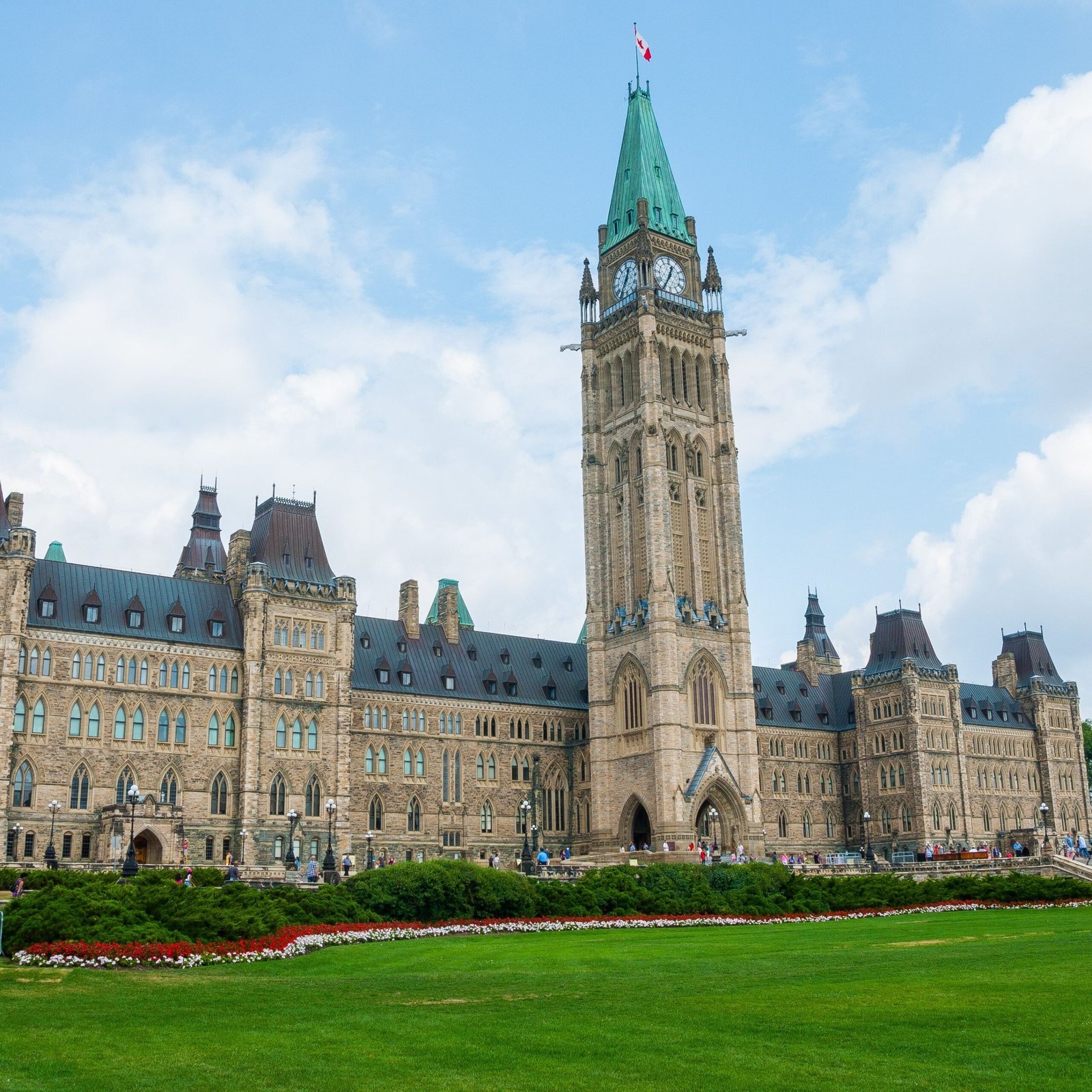





Famous Universities in Canada
Canada has universities and higher education institutions across different provinces and territories.
Examples of well-known universities include:
- University of Toronto
- University of British Columbia
- McGill University
- University of Alberta
- University of Waterloo
- McMaster University
- Western University
- Queen’s University
- University of Calgary
- University of Ottawa
- Simon Fraser University
- Dalhousie University
- University of Montreal
- University of Manitoba
- University of Saskatchewan
- York University
- Toronto Metropolitan University
- University of Victoria
- Memorial University of Newfoundland
- Concordia University
Admission requirements, tuition fees, language requirements and programme availability vary by institution.
Students should evaluate universities based on their academic profile, preferred course, budget, location and career objectives.
Study Options in Canada
Bachelor’s Programmes
Bachelor’s degree programmes generally take around three to four years, depending on the university, programme and province. Popular options include:
- Bachelor of Business Administration
- Bachelor of Commerce
- Bachelor of Computer Science
- Bachelor of Engineering
- Bachelor of Science
- Bachelor of Arts
- Bachelor of Nursing
- Bachelor of Information Technology
- Bachelor of Psychology
- Bachelor of Environmental Science
Master’s Programmes
Master’s programmes commonly take one to two years, depending on the programme and institution.
Popular options include:
- Master of Business Administration
- Master of Management
- Master of Computer Science
- Master of Data Science
- Master of Engineering
- Master of Information Technology
- Master of Public Health
- Master of Finance
- Master of Project Management
- Master of Education
- Master of Nursing
Doctoral Programmes
Canada offers doctoral programmes across many academic and research disciplines.
Doctoral applicants may need:
- Relevant Master’s degree
- Academic transcripts
- Research proposal
- Academic CV
- Recommendation letters
- Research experience
- Publications, where applicable
- Supervisor approval
Requirements vary by institution and research area.
College Diploma Programmes
Canadian colleges offer diploma and advanced diploma programmes in practical and career-oriented fields.
Popular areas include:
- Business
- Information Technology
- Engineering Technology
- Hospitality
- Healthcare
- Early Childhood Education
- Supply Chain Management
- Construction
- Design
- Social Services
Postgraduate Certificate Programmes
Postgraduate certificates can provide specialised education for students who already hold a degree or relevant qualification.
Popular areas include:
- Business Analytics
- Project Management
- Digital Marketing
- Data Analytics
- Supply Chain Management
- Human Resource Management
- Cybersecurity
- Healthcare Management
- International Business
- Information Technology
Students should carefully check whether a selected programme and institution are eligible for the Post-Graduation Work Permit before applying if post-study work eligibility is an important consideration.
Co-op and Internship Programmes
Some Canadian programmes include co-op terms, internships or other work-integrated learning opportunities.
These programmes allow students to gain practical experience related to their studies.
As of April 1, 2026, eligible post-secondary international students generally do not need a separate co-op work permit for student work placements such as co-op placements and internships.
Specific programme and work eligibility requirements still apply.
Popular Courses to Study in Canada
Business and Management
- Business Administration
- Commerce
- Finance
- Marketing
- International Business
- Business Analytics
- Project Management
- Human Resource Management
- Supply Chain Management
- Entrepreneurship
Engineering
- Civil Engineering
- Mechanical Engineering
- Electrical Engineering
- Electronics Engineering
- Chemical Engineering
- Industrial Engineering
- Environmental Engineering
- Computer Engineering
- Aerospace Engineering
- Mining Engineering
Computer Science and Information Technology
- Computer Science
- Information Technology
- Data Science
- Artificial Intelligence
- Cybersecurity
- Software Engineering
- Cloud Computing
- Information Systems
- Business Analytics
- Game Development
Healthcare and Life Sciences
- Nursing
- Public Health
- Biotechnology
- Biomedical Sciences
- Pharmacy
- Health Administration
- Nutrition
- Medical Laboratory Science
- Kinesiology
- Health Informatics
Students pursuing regulated healthcare professions should separately check Canadian professional registration and licensing requirements.
Education
- Early Childhood Education
- Elementary Education
- Secondary Education
- Educational Leadership
- Special Education
- Teaching and Learning
Social Sciences and Humanities
- Psychology
- Sociology
- Economics
- Political Science
- International Relations
- Social Work
- History
- Development Studies
- Communication
Hospitality and Tourism
- Hospitality Management
- Hotel Management
- Tourism Management
- Event Management
- Culinary Arts
- Travel Management
Arts and Design
- Graphic Design
- Fashion Design
- Interior Design
- Animation
- Film Studies
- Media and Communication
- Fine Arts
- Digital Design
Tuition Fees in Canada
Tuition fees vary significantly according to the institution, programme, province and level of study.
Statistics Canada’s 2025/26 data reported an average international undergraduate tuition fee of approximately CAD 41,746 per year across Canada, with substantial variation between provinces. For example, the reported average was approximately CAD 49,802 in Ontario and CAD 39,851 in British Columbia.
| Study Level | Indicative Annual Tuition |
|---|---|
| College / Diploma | CAD 15,000–30,000+ |
| Undergraduate Degree | CAD 25,000–50,000+ |
| Master’s Degree | CAD 20,000–50,000+ |
| Doctoral Programme | Varies by institution and funding |
| Postgraduate Certificate | CAD 15,000–30,000+ |
These figures are indicative only. Actual tuition varies by programme and institution.
Students should also budget for:
- Application fees
- Tuition fees
- Student fees
- Health insurance
- Accommodation
- Food
- Transport
- Books and study materials
- Personal expenses
- Visa and biometrics fees
- Travel expenses
Scholarships and Financial Support
Canadian institutions offer various scholarships and financial support opportunities for international students.
Possible options include:
- Entrance scholarships
- Merit-based scholarships
- University scholarships
- Faculty-specific awards
- Research scholarships
- Graduate assistantships
- Teaching assistantships
- External scholarships
- Government-funded opportunities
Eligibility may depend on:
- Academic performance
- Course
- Study level
- Institution
- Nationality
- Research area
- Application deadline
Students should check each university’s scholarship criteria and deadlines before applying.
Accommodation in Canada
International students can choose from several accommodation options.
On-Campus Accommodation
Many universities and colleges provide student residences.
Advantages may include:
- Proximity to classrooms
- Access to campus facilities
- Student community
- Security
- Easier participation in campus activities
Purpose-Built Student Accommodation
Purpose-built residences may offer:
- Furnished rooms
- Shared kitchens
- Study spaces
- Laundry facilities
- Common areas
- Fitness facilities
Shared Apartments
Students may share accommodation with other students or working professionals.
Private Rental
Students can also rent private apartments depending on their budget and preferred location.
Homestay
Students may choose to live with a Canadian family or approved household. Accommodation costs vary significantly between cities.
Living Costs in Canada
Living costs depend on the province, city, accommodation and lifestyle.
Students should budget for:
- Rent
- Food and groceries
- Utilities
- Internet and mobile services
- Transport
- Health insurance
- Books and study materials
- Clothing
- Personal expenses
- Emergency funds
For study permit applications made on or after 1 September 2026, the Government of Canada requires a single student outside Quebec to demonstrate CAD 23,448 for one year’s living expenses, excluding tuition and transportation. Different amounts apply for accompanying family members.
This is a visa financial requirement, not necessarily the actual amount every student will spend.
Local Transport
Canada has extensive public transport systems in many major cities. Students may use:
- Buses
- Trains
- Subways
- Light rail
- Streetcars
- Ferries
- Cycling
- Walking
- Ride-sharing services
Some universities provide campus shuttle services.
Students may also receive discounted public transport fares depending on the city and student status.
Food Options for Indian Students
Canada has a diverse food culture, and Indian food is widely available in many major cities.
Vegetarian Options
Students can find:
- Vegetarian sandwiches
- Salads
- Pasta
- Pizza
- Rice dishes
- Vegetable bowls
- Vegetarian burgers
- Asian cuisine
- Indian vegetarian meals
Indian Food
Indian restaurants, grocery stores and South Asian communities are present across many Canadian cities.
Students can purchase:
- Rice
- Dal
- Spices
- Flour
- Ready-to-cook products
- Fresh vegetables
- Indian snacks
Students living in shared or private accommodation can also prepare their own meals.
Admission Requirements
Admission requirements depend on the institution, programme and study level.
Undergraduate Admission
Common requirements may include:
- Class 12 certificates
- Academic transcripts
- Valid passport
- English or French language test
- Statement of purpose, where required
- Portfolio, for selected programmes
- Course-specific prerequisites
- Proof of financial support
Postgraduate Admission
Common requirements may include:
- Bachelor’s degree
- Academic transcripts
- English or French language test
- Statement of purpose
- Updated CV or resume
- Letters of recommendation
- Relevant work experience, where required
- GMAT/GRE, where applicable
- Portfolio, where applicable
Doctoral Admission
Applicants may need:
- Relevant Master’s degree
- Academic transcripts
- Research proposal
- Academic CV
- Recommendation letters
- Research experience
- Publications, where applicable
- Supervisor approval
Requirements vary by institution and programme.
How the Canadian University Admission Process Works
Step 1: Profile Assessment
Review your academic qualifications, language ability, career goals and preferred study level.
Step 2: Course Selection
Identify suitable programmes according to:
- Academic background
- Career goals
- Course content
- Tuition fees
- Location
- Entry requirements
- Post-study options
Step 3: University Shortlisting
Shortlist universities or colleges based on your academic and financial preferences.
Step 4: Language Preparation
Prepare for IELTS, TOEFL, PTE Academic, CAEL or another accepted language test, if required.
Step 5: Document Preparation
Prepare academic certificates, transcripts, passport, language scores, statement of purpose and other required documents.
Step 6: Submit Applications
Submit applications through the institution’s application portal or another approved application channel.
Step 7: Receive Admission Decision
The institution may issue:
- Offer letter
- Conditional offer
- Admission letter
- Request for additional documents
Step 8: Accept the Offer
Accept the offer and complete the required payment or enrolment procedures.
Step 9: Obtain Required Provincial Documentation
If applicable, obtain the required Provincial Attestation Letter (PAL) or Territorial Attestation Letter (TAL).
For 2026, students enrolling in eligible degree-granting Master’s or doctoral programmes at public designated learning institutions are exempt from the PAL/TAL requirement. Quebec has separate requirements.
Step 10: Prepare the Study Permit Application
Prepare financial documents, admission documents, PAL/TAL where required and other supporting documents.
Documents Required
Students may need:
- Valid passport
- Academic certificates
- Academic transcripts
- English or French language test results
- Statement of purpose or letter of explanation
- Updated CV
- Letters of recommendation
- Offer letter
- Letter of Acceptance
- PAL/TAL, where required
- CAQ, where applicable for Quebec
- Proof of financial support
- Bank statements
- Education loan documents
- Scholarship documents
- Medical examination documents, if required
- Police certificate, if required
- Study permit application documents
- Biometrics
The exact document list depends on the student’s circumstances and the requirements shown in their IRCC application checklist.
Canada Student Visa
Study Permit
International students generally need a Canadian study permit to study at a designated learning institution (DLI).
A study permit is the document issued by the Canadian government that authorises a foreign national to study in Canada. Most foreign nationals need one for studies in Canada.
Students should ensure that their selected institution is a Designated Learning Institution (DLI) before applying.
Provincial Attestation Letter / Territorial Attestation Letter
Many study permit applicants must provide a Provincial Attestation Letter (PAL) or Territorial Attestation Letter (TAL) from the province or territory where they plan to study.
However, there are exemptions. From 1 January 2026, students enrolling in eligible degree-granting Master’s or doctoral programmes at public DLIs do not need a PAL/TAL. Quebec has its own provincial requirements, including the Quebec Acceptance Certificate (CAQ) where applicable.
Students should confirm the current requirements for their institution and programme before applying.
Canada Student Permit Requirements
Applicants generally need to demonstrate that they:
- Have been accepted by a designated learning institution
- Have sufficient funds
- Can pay tuition and living expenses
- Can pay return transportation
- Will obey Canadian laws
- Meet health and character requirements where applicable
- Will leave Canada when their study permit expires, unless they obtain another legal status
These are among the requirements outlined by Immigration, Refugees and Citizenship Canada.
Financial Requirements for Canada Study Permit
Students need to demonstrate sufficient funds for:
- Tuition fees
- Living expenses
- Return transportation
- Eligible accompanying family members
For applications submitted on or after 1 September 2026, a single student outside Quebec must demonstrate CAD 23,448 for living expenses for one year, excluding tuition and transportation.
Financial evidence may include:
- Bank statements
- Guaranteed Investment Certificate, where applicable
- Education loan
- Scholarship
- Proof of income
- Financial support from parents or sponsors
- Other accepted financial documents
The source and availability of funds may also be assessed.
Canada Student Permit Application Process
Step 1: Receive Admission
Obtain a Letter of Acceptance from a Designated Learning Institution.
Step 2: Confirm PAL/TAL Requirement
Determine whether you need a Provincial or Territorial Attestation Letter.
Step 3: Arrange Financial Documents
Prepare evidence demonstrating sufficient funds for tuition, living costs and travel.
Step 4: Prepare Supporting Documents
Prepare your passport, academic documents, language test results and other required documentation.
Step 5: Create an IRCC Account
Create or access the appropriate online account to submit the application.
Step 6: Complete the Study Permit Application
Complete the online application and upload the required documents.
Step 7: Pay the Fees
The current study permit application fee is CAD 150. A biometrics fee of CAD 85 may also apply to an individual applicant.
Step 8: Complete Biometrics
If required, provide fingerprints and a photograph at an authorised biometrics collection location.
Step 9: Complete Medical or Additional Requirements
Depending on your circumstances, IRCC may request a medical examination, police certificate or additional documents.
Step 10: Receive the Decision
IRCC will assess the application and communicate the decision.
Processing times vary by country and application type.
Student Direct Stream
The Student Direct Stream (SDS) is no longer available.
Canada ended the SDS on 8 November 2024. New applications are processed through the regular study permit process.
Students should therefore follow the current regular study permit requirements rather than relying on older SDS information.
Work Opportunities During Study
Eligible international students may be able to work while studying in Canada.
Off-Campus Work
Eligible students can generally work up to 24 hours per week during regular academic sessions.
During scheduled breaks, eligible students may work unlimited hours, subject to the applicable rules.
Students must meet the relevant eligibility requirements and follow the conditions of their study permit.
On-Campus Work
Eligible international students may also be able to work on campus without a separate work permit, subject to the applicable conditions.
There is generally no hourly limit for eligible on-campus work during regular academic terms or scheduled breaks.
Co-op and Internship
Students participating in eligible co-op or internship placements may have specific work authorisation requirements. From April 2026, eligible post-secondary international students generally no longer need a separate co-op work permit for student work placements.
Post-Study Work Opportunities
Post-Graduation Work Permit
The Post-Graduation Work Permit (PGWP) allows eligible graduates to gain work experience in Canada after completing an eligible programme.
PGWP eligibility is not automatic for every Canadian programme.
Students should check the PGWP eligibility of their selected institution and programme before enrolling.
PGWP Eligibility
Current PGWP rules include programme-specific requirements.
For Bachelor’s, Master’s and doctoral graduates, applicants must meet the applicable language requirement and other PGWP conditions. Current IRCC guidance specifies a minimum CLB 7 in English or NCLC 7 in French in all four language abilities for these degree graduates. There is no field-of-study requirement for Bachelor’s, Master’s or doctoral graduates.
For certain non-degree programmes, additional field-of-study requirements may apply depending on when the study permit application was submitted.
Students should verify the latest PGWP rules before selecting a programme.
PGWP Duration
The length of a PGWP depends on factors such as the length and level of the completed programme and the applicable immigration rules.
Eligible graduates may receive a work permit for a period that can extend beyond the length of their study programme, subject to current IRCC rules.
Students should check their individual eligibility rather than assuming that every programme provides the same post-study work period.
Permanent Residence in Canada
Studying in Canada does not automatically lead to permanent residence.
Eligible graduates may later explore Canadian immigration pathways based on factors such as:
- Canadian work experience
- Skilled occupation
- Language proficiency
- Education
- Provincial or territorial nomination
- Express Entry eligibility
- Employer support
- Other applicable immigration categories
Eligibility requirements can change as Canadian immigration policies evolve.
Students interested in permanent residence should treat it as a separate immigration process and review the current requirements before making long-term plans.
Canada Study Abroad Intakes
Canadian universities and colleges generally offer several intakes.
Fall Intake
The Fall intake generally begins in September and is one of the major admission periods.
A wide range of programmes may be available during this intake.
Application Period
Students should ideally begin preparing applications several months before the deadline.
Winter Intake
The Winter intake generally begins in January.
Some universities and colleges offer a broad range of programmes during this intake, while availability varies by institution.
Application Period
Applications are generally submitted several months before the start of the semester.
Spring / Summer Intake
Some Canadian institutions offer selected programmes beginning in May, June or other months.
The availability of courses is more limited compared with major September and January intakes.
Rolling or Multiple Intakes
Some colleges and institutions may offer multiple intakes throughout the year.
Students should check individual programme deadlines rather than assuming that every course is available in every intake.
Recommended Application Timeline
12–18 Months Before Departure
- Decide your preferred study level
- Research courses
- Research universities and colleges
- Check academic eligibility
- Review tuition and living costs
- Check PGWP eligibility where relevant
9–12 Months Before Departure
- Prepare for English or French language tests
- Shortlist institutions
- Prepare academic documents
- Research scholarships
- Review admission deadlines
6–9 Months Before Departure
- Submit applications
- Track admission decisions
- Arrange financial planning
- Check PAL/TAL requirements
- Review accommodation options
3–6 Months Before Departure
- Accept the offer
- Arrange required deposits
- Obtain PAL/TAL where required
- Prepare financial documents
- Submit study permit application
- Complete biometrics if required
Before Departure
- Finalise accommodation
- Arrange travel
- Prepare important documents
- Arrange funds
- Attend pre-departure counselling
- Prepare for arrival in Canada
Why Choose Metier International Academy?
At Metier International Academy, students receive guidance at different stages of their Canada study abroad journey.
Our support may include:
- Academic profile assessment
- Course selection
- University and college shortlisting
- Eligibility evaluation
- Application guidance
- Document preparation
- Statement of purpose guidance
- Scholarship information
- Financial planning support
- Admission application assistance
- Study permit guidance
- Pre-departure counselling
Our objective is to help students understand their options and prepare for their international education journey.
Your Canada Study Abroad Journey
Step 1: Counselling
Discuss your academic background, career goals, preferred course and budget.
Step 2: Profile Evaluation
Review your qualifications and identify suitable study options.
Step 3: Course & Institution Shortlisting
Shortlist universities and colleges based on your academic profile, preferred location, budget and career objectives.
Step 4: Application Preparation
Prepare academic documents, language scores, statements and other application materials.
Step 5: University/College Application
Submit applications according to the requirements and deadlines of each institution.
Step 6: Admission Support
Review admission decisions and complete the enrolment process.
Step 7: Study Permit Preparation
Arrange PAL/TAL where required, financial documentation and other study permit requirements.
Step 8: Pre-Departure Support
Receive guidance on accommodation, travel, finances and settling into life in Canada.
Metier Brochure
Download the brochure of the Canada Study Abroad pathway using the button below.
Download Brochure
Get Your Canada Study Abroad Counselling
Planning to study in Canada?
Speak with our counsellors to understand your course options, university or college requirements, admission process and study permit pathway.
Book Your Free Counselling Session Today
Disclaimer: Admission decisions, scholarship availability, tuition fees, study permit approvals, work authorisation and immigration outcomes are determined by the relevant institutions and Canadian government authorities. Information provided on this page is for general guidance and may change according to current policies, institutional requirements and immigration regulations.
FAQs
Canada offers internationally recognised education, multicultural communities, practical learning opportunities and a wide range of programmes across universities and colleges.
Popular areas include business, engineering, computer science, information technology, data science, healthcare, nursing, management, education and hospitality.
The major intakes are generally September and January. Some institutions also offer May, June or other intakes.
Students should ideally begin preparation 12–18 months before
A Designated Learning Institution, or DLI, is an educational institution approved by a provincial or territorial government to host international students.
Students generally need to be accepted by a DLI when applying for a Canadian study permit.
intended intake.
A Designated Learning Institution, or DLI, is an educational institution approved by a provincial or territorial government to host international students.
Students generally need to be accepted by a DLI when applying for a Canadian study permit.
A study permit is the document that authorises eligible international students to study at a designated learning institution in Canada.
A Provincial Attestation Letter or Territorial Attestation Letter is a document required for many study permit applicants as part of Canada’s international student system.
There are exemptions, including eligible Master’s and doctoral students at public DLIs from 1 January 2026.
Eligible students enrolling in degree-granting Master’s programmes at public DLIs generally do not need a PAL/TAL from 1 January 2026. Quebec has separate requirements.
Many Canadian institutions require proof of English language proficiency. Accepted tests and minimum scores vary by institution and programme.
Some institutions may accept alternatives such as TOEFL, PTE Academic, CAEL, Duolingo English Test or other approved evidence. Requirements vary by institution.
Many Canadian institutions accept PTE Academic, but students should confirm acceptance and the required score with their selected institution.
Costs depend on the institution, programme, province and lifestyle. Students should budget for tuition, accommodation, food, transport, insurance, study materials and personal expenses.
For study permit applications made on or after 1 September 2026, a single student outside Quebec must demonstrate CAD 23,448 for one year’s living expenses, excluding tuition and transportation.